


Hey there! As a supplier of Oxygen Absorber Food, I've been getting a lot of questions lately about whether oxygen absorbers are used in commercial food production. Well, let me tell you, they absolutely are, and for some really good reasons.
First off, let's talk about why oxygen is such a big deal in the food industry. Oxygen is like the arch - enemy of food freshness. When food is exposed to oxygen, a bunch of bad things can happen. Oxidation is one of the main culprits. It can cause fats and oils in food to go rancid, which not only changes the taste and smell of the food but also reduces its nutritional value. Think about that bag of chips you left open for a few days. The once - crispy, delicious chips start to taste stale and yucky. That's oxidation at work.
Another problem is that oxygen provides a friendly environment for the growth of aerobic microorganisms, like mold and bacteria. These little guys can spoil the food and even pose a health risk if consumed. So, in commercial food production, keeping oxygen levels low is crucial for maintaining the quality and safety of the products.
This is where oxygen absorbers come in. Oxygen absorbers are little packets that contain substances that react with oxygen, effectively removing it from the packaging. They're made up of materials like iron powder, which rusts when it comes into contact with oxygen. As the iron rusts, it consumes the oxygen inside the package, creating a low - oxygen environment.
Now, let's look at some of the types of commercial foods that commonly use oxygen absorbers.
1. Snack Foods
Snack foods like nuts, dried fruits, and chips are prime candidates for oxygen absorbers. These products are often high in fats and oils, which are very susceptible to oxidation. For example, nuts are a great source of healthy fats, but those fats can turn bad quickly when exposed to oxygen. By including an Oxygene Absorber Food Packet in the packaging, manufacturers can extend the shelf life of these snacks and keep them tasting fresh for longer.
2. Baked Goods
Baked goods such as bread, cakes, and cookies also benefit from oxygen absorbers. These items can go stale and moldy pretty fast, especially in a moist environment. Oxygen absorbers help to prevent the growth of mold and keep the baked goods soft and fresh. Even in pre - packaged sandwiches, oxygen absorbers can be used to maintain the quality of the bread and the fillings.
3. Dry Foods
Dry foods like rice, pasta, and powdered milk are also protected by oxygen absorbers. While these products may not seem as prone to spoilage as others, they can still be affected by oxidation over time. Oxygen can cause changes in the flavor and texture of dry foods, and it can also lead to the growth of bacteria if the conditions are right. Oxygen absorbers help to preserve the integrity of these products and ensure that they remain safe to eat.
4. Coffee
Coffee is another product that is sensitive to oxygen. Once coffee beans are roasted, they start to release carbon dioxide and absorb oxygen. This can lead to a loss of flavor and aroma. Oxygen absorbers are often used in coffee packaging to maintain the freshness of the beans and keep the coffee tasting its best.
The use of oxygen absorbers in commercial food production is regulated by food safety authorities. These authorities set standards for the materials used in oxygen absorbers to ensure that they are safe for use in food packaging. The oxygen absorbers must be non - toxic and not release any harmful substances into the food.
When it comes to choosing the right oxygen absorber for a particular food product, several factors need to be considered. The size of the package is an important factor. Larger packages will require a more powerful oxygen absorber to effectively remove the oxygen. For example, a large bag of nuts may need a 100cc Oxygen Absorbers, while a smaller packet of chips may only need a smaller absorber.
The type of food also matters. Foods with high moisture content may require a different type of oxygen absorber than dry foods. Some oxygen absorbers are designed to work better in moist environments, while others are more suitable for dry products.
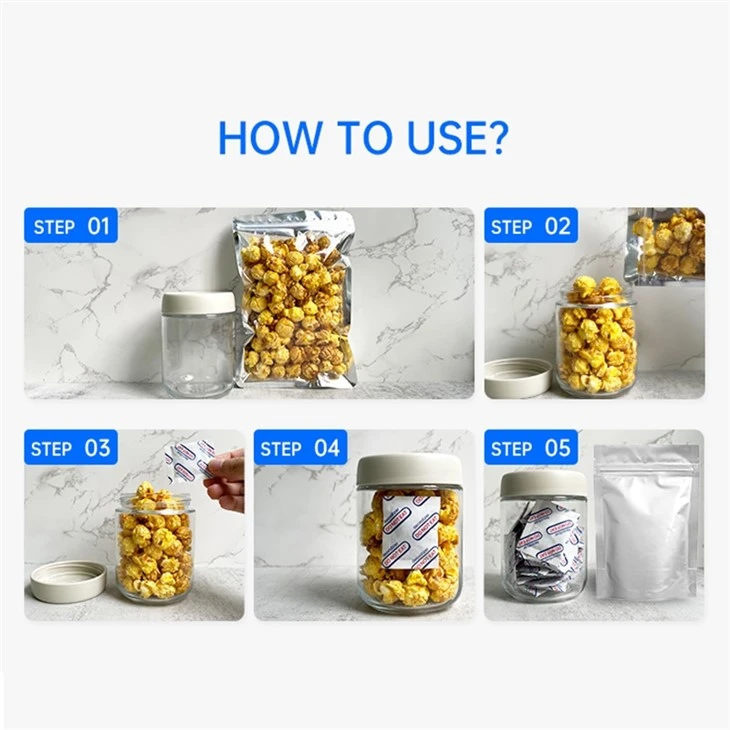

As a supplier of oxygen absorbers, I've seen firsthand the benefits that these little packets bring to the commercial food industry. They help food manufacturers reduce waste, improve the quality of their products, and meet the demands of consumers who expect fresh - tasting food.
If you're a food manufacturer or someone involved in the food industry and you're looking for a reliable oxygen absorber supplier, I'd love to have a chat with you. We offer a wide range of oxygen absorbers that are tailored to different food products and packaging requirements. Whether you need small - scale solutions for artisanal food products or large - scale supplies for mass - produced items, we've got you covered.
Don't hesitate to reach out and start a conversation about how our oxygen absorbers can help you improve your food production process and keep your products fresh. I'm always happy to answer any questions you might have and provide more information about our products.
References
- Food and Agriculture Organization of the United Nations. (2023). Guidelines for the Safe Use of Packaging Materials in Food.
- American Chemical Society. (2022). Oxidation in Food: Causes and Prevention.
- International Association for Food Protection. (2021). Best Practices for Maintaining Food Quality and Safety in Packaging.


