


As a supplier of container desiccants, I often receive inquiries from customers about the compatibility of our products with different types of containers. One common question is whether container desiccant can be used in rubber containers. In this blog post, I will explore this topic in detail, providing scientific insights and practical considerations to help you make an informed decision.
Understanding Container Desiccants
Container desiccants are substances designed to absorb moisture from the air within a closed environment, such as a shipping container. They play a crucial role in preventing the formation of condensation, which can lead to a range of problems, including mold growth, corrosion, and damage to the goods being transported.
The most common type of container desiccant is calcium chloride, which is highly effective at absorbing moisture due to its hygroscopic nature. Calcium chloride desiccants can absorb up to three times their weight in water, making them an ideal choice for long - term storage and transportation in humid conditions.
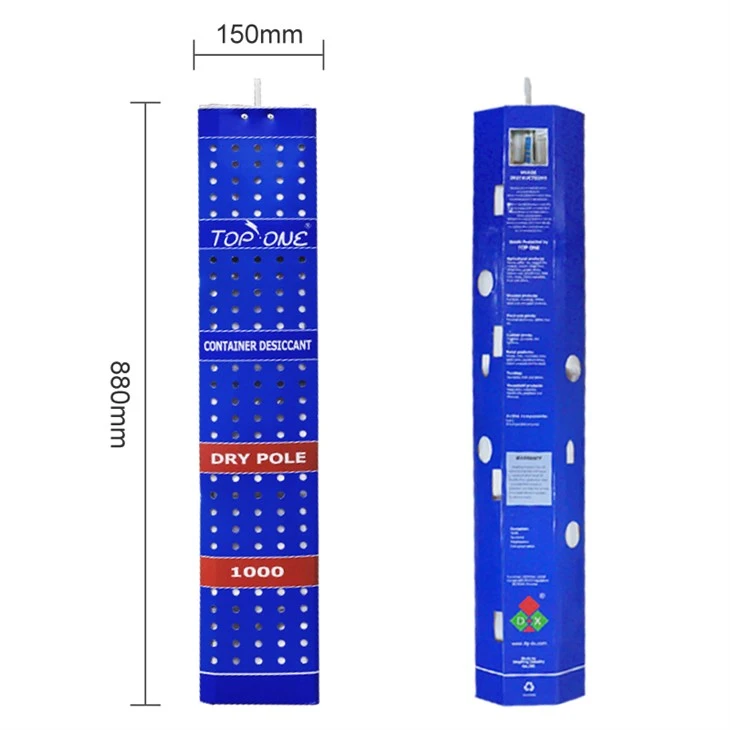
There are various products available in the market, such as the Container Desiccant Dehumidifier, 250g Calcium Chloride Desiccant, and Calcium Chloride Dehumidifier, each tailored to different needs and container sizes.

Rubber Containers: Characteristics and Considerations
Rubber is a versatile material commonly used in the manufacturing of containers due to its flexibility, durability, and resistance to water. However, rubber also has some unique characteristics that need to be considered when using desiccants.
One of the main concerns is the potential interaction between the desiccant and the rubber material. Some desiccants may contain chemicals that could react with the rubber, causing it to degrade over time. For example, certain types of desiccants may release acidic or alkaline substances during the moisture - absorption process, which could affect the integrity of the rubber.
Another consideration is the permeability of rubber to moisture. While rubber is generally water - resistant, it is not completely impermeable. Over time, moisture can still penetrate the rubber and accumulate inside the container, leading to the same problems associated with condensation in other types of containers.
Compatibility of Container Desiccants with Rubber Containers
In general, calcium chloride desiccants are compatible with rubber containers. Calcium chloride is a relatively stable compound that does not typically react with rubber under normal conditions. It is also non - corrosive to most materials, including rubber.
However, it is important to ensure that the desiccant is properly contained within a suitable packaging. The packaging should prevent direct contact between the desiccant and the rubber, as well as any potential leakage of the absorbed moisture. Most high - quality calcium chloride desiccants come in sealed sachets or bags that are designed to be safe for use in various environments, including rubber containers.
When using desiccants in rubber containers, it is also essential to consider the size and capacity of the container. The amount of desiccant required will depend on the volume of the container, the level of humidity in the storage or transportation environment, and the duration of the storage period. As a general rule of thumb, it is recommended to use one 250g Calcium Chloride Desiccant for every 1 - 2 cubic meters of container space.
Benefits of Using Container Desiccants in Rubber Containers
Using container desiccants in rubber containers offers several benefits. Firstly, it helps to maintain a dry environment inside the container, which is essential for protecting the goods from moisture - related damage. This is particularly important for products that are sensitive to humidity, such as electronics, textiles, and food items.
Secondly, desiccants can extend the lifespan of the rubber container itself. By reducing the amount of moisture inside the container, the risk of mold growth and corrosion is minimized, which can help to prevent the deterioration of the rubber material over time.
Finally, using desiccants can improve the overall quality and reliability of the shipping and storage process. It provides an additional layer of protection against the unpredictable nature of humidity, ensuring that the goods arrive at their destination in the same condition as when they were packed.
Practical Tips for Using Container Desiccants in Rubber Containers
- Choose the right desiccant: Select a high - quality calcium chloride desiccant that is suitable for the size and requirements of your rubber container. Consider factors such as the moisture - absorption capacity, the duration of effectiveness, and the packaging.
- Proper placement: Place the desiccant sachets or bags in strategic locations inside the container. Areas where moisture is likely to accumulate, such as the corners or near the bottom of the container, are ideal spots.
- Monitor the desiccant: Regularly check the desiccant to see if it needs to be replaced. Most calcium chloride desiccants will change color or texture as they absorb moisture, which can be an indicator of their effectiveness.
- Seal the container properly: Ensure that the rubber container is tightly sealed to prevent the entry of external moisture. This will enhance the effectiveness of the desiccant and reduce the overall humidity inside the container.
Conclusion
In conclusion, container desiccants can be safely and effectively used in rubber containers. Calcium chloride desiccants, in particular, offer a reliable solution for controlling moisture and preventing condensation in these types of containers. By following the proper guidelines and taking the necessary precautions, you can protect your goods from moisture - related damage and extend the lifespan of your rubber containers.
If you are interested in purchasing container desiccants for your rubber containers or have any further questions about their compatibility and usage, please feel free to contact us. We are a leading supplier of high - quality container desiccants and can provide you with the best solutions tailored to your specific needs.
References
- Handbook of Desiccants and Humidity Control, Third Edition, by Peter D. Golding
- Rubber Technology: Compounding, Testing, and Applications, by John W. S. Hearle


