


As a supplier of Absorbent Oxygens Pack, I often get asked about the materials used in the containers of these packs. Understanding the container material is crucial as it directly impacts the performance and safety of the oxygen absorbers. In this blog, I'll delve into the details of what makes up the container of an Absorbent Oxygens Pack.
The Importance of Container Material
The container of an Absorbent Oxygens Pack serves multiple purposes. Firstly, it needs to hold the oxygen - absorbing material securely. The oxygen absorber inside is usually a chemical compound that reacts with oxygen to remove it from the surrounding environment. The container must prevent the absorber from spilling or leaking, which could be hazardous and render the product ineffective.
Secondly, the container should allow oxygen to pass through while keeping other substances out. It needs to be permeable to oxygen but impermeable to moisture, water, and other contaminants that could interfere with the oxygen - absorbing reaction. This balance is essential for the proper functioning of the oxygen absorber.
Common Materials for Absorbent Oxygens Pack Containers
Non - woven Fabric
One of the most commonly used materials for the containers of Absorbent Oxygens Pack is non - woven fabric. Non - woven fabric is made by bonding or interlocking fibers together rather than weaving them. This type of fabric has several advantages for oxygen absorber containers.
It is highly porous, which allows oxygen to easily penetrate the fabric and reach the oxygen - absorbing material inside. At the same time, it can prevent the powder or granules of the oxygen absorber from leaking out. Non - woven fabric is also relatively inexpensive, which helps to keep the cost of the Absorbent Oxygens Pack down.
For example, in our 100cc Oxygen Absorbers, we use high - quality non - woven fabric. The fabric is carefully selected to ensure that it has the right level of porosity and strength. This ensures that the oxygen absorber can work efficiently and that the product remains intact during storage and handling.
Tyvek
Tyvek is another material that is sometimes used for Absorbent Oxygens Pack containers. Tyvek is a brand of flash - spun high - density polyethylene fibers. It is known for its excellent strength, durability, and breathability.
Tyvek has a unique structure that allows oxygen to pass through while providing a high level of protection against moisture and contaminants. It is also resistant to tearing and puncturing, which makes it suitable for applications where the oxygen absorber may be subject to rough handling.
However, Tyvek is more expensive than non - woven fabric. So, it is typically used in applications where the highest level of performance and protection is required, such as in the packaging of sensitive electronic components or high - value food products. Our Oxygen Absorber Packets for Food sometimes use Tyvek containers to ensure the safety and quality of the food.
Material Selection Criteria
When selecting the material for the container of an Absorbent Oxygens Pack, several factors need to be considered.
Oxygen Permeability
As mentioned earlier, the container material must allow oxygen to pass through at an appropriate rate. If the oxygen permeability is too low, the oxygen absorber will not be able to remove oxygen effectively. On the other hand, if the permeability is too high, the absorber may react too quickly and exhaust its capacity prematurely.
Moisture Resistance
Moisture can have a significant impact on the performance of the oxygen absorber. If moisture enters the container, it can cause the oxygen - absorbing material to clump together or react with other substances, reducing its effectiveness. Therefore, the container material should have good moisture resistance.
Chemical Compatibility
The container material must be chemically compatible with the oxygen - absorbing material inside. Some oxygen absorbers contain chemicals that can react with certain materials, causing degradation or other problems. The selected material should not react with the absorber and should maintain its integrity over time.
Cost
Cost is always an important consideration in any manufacturing process. The material selected for the container should provide the necessary performance at a reasonable cost. This is why non - woven fabric is so popular, as it offers a good balance between performance and cost.
Quality Control in Material Selection
At our company, we take quality control very seriously when it comes to selecting the materials for our Absorbent Oxygens Pack. We work closely with our material suppliers to ensure that the materials meet our strict standards.
We conduct regular tests on the materials to check their oxygen permeability, moisture resistance, and chemical compatibility. We also perform durability tests to ensure that the containers can withstand the rigors of storage, transportation, and handling.

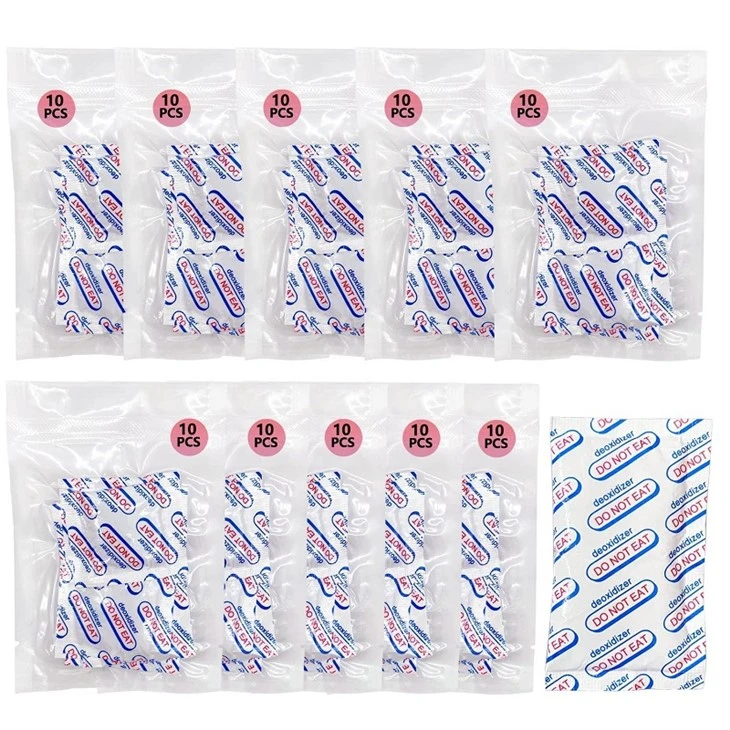
Before a new batch of Absorbent Oxygens Pack is released to the market, it undergoes a series of final inspections. These inspections include visual checks for any signs of damage or leakage, as well as performance tests to ensure that the oxygen absorber is working as expected.
Impact of Container Material on the Environment
In addition to performance and cost, we also consider the environmental impact of the container material. Non - woven fabric and Tyvek are both relatively environmentally friendly materials.
Non - woven fabric can be made from recycled materials, and it is often biodegradable or recyclable. Tyvek, although not biodegradable, can be recycled in some recycling programs. We are constantly exploring ways to reduce the environmental impact of our products, such as by using more sustainable materials and improving our packaging processes.
Conclusion
The material of the container of an Absorbent Oxygens Pack plays a crucial role in the performance, safety, and cost - effectiveness of the product. Non - woven fabric and Tyvek are two of the most commonly used materials, each with its own advantages and applications.
When selecting the container material, factors such as oxygen permeability, moisture resistance, chemical compatibility, and cost need to be carefully considered. At our company, we are committed to providing high - quality Absorbent Oxygens Pack by using the best materials and implementing strict quality control measures.
If you are interested in purchasing our Absorbent Oxygens Pack or have any questions about our products, please feel free to contact us for further discussion. We are always ready to assist you in finding the right oxygen absorber solution for your needs.
References
- "Oxygen Absorber Technology and Applications" - A technical report on oxygen absorber materials and container design.
- Manufacturer's specifications for non - woven fabric and Tyvek materials.
- Industry standards for oxygen absorber packaging.


