


Hey there! As a supplier of 1kg silica gel bags, I often get asked about the storage temperature range for these little moisture - fighters. So, let's dive right into it and find out if 1kg silica gel bags have a specific storage temperature range.
First off, let's understand what silica gel is. Silica gel is a porous form of silicon dioxide. It's great at adsorbing moisture, which is why it's commonly used in various industries to keep things dry. You can find it in all sorts of products, from the small packets in your new shoes to our larger 1kg bags that are used for industrial or large - scale storage.

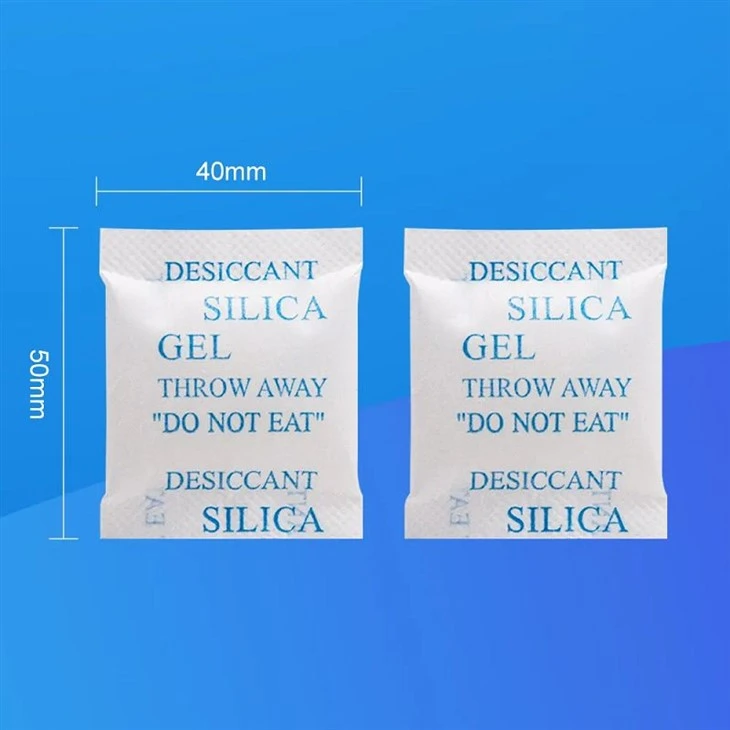
Now, back to the question of storage temperature. Silica gel is a pretty tough and stable substance. Generally speaking, it can be stored within a relatively wide temperature range. Most silica gel products, including our 1kg bags, can be stored at temperatures between - 40°F (- 40°C) and 212°F (100°C).
Why such a wide range? Well, at the lower end of the spectrum, silica gel doesn't freeze. It remains a solid and retains its moisture - adsorbing properties. Even in extremely cold conditions, like in a freezer or a cold storage facility, it'll still work just fine once it warms up a bit. This makes it suitable for use in cold environments where moisture can still be a problem, such as in some industrial freezers or cold shipping containers.
On the other hand, up to 212°F (100°C), silica gel doesn't break down or lose its effectiveness. It starts to release the moisture it has adsorbed as the temperature rises, which is actually a useful property. In fact, this is how we regenerate silica gel. When you heat silica gel to a certain temperature, usually around 120 - 150°C (248 - 302°F), the water molecules that have been adsorbed are driven off, and the silica gel can be reused.
However, there are some things to keep in mind. If you store silica gel at very high temperatures for an extended period, say close to its upper limit of 212°F (100°C), it might start to lose some of its pore structure over time. This could potentially reduce its moisture - adsorbing capacity. So, while it can handle high temperatures, it's best to avoid long - term exposure to extreme heat.
Also, rapid temperature changes can be a bit of an issue. If you move silica gel from a very cold environment to a very hot one suddenly, it might cause some stress on the gel particles. This could lead to some cracking or breaking of the particles, which might not look great and could potentially affect its performance. So, it's a good idea to let it adjust gradually to different temperatures if possible.
Now, let's talk about how the storage temperature affects the performance of silica gel. At lower temperatures, the adsorption rate of silica gel slows down. This means it takes longer for it to adsorb moisture. But it doesn't mean it stops working. It's still adsorbing moisture, just at a slower pace. So, if you're using it in a cold storage area, you might need to use a bit more or give it more time to do its job.
At higher temperatures, as I mentioned earlier, silica gel starts to release the moisture it has adsorbed. This can be useful in some cases. For example, if you're using silica gel in a closed container and you want to control the humidity level, you can heat the container slightly to release some of the moisture and increase the humidity.
If you're interested in learning more about silica gel products, you can check out these links: Moisture Absorbing Silica Gel Packets, Silica Gel Desiccant Color Change, and 10g Silica Packets For Clothing Storage. These pages provide more detailed information about different types of silica gel products and their applications.
In summary, 1kg silica gel bags do have a specific storage temperature range, which is between - 40°F (- 40°C) and 212°F (100°C). They can handle a wide range of temperatures, but it's important to be aware of the potential effects of extreme temperatures and rapid temperature changes. Whether you're using them in a cold storage facility, an industrial setting, or for other purposes, understanding the storage temperature requirements will help you get the most out of your silica gel.
If you're in the market for high - quality 1kg silica gel bags or have any questions about our products, don't hesitate to reach out. We're here to help you find the right solution for your moisture - control needs. Just drop us a message, and we'll start the conversation about how we can work together.
References
- Handbook of Desiccants and Adsorbents
- Industrial Applications of Silica Gel Research Papers


