


Hey there! As a supplier of oxygen absorber foods, I often get asked about what types of food are suitable for oxygen absorbers. So, I thought I'd write this blog to share some insights and help you understand how to use oxygen absorbers to keep your food fresh.
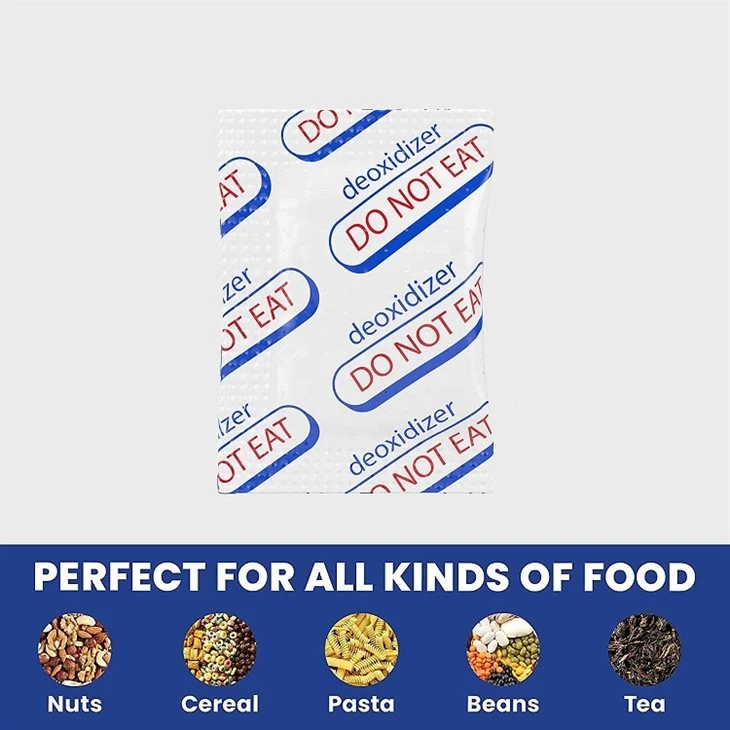
First things first, let's talk about how oxygen absorbers work. Oxygen absorbers are small packets that contain iron powder or other substances that react with oxygen to remove it from the air inside a sealed container. By reducing the oxygen levels, oxygen absorbers can slow down the oxidation process, which is one of the main causes of food spoilage. This can help to extend the shelf life of your food, maintain its flavor and nutritional value, and prevent the growth of mold and bacteria.
Now, let's get to the main question: what types of food are suitable for oxygen absorbers? Well, the answer depends on a few factors, such as the type of food, its moisture content, and the storage conditions. Here are some general guidelines to help you choose the right oxygen absorbers for your food:
Dry Foods
Dry foods are the most suitable for oxygen absorbers because they have a low moisture content, which makes them less prone to spoilage. Some examples of dry foods that can benefit from oxygen absorbers include:
- Grains and Cereals: Wheat, rice, oats, cornmeal, and other grains can be stored for longer periods of time with the help of oxygen absorbers. This can help to prevent the growth of insects and mold, and keep the grains fresh and flavorful.
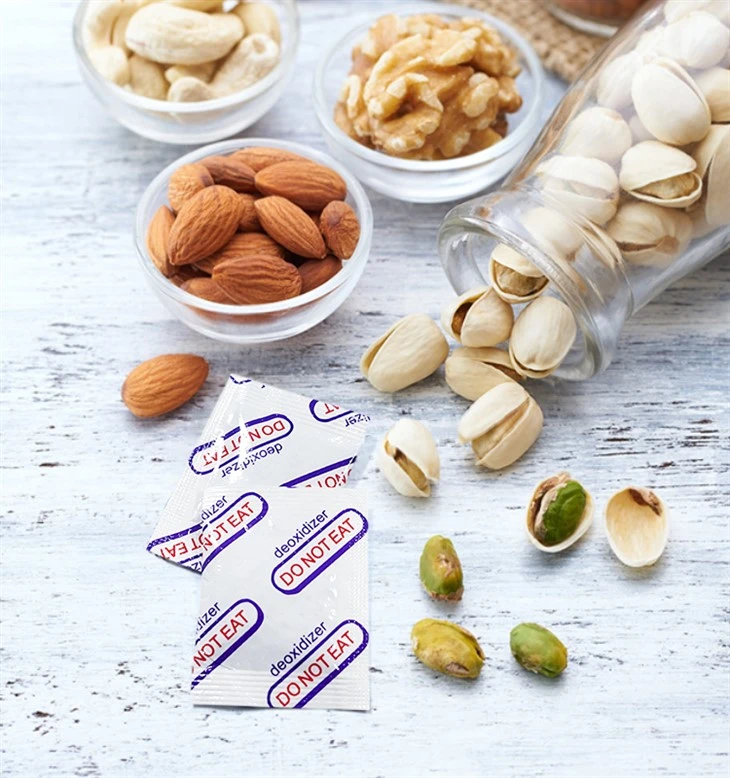
- Nuts and Seeds: Almonds, walnuts, peanuts, sunflower seeds, and other nuts and seeds are rich in oils, which can go rancid over time. Oxygen absorbers can help to slow down the oxidation process and keep the nuts and seeds fresh and crunchy.
- Dried Fruits: Raisins, apricots, dates, and other dried fruits are a convenient and healthy snack, but they can also attract insects and mold. Oxygen absorbers can help to keep the dried fruits fresh and prevent them from spoiling.
- Powdered Foods: Flour, sugar, salt, spices, and other powdered foods can be stored for longer periods of time with the help of oxygen absorbers. This can help to prevent the growth of bacteria and mold, and keep the powdered foods fresh and flavorful.
When using oxygen absorbers for dry foods, it's important to choose the right size and type of oxygen absorber for your container. You can find a variety of oxygen absorbers on the market, including Oxygen Absorb Bag 100cc Food, which is suitable for small containers, and Food Grade 400cc Absorbent Oxygens Pack, which is suitable for larger containers.
Semi-Moist Foods
Semi-moist foods have a higher moisture content than dry foods, which makes them more prone to spoilage. However, they can still benefit from the use of oxygen absorbers if they are stored in a sealed container. Some examples of semi-moist foods that can benefit from oxygen absorbers include:
- Jerky and Dried Meats: Beef jerky, turkey jerky, and other dried meats are a popular snack, but they can also spoil quickly if not stored properly. Oxygen absorbers can help to slow down the oxidation process and keep the jerky and dried meats fresh and flavorful.
- Baked Goods: Bread, cakes, cookies, and other baked goods can be stored for longer periods of time with the help of oxygen absorbers. This can help to prevent the growth of mold and bacteria, and keep the baked goods fresh and moist.
- Cheese and Dairy Products: Hard cheeses, such as cheddar, mozzarella, and parmesan, can be stored for longer periods of time with the help of oxygen absorbers. This can help to prevent the growth of mold and bacteria, and keep the cheese fresh and flavorful. However, soft cheeses and dairy products, such as yogurt and milk, are not suitable for oxygen absorbers because they require oxygen to maintain their texture and flavor.
When using oxygen absorbers for semi-moist foods, it's important to choose the right size and type of oxygen absorber for your container. You may also need to use a desiccant packet to absorb any excess moisture and prevent the growth of mold and bacteria.
Fresh Foods
Fresh foods have a high moisture content and are very perishable, which makes them unsuitable for oxygen absorbers. Oxygen absorbers can actually cause fresh foods to spoil more quickly by removing the oxygen that they need to stay fresh. Some examples of fresh foods that are not suitable for oxygen absorbers include:
- Fruits and Vegetables: Apples, bananas, oranges, lettuce, tomatoes, and other fruits and vegetables are best stored in the refrigerator or in a cool, dry place. Oxygen absorbers can cause them to wilt, rot, or develop mold.
- Meat and Poultry: Beef, chicken, pork, and other meats and poultry are best stored in the refrigerator or in the freezer. Oxygen absorbers can cause them to develop a foul odor and taste, and can also increase the risk of bacterial growth.
- Fish and Seafood: Salmon, tuna, shrimp, and other fish and seafood are best stored in the refrigerator or in the freezer. Oxygen absorbers can cause them to develop a fishy odor and taste, and can also increase the risk of bacterial growth.
In general, it's best to avoid using oxygen absorbers for fresh foods. Instead, you should store them in the refrigerator or in the freezer, and use them within a few days of purchase.
Other Considerations
In addition to choosing the right type of food for oxygen absorbers, there are a few other considerations that you should keep in mind when using oxygen absorbers:
- Storage Conditions: Oxygen absorbers work best in a sealed container, so it's important to make sure that your container is airtight. You should also store your container in a cool, dry place, away from direct sunlight and heat.
- Expiration Date: Oxygen absorbers have a limited shelf life, so it's important to check the expiration date before using them. You should also use them within a few days of opening the package to ensure that they are still effective.
- Safety: Oxygen absorbers are safe to use, but they should not be eaten. You should keep them out of reach of children and pets, and dispose of them properly after use.
In conclusion, oxygen absorbers are a great way to extend the shelf life of your food and keep it fresh and flavorful. By choosing the right type of food for oxygen absorbers, using the right size and type of oxygen absorber, and following the other considerations mentioned above, you can ensure that your food stays fresh and safe to eat for longer periods of time.
If you're interested in purchasing oxygen absorbers for your food storage needs, Iron Powder Oxygen Absorber Bags are a great option. They are made of high-quality materials and are designed to effectively remove oxygen from the air inside your container.
If you have any questions or need more information about oxygen absorbers, please don't hesitate to contact us. We'd be happy to help you choose the right oxygen absorbers for your food storage needs and answer any questions that you may have. Let's start a procurement discussion and find the best solutions for you!
References
- Kays, S. J., & Paull, R. E. (2004). Postharvest physiology of perishable plant products. CRC Press.
- Toledo, R. T. (2007). Fundamentals of food process engineering. Springer Science & Business Media.


