


Hey there! As a supplier of oxygen scavengers, I often get asked about the shelf-life of these nifty little products. So, I thought I'd take some time to break it down for you.
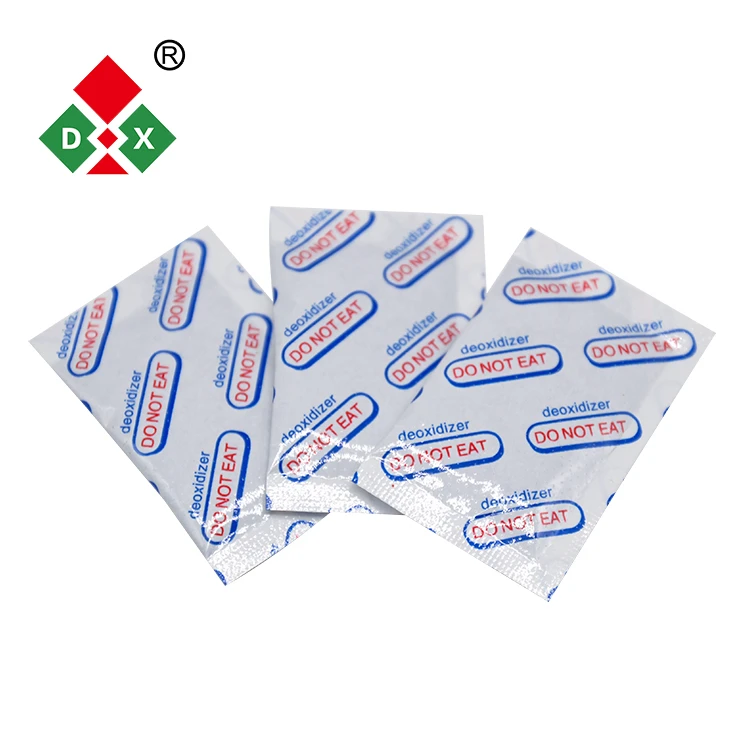
First off, let's understand what oxygen scavengers are. They're basically little packets or sachets that contain substances which react with oxygen to remove it from a sealed environment. This is super useful for preserving the quality of all sorts of products, from food to electronics.
Now, the shelf-life of oxygen scavengers can vary quite a bit. It depends on a bunch of factors, like the type of scavenger, how it's stored, and the manufacturing process.
Types of Oxygen Scavengers and Their Shelf-Lives
There are different types of oxygen scavengers out there, but the most common ones are those based on iron powder. These work by oxidizing the iron, which in turn consumes the oxygen in the surrounding area.
Iron Powder Oxygen Absorbers
Iron powder oxygen absorbers are widely used because they're effective and relatively inexpensive. The shelf-life of these can range from 6 months to 2 years. When they're properly stored in a sealed, moisture - free environment, they can last closer to the 2 - year mark. But if they're exposed to air or moisture, their effectiveness can start to decline pretty quickly.
For example, if you buy Iron Powder Oxygen Absorber Bags, and you leave them sitting open on your shelf for a few days, the iron inside will start reacting with the oxygen in the air around your house. This means that by the time you actually want to use them to preserve your products, they might not work as well.
Other Types of Oxygen Scavengers
There are also other types, like those based on ascorbic acid or enzymes. These can have different shelf - lives. Ascorbic acid - based scavengers usually have a shorter shelf - life, often around 6 months to 1 year. Enzyme - based ones can vary, but they also tend to be more sensitive to environmental conditions like temperature and humidity.
Factors Affecting Shelf - Life
Storage Conditions
The way you store oxygen scavengers is crucial. They should be kept in a cool, dry place. High temperatures can speed up the chemical reactions inside the scavengers, causing them to use up their oxygen - absorbing capacity before you even get a chance to use them. Moisture is also a big no - no. Water can cause the iron in iron - based scavengers to rust more quickly, reducing their effectiveness.
Imagine you have a batch of oxygen scavengers stored in a hot, humid basement. The heat and moisture will work together to degrade the scavengers. In contrast, if you store them in a climate - controlled closet, they'll last much longer.
Packaging
The packaging of oxygen scavengers also plays a role. Good quality, air - tight packaging can help extend the shelf - life. Manufacturers usually use materials that are resistant to oxygen and moisture. If the packaging is damaged or not properly sealed, the scavengers will be exposed to the environment and their shelf - life will be shortened.

How to Check if Oxygen Scavengers are Still Good
It's not always easy to tell if an oxygen scavenger is still effective just by looking at it. But there are a few ways you can check.
One simple method is to use an oxygen indicator. These are little devices that change color based on the oxygen level in an environment. You can put an oxygen indicator in a sealed container along with your oxygen scavenger and a sample product. If the indicator shows that the oxygen level is low after a certain period, then the scavenger is probably still working.
Another way is to do a simple test with a sealed bag. Put a few oxygen scavengers in a plastic bag, seal it tightly, and then check the bag after a few hours or days. If the bag starts to collapse, it means the scavengers are removing the oxygen from the bag, which is a good sign that they're still effective.
Importance of Shelf - Life in Different Industries
Food Industry
In the food industry, the shelf - life of oxygen scavengers is super important. Food products can spoil quickly when exposed to oxygen. For example, nuts can go rancid, and baked goods can become stale. Using oxygen scavengers with a good shelf - life can help food manufacturers extend the shelf - life of their products. If the scavengers expire before the food does, then the food will start to degrade.
Let's say you're a baker. You use Oxygene Absorber Food Packet to keep your bread fresh. If the scavengers in the packets expire too soon, your bread will go stale faster, which can lead to customer complaints and lost sales.
Electronics Industry
In the electronics industry, oxygen can cause corrosion on circuit boards and other components. Oxygen scavengers with a proper shelf - life can help protect these sensitive electronics during storage and transportation. If the scavengers stop working before the electronics are used, it can lead to malfunctions and costly repairs.
Our Products and Shelf - Life Assurance
As a supplier, we take great care to ensure that our oxygen scavengers have a good shelf - life. We use high - quality materials for both the scavenger substances and the packaging. Our 50cc Oxygen Absorbers are designed to last as long as possible under proper storage conditions.
We also provide detailed instructions on how to store and use our products to get the most out of them. Our team is always available to answer any questions you might have about the shelf - life or effectiveness of our oxygen scavengers.
Conclusion
The shelf - life of oxygen scavengers is an important factor to consider when using them for product preservation. By understanding the different types, the factors that affect their shelf - life, and how to check their effectiveness, you can make the most of these useful products.
If you're in the market for oxygen scavengers, whether it's for the food industry, electronics, or any other application, don't hesitate to reach out. We're here to help you find the right oxygen scavengers for your needs and ensure that you get the best value for your money. Contact us to start a discussion about your oxygen scavenger requirements and let's work together to preserve your products effectively.
References
- "Oxygen Scavengers in Food Packaging" - A research paper on the use and properties of oxygen scavengers in the food industry.
- "The Impact of Storage Conditions on Chemical Preservatives" - A study that looks at how different storage conditions affect the shelf - life of various chemical products, including oxygen scavengers.
- "Testing Methods for Oxygen Scavengers" - An article that details the different ways to test the effectiveness of oxygen scavengers.


