


What is the recommended humidity level in a car?
Maintaining the right humidity level in a car is crucial for both the comfort of passengers and the longevity of the vehicle's interior. As a car dehumidifier supplier, I've seen firsthand the impact that improper humidity can have on cars. In this blog, we'll explore what the recommended humidity level in a car is, the problems caused by high or low humidity, and how our products can help you achieve and maintain the ideal conditions.
The Ideal Humidity Level in a Car
The recommended humidity level in a car is generally between 30% and 50%. This range is considered optimal for several reasons. At this humidity level, passengers are less likely to experience discomfort such as dry skin, dry eyes, or a stuffy nose. It also helps to prevent the growth of mold and mildew, which can thrive in a moist environment.
Mold and mildew not only produce an unpleasant odor but can also cause health problems, especially for those with allergies or respiratory issues. Additionally, high humidity can damage the car's interior, including the upholstery, dashboard, and electronics. On the other hand, extremely low humidity can cause the leather seats to dry out and crack, and the plastic components to become brittle.

Problems Caused by High Humidity
High humidity in a car can lead to a variety of issues. One of the most obvious signs is foggy windows. When the air inside the car is humid and the temperature outside is lower, moisture condenses on the windows, reducing visibility and posing a safety hazard. This is particularly dangerous when driving at night or in adverse weather conditions.
Another problem associated with high humidity is the growth of mold and mildew. These fungi can grow on the carpets, seats, and other surfaces in the car, producing a musty smell and potentially causing health problems. Mold spores can be inhaled, leading to allergic reactions, respiratory problems, and other health issues.
High humidity can also damage the car's electronics. Moisture can seep into the electrical components, causing short circuits and other malfunctions. This can lead to costly repairs and potentially leave you stranded on the road.
Problems Caused by Low Humidity
While high humidity is a common problem, low humidity can also cause issues in a car. When the air is too dry, the leather seats can dry out and crack, losing their softness and appearance. The plastic components in the car, such as the dashboard and door panels, can also become brittle and prone to cracking.
Dry air can also cause discomfort for passengers. It can lead to dry skin, dry eyes, and a dry throat, making the driving experience unpleasant. In extreme cases, low humidity can even cause static electricity, which can be a nuisance and potentially damage the car's electronics.
How Our Car Dehumidifiers Can Help
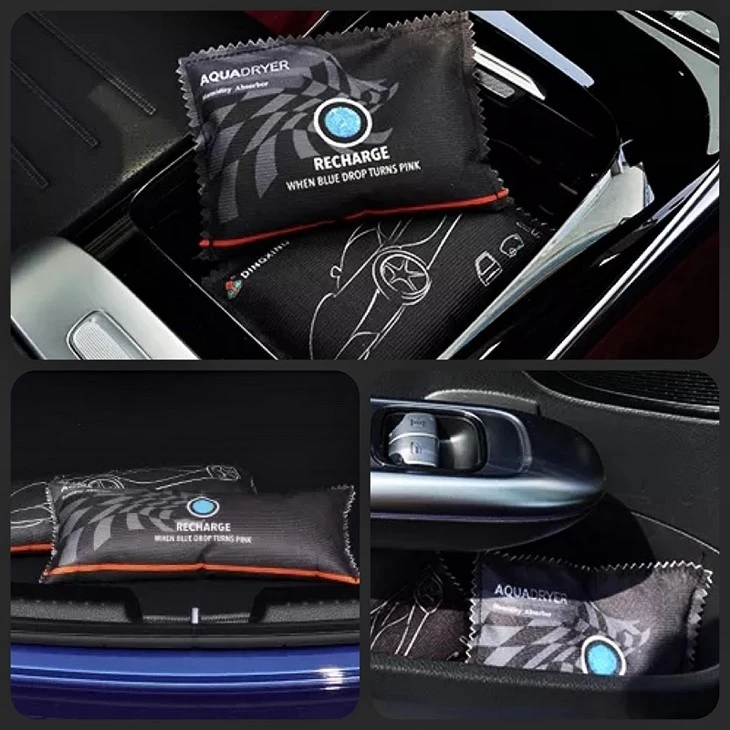
As a car dehumidifier supplier, we offer a range of products designed to help you maintain the ideal humidity level in your car. Our Car Moisture Absorber is a simple and effective solution for removing excess moisture from the air. It uses a natural absorbent material to trap moisture, preventing it from condensing on the windows and other surfaces in the car.
Our Best Dehumidifier For Car is a more advanced option that offers continuous dehumidification. It uses a powerful fan to circulate the air and a desiccant to absorb moisture. This product is ideal for those who live in areas with high humidity or who frequently drive in wet conditions.
We also offer a Dehumidifier Car Bag, which is a convenient and portable solution for keeping your car dry. This bag can be placed in the trunk, under the seats, or in other areas of the car to absorb moisture and prevent mold and mildew growth.
Tips for Maintaining the Ideal Humidity Level
In addition to using our car dehumidifiers, there are several other steps you can take to maintain the ideal humidity level in your car. Here are some tips:
- Ventilate the car regularly: Open the windows or use the ventilation system to allow fresh air to circulate in the car. This can help to reduce humidity and prevent the buildup of moisture.
- Avoid leaving wet items in the car: Wet clothes, umbrellas, and other items can add moisture to the air in the car. Make sure to remove these items as soon as possible and dry them thoroughly before putting them back in the car.
- Use a sunshade: A sunshade can help to reduce the temperature inside the car, which can in turn reduce humidity. This is especially important during the summer months when the sun can heat up the car quickly.
- Park in a garage or covered area: Parking your car in a garage or covered area can protect it from the elements and reduce the amount of moisture that enters the car.
Contact Us for More Information
If you're interested in learning more about our car dehumidifiers or have any questions about maintaining the ideal humidity level in your car, please don't hesitate to contact us. We're here to help you find the best solution for your needs and ensure that your car stays comfortable and dry.
References
- American Society of Heating, Refrigerating and Air-Conditioning Engineers (ASHRAE). (2017). ASHRAE Handbook - Fundamentals.
- Environmental Protection Agency (EPA). (2021). Mold Prevention Tips.
- National Institute of Standards and Technology (NIST). (2019). Handbook 133 - Checking the Net Contents of Packaged Goods.


