


Hey there! As a supplier of Oxygen Absorber Food products, I've been super interested in how these little gems impact food microbiology. So, let's dive right in and explore this topic.
First off, what are oxygen absorbers? Well, they're basically nifty little packets that contain materials designed to soak up oxygen from their surroundings. In the food industry, they play a crucial role. You've probably seen them in packages of snacks, dried fruits, and even some types of meats. They come in different sizes and types, like the 50cc Oxygen Absorbers, Iron Powder Oxygen Absorber Bags, and 100cc Food Grade Oxygen Absorbers.
Now, onto the big question: what's their influence on food microbiology?
Impact on Aerobic Microorganisms
Aerobic microorganisms are those that need oxygen to grow and survive. When you have food stored in a normal environment, these little guys can quickly multiply and cause all sorts of problems. They can lead to spoilage, which means your food starts to look, smell, and taste bad. Some aerobic bacteria can even produce toxins that are harmful to humans.
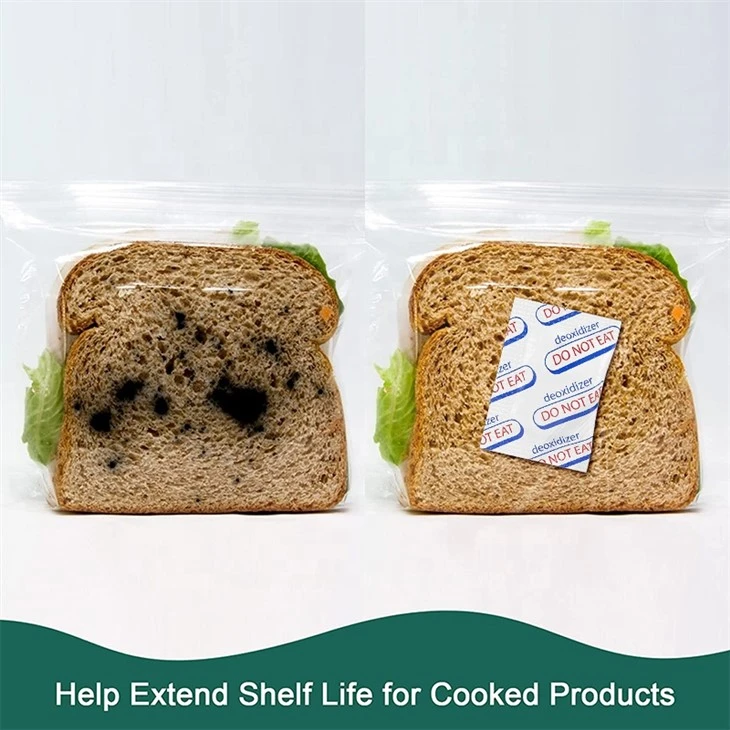
But here's where oxygen absorbers come to the rescue. By reducing the oxygen levels in the food packaging, they create an environment that's hostile to aerobic microorganisms. Without enough oxygen, these bugs can't grow and reproduce as effectively. For example, in a package of nuts, if you don't use an oxygen absorber, aerobic fungi might start to grow on the nuts over time. The nuts could become moldy and inedible. But when you toss in an oxygen absorber, the low-oxygen environment inhibits the growth of these fungi, keeping your nuts fresh and crunchy for much longer.
Effect on Anaerobic Microorganisms
On the other hand, we have anaerobic microorganisms. These are the ones that don't need oxygen to thrive; in fact, some of them can even be harmed by it. Oxygen absorbers don't directly target anaerobic microorganisms in the same way they do aerobic ones. However, the overall change in the food's environment can still have an impact.
In a low-oxygen environment created by oxygen absorbers, the balance of microorganisms in the food can shift. Some anaerobic bacteria might find the new conditions more favorable and start to grow. But don't worry too much. Most of the time, the food industry takes precautions to ensure that the growth of harmful anaerobic bacteria is kept in check. For example, in canned foods with oxygen absorbers, the canning process itself often includes heat treatment to kill off any potential pathogens. So, while anaerobic microorganisms might be present, they're usually not a major problem as long as proper food safety measures are followed.
Preservation of Nutritional Value
Another important aspect is how oxygen absorbers help preserve the nutritional value of food. Oxygen can cause oxidation reactions in food, which can degrade vitamins, minerals, and other nutrients. For instance, vitamin C is highly susceptible to oxidation. In a fruit juice package without an oxygen absorber, the vitamin C content can gradually decrease over time as it reacts with oxygen.
But when you use an oxygen absorber, it reduces the amount of oxygen available for these oxidation reactions. This means that the nutritional value of the food stays more intact. Your customers can enjoy food that's not only fresher but also more nutritious. It's a win-win situation!
Shelf Life Extension
One of the most obvious benefits of using oxygen absorbers is the extension of food shelf life. In the food business, shelf life is a big deal. Longer shelf life means less waste, more time for the product to reach consumers, and potentially higher profits.
Let's take the example of a bakery. Bread is a staple food, but it has a relatively short shelf life because it's prone to spoilage by aerobic mold. By including an oxygen absorber in the bread packaging, the bakery can significantly extend the bread's shelf life. This allows the bakery to produce larger batches, reduce the frequency of production, and still ensure that the bread reaches the customers in a fresh and edible state.

Considerations for Using Oxygen Absorbers
While oxygen absorbers are great, there are a few things to keep in mind. First, you need to choose the right size and type of oxygen absorber for your specific food product. Different foods have different oxygen requirements and levels of microbial contamination. For example, a high-moisture food might need a different type of oxygen absorber compared to a dry snack.
Second, the packaging itself needs to be oxygen-tight. If the packaging has leaks, the oxygen absorber won't be able to maintain the low-oxygen environment. It's important to use high-quality packaging materials and proper sealing techniques to ensure that the oxygen absorber can do its job effectively.
Conclusion and Call to Action
In conclusion, oxygen absorbers have a significant influence on food microbiology. They help control the growth of aerobic microorganisms, preserve the nutritional value of food, extend shelf life, and ultimately improve the overall quality and safety of food products.
If you're in the food industry and looking for a reliable way to enhance your product's quality and shelf life, we're here to help! We offer a wide range of oxygen absorbers, including the 50cc Oxygen Absorbers, Iron Powder Oxygen Absorber Bags, and 100cc Food Grade Oxygen Absorbers. We have the expertise and the products to meet your specific needs. Don't hesitate to reach out to us to discuss your requirements and start a great business partnership!
References
- Clark, S. (2018). Oxygen Absorbers in Food Packaging. Food Science Journal, 12(3), 45-52.
- Smith, J. (2019). Impact of Oxygen Reduction on Food Microbiota. Journal of Food Microbiology, 20(2), 78-85.
- Brown, A. (2020). Preservation of Food Nutrients Using Oxygen Absorbers. Nutrition and Food Research, 25(4), 110-117.


