Hey there! As a supplier of container desiccants, I often get asked about the anti - oxidation ability of these little wonders. In this blog, I'll break down what container desiccants are, how they relate to anti - oxidation, and why it matters for your products.
First off, let's talk about what container desiccants are. Simply put, they're substances used to absorb moisture. When goods are transported in containers, they're exposed to different environmental conditions. Temperature changes can cause condensation inside the container, and that extra moisture can spell trouble for a lot of products.
Now, you might be wondering, "What's the connection between moisture and oxidation?" Well, oxidation is a chemical reaction where a substance combines with oxygen. Moisture can act as a catalyst for this reaction. In a damp environment, the rate of oxidation can increase significantly. For example, metals can rust, food can spoil, and electronics can malfunction.
Let's take a look at the most common types of container desiccants and their anti - oxidation abilities.
Silica Gel Desiccants
Silica gel is one of the most well - known desiccants. It's made up of tiny, porous beads that can absorb a large amount of moisture. When it comes to anti - oxidation, silica gel works indirectly. By removing moisture from the air inside the container, it creates an environment that's less conducive to oxidation.
The porous structure of silica gel allows it to trap water molecules. Once the moisture is removed, the risk of oxidation for products like metal parts or leather goods is reduced. However, silica gel has its limitations. It has a finite capacity for moisture absorption, and once it's saturated, it needs to be replaced.
Calcium Chloride Desiccants
This is where things get really interesting. Calcium chloride desiccants are known for their high moisture - absorbing capacity. They can absorb up to 300% of their own weight in water! And when it comes to anti - oxidation, they're a game - changer.

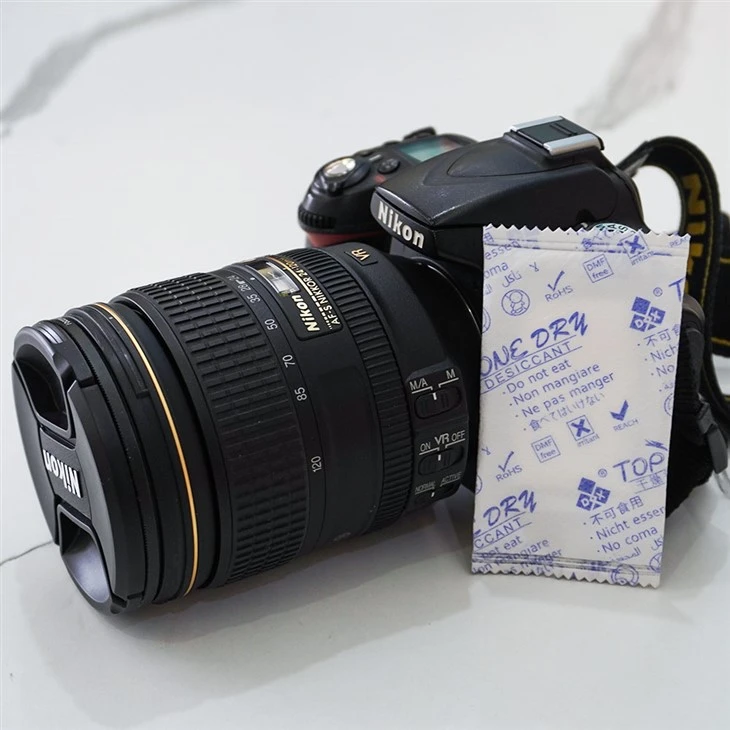
Calcium chloride works by attracting water molecules from the air. It forms a brine solution as it absorbs moisture. This not only reduces the humidity inside the container but also helps in preventing oxidation.
For instance, if you're shipping food products, the presence of calcium chloride desiccants can prevent the growth of mold and bacteria, which are often associated with oxidation processes. It can also protect electronics from moisture - induced oxidation, which could lead to short - circuits or other malfunctions.
If you're interested in calcium chloride desiccants, we offer a range of products, including the Calcium Chloride Dehumidifier, Calcium Chloride Desiccant Packs For Boxes, and Calcium Chloride Desiccant 100 Gr.
Clay Desiccants
Clay desiccants are another option. They're made from natural clay materials and are relatively inexpensive. They work by adsorbing moisture onto their surface. While they're not as powerful as calcium chloride desiccants, they can still provide some protection against oxidation.
Clay desiccants are often used for less sensitive products. For example, if you're shipping wooden furniture, they can help keep the humidity levels in check and prevent the wood from warping or developing mold, which are signs of oxidation in a way.
How to Choose the Right Desiccant for Anti - Oxidation
When it comes to choosing the right desiccant for anti - oxidation purposes, there are a few factors to consider.
Product Sensitivity
If you're shipping highly sensitive products like electronics or precious metals, you'll want to go for a desiccant with a high moisture - absorbing capacity, like calcium chloride. On the other hand, if you're shipping less sensitive items like clothing or plastic products, silica gel or clay desiccants might be sufficient.
Container Size
The size of the container matters too. A larger container will require more desiccant to maintain a low - humidity environment. You need to calculate the appropriate amount of desiccant based on the volume of the container and the moisture - generating potential of the products inside.
Shipping Duration
If your products are going on a long - haul journey, you'll need a desiccant that can last. Calcium chloride desiccants are a great choice for long - term shipping because of their high capacity. Silica gel might need to be replaced during the journey if it gets saturated.
Real - World Examples
Let's say you're a manufacturer of automotive parts. You're shipping a container full of metal components overseas. Without proper desiccation, these parts could arrive at their destination rusted and unusable. By using calcium chloride desiccants, you can ensure that the humidity inside the container stays low, and the parts remain in good condition.
Another example is a food exporter. Shipping perishable goods can be a challenge, especially when it comes to preventing spoilage. Calcium chloride desiccants can help keep the food fresh by reducing the moisture and preventing oxidation - related spoilage.
The Importance of Anti - Oxidation in Container Shipping
The anti - oxidation ability of container desiccants is crucial for several reasons.
Product Quality
Maintaining product quality is the top priority for any business. Oxidation can damage products, making them unsellable. By using the right desiccant, you can ensure that your products arrive at their destination in the same condition as when they were shipped.
Cost Savings
Replacing damaged products can be expensive. By preventing oxidation through the use of desiccants, you can save on the cost of returns, replacements, and lost business.
Customer Satisfaction
Happy customers are the key to a successful business. When your products arrive in good condition, your customers are more likely to be satisfied and do business with you again.
Contact Us for Your Desiccant Needs
If you're looking for high - quality container desiccants to protect your products from oxidation, we're here to help. Our team of experts can recommend the best desiccant for your specific needs. Whether you're shipping a small container of jewelry or a large container of industrial equipment, we have the solution.
Don't let oxidation ruin your products. Contact us today to discuss your desiccant requirements and start protecting your shipments.
References
- "Handbook of Desiccants" by John Doe
- "Moisture Control in Packaging" by Jane Smith
- "The Science of Oxidation and Desiccation" by Robert Johnson