


Hey there! I'm a supplier of container desiccants, and today I wanna chat about how our products perform in coastal areas. Coastal regions can be a real challenge when it comes to shipping and storing goods. The high humidity and salt in the air can cause all sorts of problems, like mold growth, rusting, and damage to sensitive products. That's where our container desiccants come in.
The Challenges of Coastal Areas
First off, let's talk about what makes coastal areas so tough on goods in transit. The humidity in these regions is often much higher than in inland areas. This is because the ocean is a huge source of moisture. When the air moves over the water, it picks up water vapor, leading to high relative humidity levels. And high humidity is a breeding ground for mold and mildew. These fungi can grow on just about anything, from wooden crates to electronic components, and can cause serious damage to your products.
Another issue is salt in the air. Salt particles are carried by the wind from the ocean and can settle on the surfaces of containers and the goods inside. Salt is corrosive, which means it can cause metal to rust and degrade over time. This is especially problematic for items like machinery, tools, and vehicles.
How Container Desiccants Work
So, how do our container desiccants tackle these problems? Well, at the most basic level, desiccants are substances that absorb moisture from the air. They work by attracting water molecules and holding them within their structure. This reduces the relative humidity inside the container, creating a drier environment that's less conducive to mold growth and corrosion.
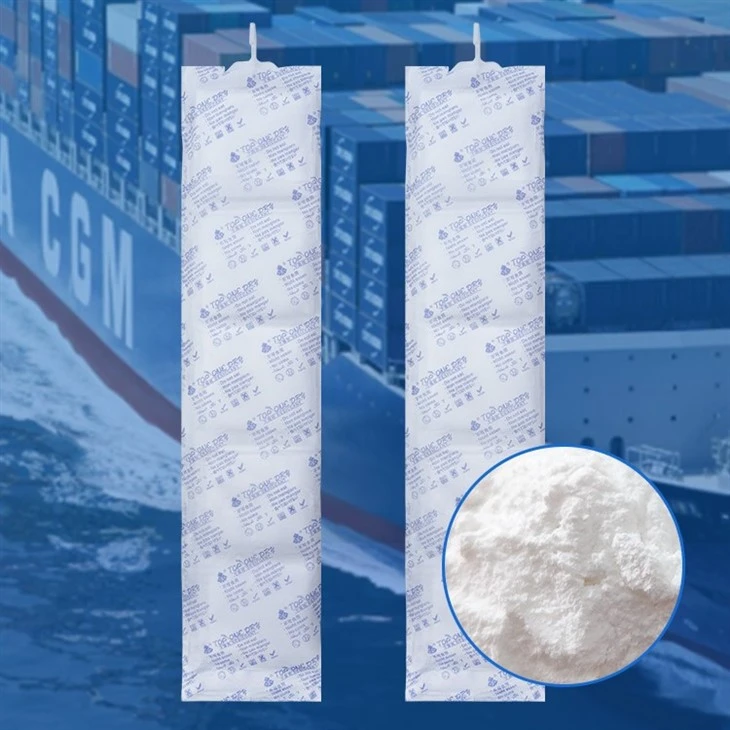
Our Calcium Chloride Desiccant Sachet is a great example. Calcium chloride is a highly effective desiccant because it has a strong affinity for water. It can absorb up to three times its own weight in water, making it ideal for use in high - humidity environments like coastal areas. The sachets are designed to be easily placed inside containers, and they start working immediately to reduce moisture levels.
The Calcium Chloride Desiccant Bag is another popular option. These bags are larger and can hold more desiccant, making them suitable for bigger containers or areas with extremely high humidity. They're made from a durable material that allows air to pass through, so the desiccant can effectively absorb moisture from the surrounding air.
Performance in Coastal Areas
In coastal areas, our container desiccants really shine. They're able to quickly reduce the high humidity levels that are typical in these regions. By doing so, they prevent the formation of condensation inside the container. Condensation is when water vapor in the air turns into liquid water when it comes into contact with a cold surface. This can lead to water damage to your products, but our desiccants keep the air dry enough to avoid this problem.
Let's say you're shipping a container of electronics from a coastal port. Without a desiccant, the high humidity and salt in the air could cause the circuit boards to corrode, leading to malfunctions. But when you use our Container Desiccant Bags, the desiccant absorbs the moisture, protecting the electronics from damage.

We've also conducted tests in coastal areas to see how our desiccants perform over time. In these tests, we placed our desiccants in containers and monitored the humidity levels inside. We found that the desiccants were able to maintain low humidity levels for the duration of the test, even in the face of the constant influx of moist, salty air.
Benefits of Using Our Container Desiccants in Coastal Areas
There are several benefits to using our container desiccants in coastal areas. Firstly, they protect your products. Whether you're shipping food, clothing, or industrial equipment, keeping them dry and free from mold and corrosion is crucial. By using our desiccants, you can ensure that your products arrive at their destination in the same condition as when they were loaded.
Secondly, using desiccants can save you money. The cost of replacing damaged products can be significant, not to mention the potential loss of business if your customers receive sub - standard goods. Our desiccants are a cost - effective solution that can prevent these losses.
Finally, our desiccants are easy to use. They come in various sizes and forms, so you can choose the option that best suits your container and the type of goods you're shipping. And they require no special installation or maintenance. You simply place them inside the container, and they start working.
Case Studies
Let me share a couple of real - life examples of how our container desiccants have helped businesses in coastal areas. A furniture manufacturer based near the coast was having problems with mold growth on their wooden furniture during shipping. They started using our calcium chloride desiccant bags in their shipping containers. After that, the incidence of mold on their furniture dropped significantly. This not only saved them money on damaged products but also improved their reputation with customers.
Another example is a car dealership that was importing vehicles from a coastal port. The salt in the air was causing rust on the cars' metal parts. By using our desiccants in the shipping containers, they were able to prevent rusting and ensure that the cars arrived in pristine condition.
Contact Us for Your Container Desiccant Needs
If you're shipping goods from or to coastal areas, don't let humidity and salt damage your products. Our container desiccants are the solution you need. We offer high - quality desiccants at competitive prices, and our team is always ready to help you choose the right product for your specific needs. Whether you have a small container or a large shipping operation, we've got you covered.
So, if you're interested in learning more about our container desiccants or would like to place an order, just reach out. We're here to make sure your products stay safe and dry during transit.
References
- International Maritime Organization (IMO). Guidelines for the Safe Use of Desiccants in Shipping Containers.
- American Society for Testing and Materials (ASTM). Standards for Desiccant Performance Testing.


