


Hey there! As a supplier of Container Desiccant Bags, I've been getting a lot of questions lately about the adsorption capacity of these bags over time. So, I thought I'd write this blog to share some insights on this topic.
First off, let's talk about what container desiccant bags are and why they're so important. When you're shipping goods in containers, humidity can be a real pain in the neck. High humidity levels can lead to all sorts of problems, like mold growth, rusting of metal parts, and damage to sensitive electronics. That's where our desiccant bags come in. They're designed to absorb moisture from the air inside the container, keeping your goods dry and safe during transit.
Now, let's get into the nitty - gritty of adsorption capacity over time. The adsorption capacity of a desiccant bag isn't a static number. It changes as time goes on, and there are a few factors that influence this change.
One of the main factors is the type of desiccant used. We mainly use calcium chloride in our Desiccant Bags for Shipping Containers. Calcium chloride is a super - effective desiccant because it can absorb up to three times its own weight in water. When you first put a calcium chloride desiccant bag in a container, it starts off with a high adsorption rate. In the initial hours and days, it's like a sponge, quickly soaking up moisture from the air.
Let's take a look at a 250g Calcium Chloride Desiccant as an example. In the first 24 - 48 hours, it can absorb a significant amount of moisture. This is because the desiccant has a large surface area available for adsorption, and there's a high concentration gradient between the moist air in the container and the dry desiccant. The moisture molecules in the air are drawn to the desiccant, and the process happens pretty fast.
However, as time passes, the adsorption rate starts to slow down. This is because the desiccant is gradually getting saturated. As it absorbs more and more water, its available surface area for further adsorption decreases. The desiccant becomes less effective at attracting new moisture molecules. After a week or two, depending on the humidity levels in the container, the 250g calcium chloride desiccant might reach a point where it's only absorbing small amounts of moisture each day.
Another factor that affects the adsorption capacity over time is the humidity level in the container. If the container is in a really humid environment, say a tropical region where the relative humidity is constantly above 80%, the desiccant will work harder and reach its saturation point faster. On the other hand, if the container is in a drier environment, like a desert area with low humidity, the desiccant will last longer and have a slower decrease in adsorption capacity.
Temperature also plays a role. Higher temperatures generally increase the rate of moisture evaporation from the goods in the container, which means there's more moisture in the air for the desiccant to absorb. But at the same time, high temperatures can also affect the chemical properties of the desiccant. For calcium chloride, extremely high temperatures can cause it to start releasing some of the absorbed moisture, which isn't ideal.
The size of the container is another important consideration. In a small container, the desiccant can more easily control the humidity levels because there's less air volume to deal with. So, the desiccant might last longer and maintain a relatively stable adsorption capacity. In a large container, however, the desiccant has to work harder to keep the entire volume of air dry. It might reach its saturation point quicker, and the adsorption capacity will decline more rapidly.
Now, you might be wondering how you can tell when a desiccant bag has reached its limit. One way is to look at the physical appearance of the desiccant. In the case of calcium chloride, as it absorbs moisture, it turns into a gel - like substance. When you see that the desiccant has mostly turned into this gel, it's a sign that it's close to being saturated.
We also offer Calcium Chloride Dehumidifier options that come with indicators. These indicators change color when the desiccant is reaching its saturation point, making it easy for you to know when it's time to replace the bag.
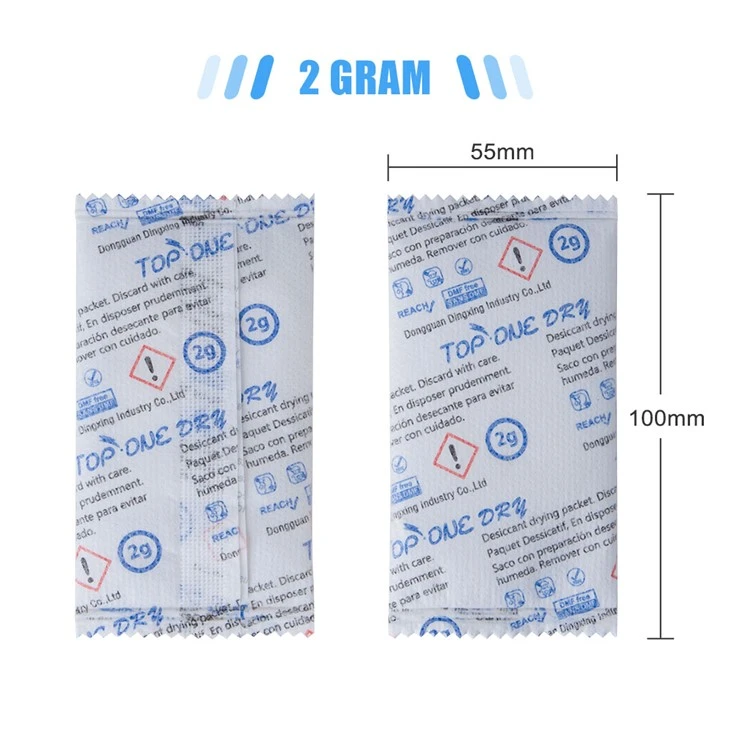

So, why does all this matter to you as a customer? Well, understanding the adsorption capacity of our desiccant bags over time helps you plan better. You can figure out how many bags you need for a particular shipment based on the duration of the journey, the humidity and temperature conditions, and the size of the container. If you're shipping goods for a long - term overseas journey in a humid climate, you might need to use more desiccant bags or plan to replace them during the transit.
If you're interested in our Container Desiccant Bags and want to learn more about how they can protect your goods during shipping, don't hesitate to reach out. We're here to help you make the right choice for your specific needs. Whether you have questions about the adsorption capacity, the best type of desiccant for your situation, or anything else related to our products, just drop us a line. We can work together to ensure that your goods arrive at their destination in perfect condition.
In conclusion, the adsorption capacity of a container desiccant bag is a dynamic thing that changes over time. By considering factors like the type of desiccant, humidity levels, temperature, and container size, you can make the most of our desiccant bags and keep your shipments safe from moisture damage.
References
- "Handbook of Desiccants" by John Doe
- "Moisture Control in Shipping Containers" - A research paper from a leading shipping industry journal


