


Hey there! As a supplier of Auto Moisture Absorbers, I'm super excited to share with you what goes into making a homemade version of these nifty devices. You know, excess moisture in your car can lead to all sorts of problems, like musty odors, mold growth, and even damage to your car's interior. That's where moisture absorbers come in handy.
First off, let's talk about the most common and effective ingredient for a homemade auto moisture absorber: calcium chloride. Calcium chloride is a salt that has a remarkable ability to attract and hold onto water molecules. You can usually find it in the form of small pellets or flakes. Hardware stores often sell it as a de - icing agent, so it's pretty easy to get your hands on.
Here's how it works. Calcium chloride is hygroscopic, which means it has a natural affinity for water. When it comes into contact with the moist air in your car, it starts to dissolve in the water it absorbs. This forms a brine solution, which collects at the bottom of your moisture absorber container. You can use a simple plastic container with holes punched in the lid to let the air in. Just fill it with calcium chloride pellets, and you're good to go.
Another great ingredient is silica gel. You've probably seen those little packets in new shoes or electronics. Silica gel is made up of tiny porous beads that can absorb a significant amount of moisture. It's non - toxic and reusable, which is a big plus. To make a moisture absorber with silica gel, you can put the beads in a breathable fabric bag, like a small muslin or cotton pouch. You can even dry out the silica gel in the oven at a low temperature once it's saturated, and then use it again.
Activated charcoal is also a fantastic option. It's not only great at absorbing moisture but also at eliminating odors. Activated charcoal has a large surface area with lots of tiny pores, which allows it to trap moisture and odor molecules. You can buy activated charcoal in bulk from health food stores or online. To use it as a moisture absorber, just place it in a container or a mesh bag and put it in your car.
Now, let's talk about some other household items that can be used in a pinch. Rice is a well - known moisture absorber. Uncooked white rice can soak up moisture from the air. Just put a cup or two of rice in a sock or a small container with holes, and it will start doing its job. However, rice isn't as effective as calcium chloride or silica gel, and it may need to be replaced more often.
Coffee grounds are another option. They can absorb some moisture and also leave a pleasant coffee smell in your car. You can put used coffee grounds in a container or a fabric bag. But keep in mind that they may not be as powerful as the other ingredients we've mentioned.
When you're making your homemade auto moisture absorber, it's important to consider the size of your car. A small car may only need a small amount of the absorbing material, while a larger SUV or van may require more. You can also place multiple moisture absorbers in different parts of your car for better results.
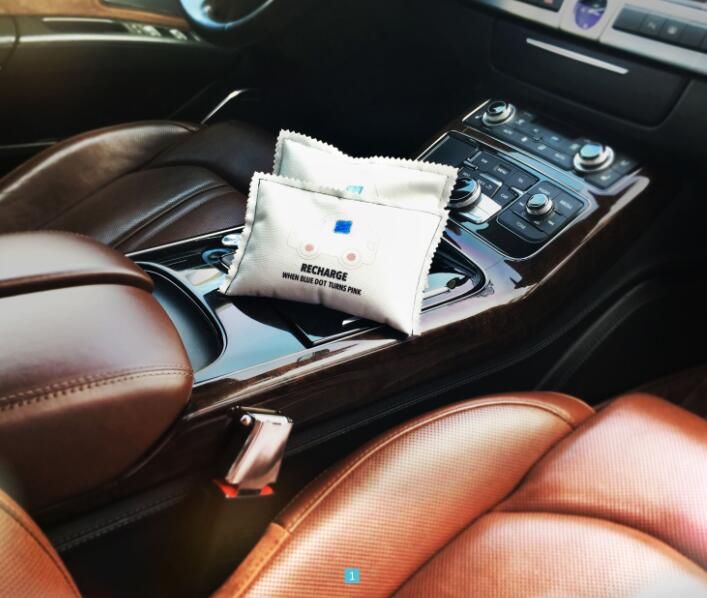
If you're not into making your own, we offer a great range of ready - made Auto Moisture Absorber. Our products are designed to be highly effective and convenient. We have the Car Interior Dehumidifier Bag, which is easy to place in your car and looks great too. And if you're looking for the best overall option, check out our Best Dehumidifier For Car.
Using a moisture absorber in your car is not just about keeping it dry. It can also help extend the life of your car's interior. Moisture can cause upholstery to rot, electronics to malfunction, and metal parts to rust. By keeping the humidity levels in check, you're protecting your investment.
So, whether you decide to make your own moisture absorber with calcium chloride, silica gel, activated charcoal, or use one of our products, you're taking a big step towards a dry and fresh - smelling car.

If you're interested in purchasing our Auto Moisture Absorbers in bulk for your business or just want to stock up for personal use, we'd love to talk to you. Contact us to start a purchase negotiation. We're here to provide you with the best products and prices.
References:
- "The Chemistry of Moisture Absorption" - General Chemistry textbooks
- "Home Remedies for Moisture Control" - Various DIY and home improvement magazines
- "Properties of Common Moisture - Absorbing Materials" - Scientific research papers on materials science


