


In the world of product preservation, oxygen scavengers play a pivotal role in maintaining and enhancing product quality. As a leading supplier of oxygen scavengers, I've witnessed firsthand the profound impact these small yet powerful tools can have on a wide range of products. In this blog, we'll explore how oxygen scavengers affect product quality, from food and pharmaceuticals to electronics and more.
The Science Behind Oxygen Scavengers
Before delving into their effects on product quality, it's essential to understand what oxygen scavengers are and how they work. Oxygen scavengers are substances designed to remove or reduce the amount of oxygen in a sealed environment. They typically contain iron powder, which reacts with oxygen in the presence of moisture to form iron oxide. This chemical reaction effectively absorbs oxygen, creating a low-oxygen or oxygen-free environment.
The process of oxygen absorption is crucial because oxygen can cause various forms of product degradation. Oxidation, for example, can lead to the spoilage of food, the discoloration of pharmaceuticals, and the corrosion of metals. By removing oxygen, oxygen scavengers help prevent these unwanted reactions, thereby extending the shelf life and maintaining the quality of products.
Impact on Food Products
One of the most significant applications of oxygen scavengers is in the food industry. Oxygen can have a detrimental effect on the quality, safety, and flavor of food products. For instance, it can cause the oxidation of fats and oils, leading to rancidity and off-flavors. It can also promote the growth of aerobic microorganisms, such as mold and bacteria, which can spoil the food and pose a health risk to consumers.
Oxygen scavengers help combat these issues by creating a low-oxygen environment inside food packages. This environment inhibits the growth of aerobic microorganisms and slows down the oxidation process, thereby preserving the freshness, flavor, and nutritional value of the food. For example, in bakery products, oxygen scavengers can prevent the staling process by reducing the oxidation of fats and the growth of mold. In meat products, they can prevent the discoloration and spoilage caused by oxygen exposure.
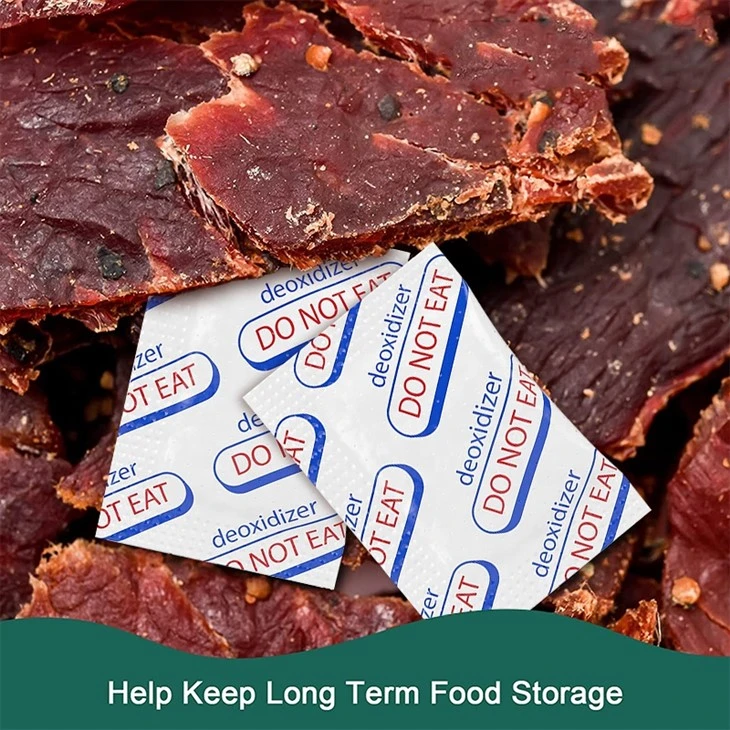
When it comes to food preservation, different types of oxygen scavengers are available to suit various needs. Absorbent Oxygens Pack are a popular choice for many food manufacturers. These packs are designed to absorb a specific amount of oxygen, depending on the size and type of the food package. They are easy to use and can be placed directly inside the package along with the food product.
Another option is Oxygen Absorber Packets for Food. These packets are specifically formulated for food applications and are made from food-grade materials. They are available in different sizes and capacities, allowing food manufacturers to choose the most suitable option for their products.
Influence on Pharmaceutical Products
In the pharmaceutical industry, oxygen can also have a negative impact on the stability and efficacy of drugs. Oxidation can cause the degradation of active ingredients, leading to a decrease in the potency of the drug. It can also cause the formation of impurities, which can affect the safety and quality of the pharmaceutical product.
Oxygen scavengers are used in pharmaceutical packaging to protect drugs from oxygen-induced degradation. By creating a low-oxygen environment inside the packaging, they help maintain the stability and efficacy of the drugs over their shelf life. For example, in tablets and capsules, oxygen scavengers can prevent the oxidation of active ingredients and the formation of impurities. In liquid medications, they can prevent the degradation of the drug due to oxygen exposure.
The Oxygen Absorber 3000cc is a high-capacity oxygen scavenger that is often used in pharmaceutical packaging. It is designed to absorb a large amount of oxygen, making it suitable for larger packaging or products that require a high level of oxygen protection.
Effects on Electronics and Other Products
Oxygen scavengers are not limited to food and pharmaceutical applications. They are also used in the electronics industry to protect electronic components from oxidation and corrosion. Oxygen can cause the oxidation of metal parts, leading to the formation of rust and the degradation of electrical properties. By removing oxygen from the packaging, oxygen scavengers help prevent these issues and ensure the reliability and performance of electronic products.
In addition to electronics, oxygen scavengers are used in other industries, such as the cosmetics and textile industries. In cosmetics, they can prevent the oxidation of oils and fragrances, maintaining the quality and freshness of the products. In textiles, they can prevent the discoloration and degradation of fibers caused by oxygen exposure.
Factors Affecting the Performance of Oxygen Scavengers
While oxygen scavengers are effective in reducing oxygen levels and preserving product quality, their performance can be affected by several factors. These factors include the type and amount of oxygen scavenger used, the size and type of the package, the initial oxygen concentration in the package, and the storage conditions.
The type and amount of oxygen scavenger used are crucial for achieving the desired oxygen reduction. Different types of oxygen scavengers have different oxygen absorption capacities, and the amount used should be based on the volume of the package and the oxygen level that needs to be reduced. For example, a larger package or a product that is more sensitive to oxygen may require a higher-capacity oxygen scavenger or a larger amount of the scavenger.
The size and type of the package also play a role in the performance of oxygen scavengers. A package with a larger surface area or a higher oxygen permeability may require more oxygen scavenger to achieve the same level of oxygen reduction. Additionally, the type of packaging material can affect the rate of oxygen absorption. For example, a package made of a material with low oxygen permeability may slow down the oxygen absorption process.
The initial oxygen concentration in the package is another important factor. If the initial oxygen concentration is high, it may take longer for the oxygen scavenger to reduce the oxygen level to the desired level. Therefore, it is important to minimize the initial oxygen concentration in the package before adding the oxygen scavenger. This can be achieved by using techniques such as vacuum packaging or flushing the package with an inert gas.
Finally, the storage conditions can also affect the performance of oxygen scavengers. High temperatures and humidity can accelerate the oxygen absorption process, but they can also reduce the effectiveness of the oxygen scavenger over time. Therefore, it is important to store products with oxygen scavengers in a cool, dry place to ensure their optimal performance.
Conclusion
In conclusion, oxygen scavengers have a significant impact on product quality across various industries. By removing oxygen from the packaging environment, they help prevent oxidation, microbial growth, and other forms of product degradation, thereby extending the shelf life and maintaining the quality, safety, and flavor of products.
As a supplier of oxygen scavengers, we are committed to providing high-quality products that meet the diverse needs of our customers. Whether you are a food manufacturer, a pharmaceutical company, an electronics manufacturer, or a business in another industry, we have the right oxygen scavenger solution for you.

If you are interested in learning more about our oxygen scavenger products or would like to discuss your specific requirements, please don't hesitate to contact us. We look forward to working with you to enhance the quality and shelf life of your products.
References
- Rooney, M. L. (1995). Oxygen scavengers in food packaging. Food Technology, 49(1), 52-56.
- Suppakul, P., Miltz, J., Sonneveld, K., & Bigger, S. W. (2003). Active packaging technologies with an emphasis on antimicrobial packaging and its applications. Journal of Food Science, 68(2), 408-420.
- Yam, K. L., Takhistov, P. T., & Miltz, J. (2005). Active packaging technologies with an emphasis on oxygen - and ethylene - scavenging and carbon dioxide - emitting systems. Journal of Food Science, 70(1), R1-R19.


