


As an oxygen absorber supplier, I often receive inquiries from various industries about the applicability of our products. One question that has come up more frequently lately is whether oxygen absorbers can be used in textile storage. In this blog post, I'll delve into the science behind oxygen absorbers, their potential benefits for textile storage, and any considerations to keep in mind.
Understanding Oxygen Absorbers
Oxygen absorbers are small packets or sachets that contain materials designed to remove oxygen from an enclosed environment. The most common type of oxygen absorber uses iron powder as the active ingredient. When exposed to oxygen and moisture, the iron powder undergoes an oxidation reaction, converting oxygen into iron oxide (rust). This process effectively reduces the oxygen level within the sealed container, creating an environment that is less conducive to the growth of mold, mildew, and insects.
Our company offers a range of oxygen absorbers, including Oxygen Absorber Food, Oxygene Absorber For Food, and Iron Powder Oxygen Absorber Bags. These products are designed to meet the specific needs of different industries, including food storage, pharmaceuticals, and now, potentially, textiles.
The Benefits of Using Oxygen Absorbers in Textile Storage
Textiles are prone to damage from a variety of factors, including moisture, oxygen, and pests. Oxygen absorbers can help mitigate these risks by creating a low-oxygen environment that inhibits the growth of mold and mildew. Mold and mildew thrive in moist, oxygen-rich environments, and can cause discoloration, odor, and structural damage to textiles. By reducing the oxygen level, oxygen absorbers can help prevent the growth of these harmful microorganisms, preserving the quality and appearance of the textiles.
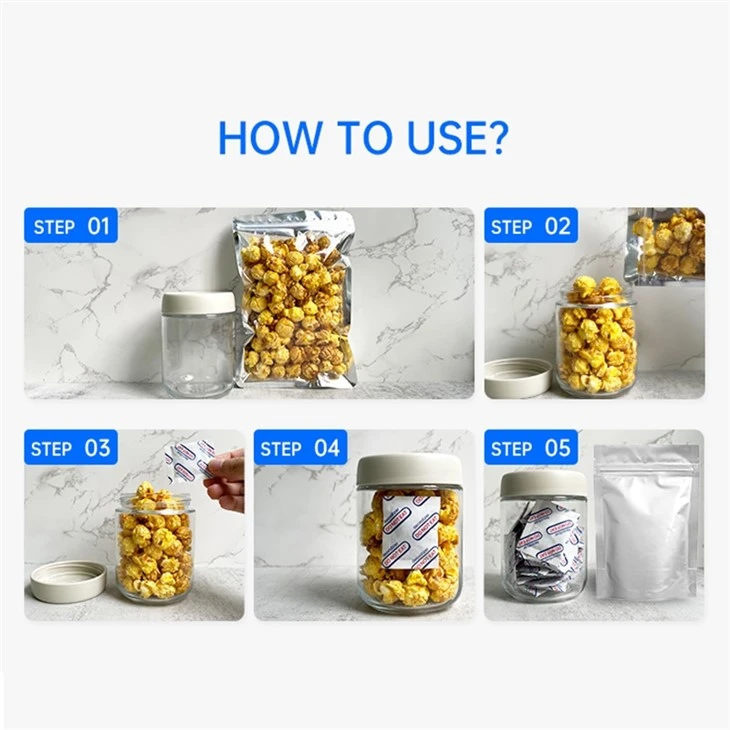

In addition to preventing mold and mildew, oxygen absorbers can also help protect textiles from insect damage. Many insects, such as moths and beetles, are attracted to the proteins and fibers in textiles. These insects can lay eggs on the fabric, and their larvae can cause significant damage by feeding on the fibers. By creating a low-oxygen environment, oxygen absorbers can make the textiles less attractive to these insects, reducing the risk of infestation.
Another benefit of using oxygen absorbers in textile storage is that they can help prevent the oxidation of dyes and fibers. Over time, exposure to oxygen can cause dyes to fade and fibers to weaken, leading to a loss of color and structural integrity. By reducing the oxygen level, oxygen absorbers can help slow down this oxidation process, preserving the color and strength of the textiles.
Considerations for Using Oxygen Absorbers in Textile Storage
While oxygen absorbers can offer significant benefits for textile storage, there are some considerations to keep in mind. First, it's important to choose the right type and size of oxygen absorber for the storage container. The amount of oxygen absorber needed will depend on the size of the container and the amount of oxygen present. Using too few oxygen absorbers may not effectively reduce the oxygen level, while using too many can create an overly dry environment that can damage the textiles.
Second, it's important to ensure that the storage container is properly sealed. Oxygen absorbers work by removing oxygen from an enclosed environment, so any leaks in the container can allow oxygen to enter, reducing the effectiveness of the oxygen absorbers. Make sure to use a high-quality sealant or airtight container to ensure a tight seal.
Third, it's important to monitor the oxygen level in the storage container regularly. Oxygen absorbers have a limited lifespan, and over time, they will become saturated with oxygen and stop working. By monitoring the oxygen level, you can determine when it's time to replace the oxygen absorbers.
Finally, it's important to consider the type of textiles being stored. Some textiles, such as silk and wool, are more sensitive to changes in humidity and temperature than others. Before using oxygen absorbers, it's a good idea to consult with a textile expert or conservationist to determine the best storage conditions for your specific textiles.
Conclusion
In conclusion, oxygen absorbers can be a valuable tool for textile storage. By creating a low-oxygen environment, they can help prevent the growth of mold and mildew, protect against insect damage, and slow down the oxidation of dyes and fibers. However, it's important to choose the right type and size of oxygen absorber, ensure a proper seal, monitor the oxygen level, and consider the type of textiles being stored.
If you're interested in using oxygen absorbers for textile storage, I encourage you to contact us to discuss your specific needs. Our team of experts can help you choose the right product and provide guidance on how to use it effectively. We're committed to providing high-quality oxygen absorbers and excellent customer service, and we look forward to working with you to preserve the quality and beauty of your textiles.
References
- Smith, J. (2020). The Science of Oxygen Absorbers. Journal of Preservation Science, 15(2), 45-52.
- Johnson, A. (2019). Textile Conservation: Best Practices for Storage and Display. Museum Management and Curatorship, 34(3), 217-232.
- Brown, K. (2018). Protecting Textiles from Mold and Mildew. Textile Research Journal, 88(12), 1456-1463.


