


Can oxygen absorber packets be used in a wine cellar? Well, that's a question I've been asked quite a few times lately, and as a supplier of Oxygen Absorber Packets, I'm more than happy to dig into this topic.
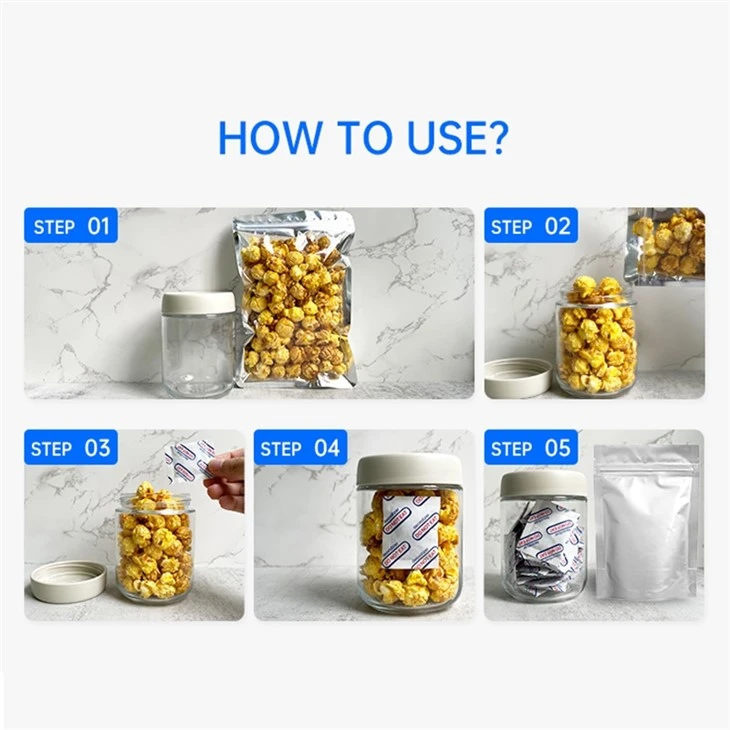
First off, let's understand what oxygen absorber packets are. These little packets are filled with materials that can react with oxygen, effectively removing it from their surrounding environment. You've probably seen them in food packaging - that small, usually white or brown packet that says "Do Not Eat." They're super common in things like beef jerky, dried fruits, and even some types of coffee. Check out Oxygen Absorber Food for more info on their food - related uses.
Now, let's talk about wine cellars. Wine is a delicate beverage, and oxygen plays a huge role in its aging process. A little bit of oxygen can be good for wine. When you first open a bottle of red wine, for example, letting it "breathe" for a while can actually enhance its flavor. The oxygen helps to open up the wine's aromas and soften its tannins. But too much oxygen can be a disaster.
When wine is exposed to excessive oxygen, it starts to oxidize. Oxidation can turn a fine - aged wine into a flat, vinegary mess. The color can fade, the flavors can become dull, and the overall quality just goes downhill. That's where oxygen absorber packets come in.
The idea of using oxygen absorber packets in a wine cellar is to control the amount of oxygen in the air. By reducing the oxygen levels, we can slow down the oxidation process and help preserve the wine's quality over time. But it's not as simple as just throwing a bunch of these packets into the cellar.

One of the main concerns is humidity. Wine cellars typically have a relatively high humidity level, usually around 60 - 70%. This is important because it helps to keep the corks moist, preventing them from drying out and letting in more oxygen. Oxygen absorber packets are designed to work in a dry environment. In a high - humidity cellar, the packets might not work as effectively. The moisture in the air can interfere with the chemical reactions that allow the packets to absorb oxygen.
Another thing to consider is the size of the wine cellar. If you have a small, home - based wine cellar, oxygen absorber packets might be worth a try. You can place a few packets strategically around the cellar, making sure they're not in direct contact with the wine bottles. But for a large commercial wine cellar, it's probably not the most practical solution. The amount of oxygen in a large space is much greater, and you'd need a huge number of packets to make a significant difference.
Also, you need to be careful about the type of oxygen absorber packets you use. Some packets are designed specifically for food storage and might not be suitable for a wine cellar. You'll want to look for Oxygen Scavenger products that are designed to work in environments similar to a wine cellar.
Let's take a look at the pros and cons of using oxygen absorber packets in a wine cellar.
Pros
- Cost - effective: Compared to some high - tech oxygen control systems, oxygen absorber packets are relatively inexpensive. If you're on a budget and have a small cellar, they can be a good option.
- Easy to use: You don't need any special equipment to use these packets. Just place them in the cellar, and they'll start working right away.
- No electricity required: Unlike some other oxygen - control methods, oxygen absorber packets don't need electricity. This can be an advantage if you're in an area with unreliable power or if you want to reduce your energy consumption.
Cons
- Limited effectiveness in high humidity: As I mentioned earlier, the high humidity in a wine cellar can reduce the effectiveness of the packets.
- Limited lifespan: Oxygen absorber packets have a limited capacity for absorbing oxygen. Once they're saturated, they need to be replaced.
- Not suitable for large cellars: For large commercial cellars, oxygen absorber packets might not be able to handle the large volume of oxygen.
If you're still interested in trying oxygen absorber packets in your wine cellar, here are some tips. First, do a small test. Place a few packets in a corner of the cellar and monitor the oxygen levels over a few weeks. You can use an oxygen meter to measure the oxygen concentration in the air. If you notice a significant reduction in oxygen levels without any negative effects on the wine, then it might be worth expanding the use of the packets.
Make sure to choose the right size and type of packets. You can find more information about different types of Oxygen Absorber Packets for Food, and some of these might also be suitable for a wine cellar.
In conclusion, while oxygen absorber packets can potentially be used in a wine cellar to reduce oxidation, they're not a one - size - fits - all solution. You need to consider the cellar's size, humidity levels, and your budget. If you're unsure, it might be a good idea to consult with a wine expert or a professional in the field of wine storage.
If you're thinking about using oxygen absorber packets in your wine cellar or have any questions about our products, I'd love to hear from you. We're here to help you find the best solution for your wine storage needs. Whether you have a small home cellar or a large commercial operation, we can provide you with the right products and advice. Reach out to us to start a conversation about how we can work together to preserve your precious wines.
References
- "The Science of Wine" by Jamie Goode
- "Wine Storage and Cellaring" by Tom Stevenson


