


Are oxygen absorbers used in baby food? This is a question that many parents and food industry professionals often ask. As a supplier of Oxygen Absorber Food, I am well - versed in the application of oxygen absorbers in various food products, and I'd like to delve into this topic in detail.
The Role of Oxygen in Food Deterioration
Oxygen is a double - edged sword in the food industry. On one hand, it is essential for life. On the other hand, it can cause significant problems in food products. When food is exposed to oxygen, a series of chemical and biological reactions can occur. Oxidation can lead to the degradation of fats, resulting in rancidity and off - flavors. It can also cause the discoloration of food, making it less appealing to consumers. Moreover, oxygen provides a favorable environment for the growth of aerobic microorganisms such as molds and bacteria, which can spoil the food and pose a health risk.
In baby food, these issues are even more critical. Babies have delicate digestive systems, and their immune systems are still developing. Any form of food spoilage or contamination can have a more severe impact on their health compared to adults. Therefore, maintaining the quality and safety of baby food is of utmost importance.
How Oxygen Absorbers Work
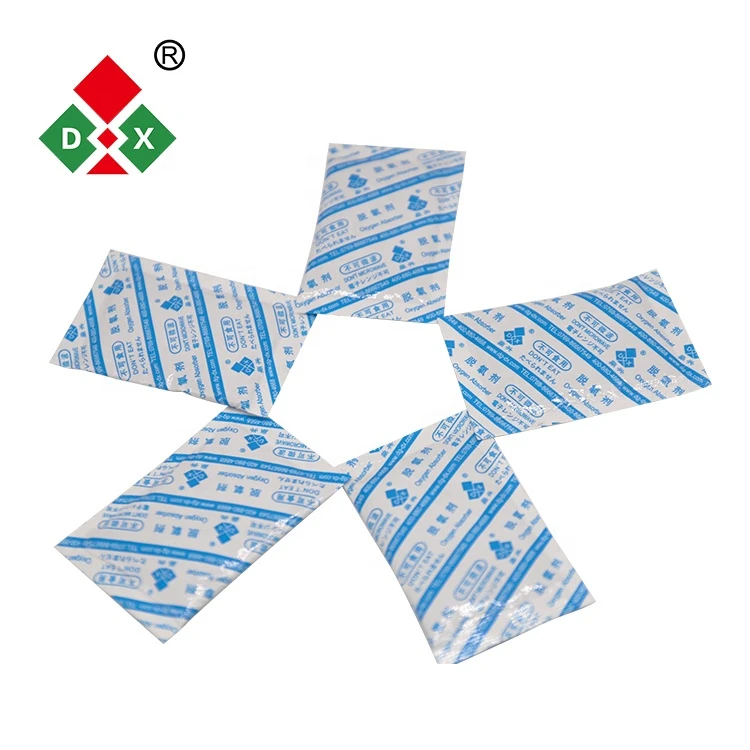
Oxygen absorbers are small packets or sachets that contain substances capable of removing oxygen from the surrounding environment. The most common type of oxygen absorber uses iron powder. When the iron powder comes into contact with oxygen and moisture, it undergoes an oxidation reaction, which can be represented by the following simplified chemical equation:
4Fe + 3O₂+ 6H₂O → 4Fe(OH)₃
This reaction effectively consumes oxygen from the air inside the food packaging, creating an oxygen - free or low - oxygen environment. As a result, the rate of oxidation and microbial growth is significantly reduced, extending the shelf life of the food.
Our Iron Powder Oxygen Absorber Bags are designed with high - quality iron powder and a porous material that allows for efficient oxygen absorption. They are carefully calibrated to ensure that they can absorb a specific amount of oxygen within a certain period, depending on the size and type of the food package.
Can Oxygen Absorbers Be Used in Baby Food?
The use of oxygen absorbers in baby food is a complex issue that involves both regulatory and safety considerations.
Regulatory Perspective
In many countries, the use of food additives and packaging materials in baby food is strictly regulated. Oxygen absorbers are considered food packaging aids, and their use must comply with relevant food safety regulations. For example, in the United States, the Food and Drug Administration (FDA) has specific guidelines regarding the use of food contact substances, including oxygen absorbers. These guidelines ensure that the materials used in oxygen absorbers do not pose a risk of migration of harmful substances into the food.
In the European Union, the European Food Safety Authority (EFSA) also evaluates the safety of food packaging materials. Oxygen absorbers that meet the strict safety standards set by these regulatory bodies can be used in baby food packaging.
Safety Considerations
From a safety perspective, oxygen absorbers must be designed and used in a way that prevents any direct contact with the baby food. Most oxygen absorbers are packaged in sachets made of food - grade materials that are permeable to oxygen but prevent the contents from leaking into the food. Additionally, the packaging of baby food with oxygen absorbers should be clearly labeled to indicate the presence of the oxygen absorber and to warn consumers not to consume it.
However, there are still concerns among some parents about the potential risks associated with oxygen absorbers. For example, if the sachet is damaged or broken, there is a theoretical risk of the iron powder or other components of the oxygen absorber coming into contact with the food. To address these concerns, our Oxygene Absorber Food Packet is designed with a high - strength and tear - resistant material to minimize the risk of damage during handling and transportation.
Benefits of Using Oxygen Absorbers in Baby Food
Despite the concerns, there are several significant benefits to using oxygen absorbers in baby food.
Extended Shelf Life
One of the primary advantages is the extension of the shelf life of baby food. By reducing the oxygen content in the packaging, the rate of spoilage is slowed down. This means that baby food can be stored for a longer period without losing its nutritional value or quality. For parents, this means less waste and more convenience, as they can stock up on baby food without worrying about it going bad quickly.

Preservation of Nutritional Value
Oxygen can cause the degradation of vitamins and other nutrients in baby food. For example, vitamin C is highly susceptible to oxidation. By using oxygen absorbers, the loss of these essential nutrients can be minimized, ensuring that babies receive the full nutritional benefits from the food.
Prevention of Microbial Growth
As mentioned earlier, oxygen provides a suitable environment for the growth of aerobic microorganisms. By creating a low - oxygen environment, oxygen absorbers can help prevent the growth of molds, yeasts, and bacteria in baby food, reducing the risk of foodborne illnesses.
Case Studies and Research
Several studies have been conducted on the use of oxygen absorbers in food products, including baby food. A research project at a leading food science institute found that baby food packaged with oxygen absorbers had a significantly lower rate of mold growth compared to those without oxygen absorbers. The study also showed that the nutritional content of the baby food, such as the vitamin C and iron levels, remained more stable over time when oxygen absorbers were used.
In a real - world case, a major baby food manufacturer started using oxygen absorbers in their packaging. They reported a decrease in product returns due to spoilage and an increase in customer satisfaction. The use of oxygen absorbers also allowed them to expand their market reach, as the longer shelf life made it easier to distribute the products to more remote areas.
Conclusion
In conclusion, oxygen absorbers can be used in baby food, provided that they meet the strict regulatory requirements and safety standards. The benefits of using oxygen absorbers, such as extended shelf life, preservation of nutritional value, and prevention of microbial growth, outweigh the potential risks when proper precautions are taken.
As a supplier of Oxygen Absorber Food, we are committed to providing high - quality oxygen absorbers that are safe and effective for use in baby food packaging. Our products are designed to meet the most stringent safety and performance standards, and we continuously invest in research and development to improve their quality.
If you are a baby food manufacturer or a distributor interested in using oxygen absorbers in your products, we invite you to contact us for more information. We can provide you with samples, technical specifications, and guidance on the proper use of our oxygen absorbers. Let's work together to ensure the quality and safety of baby food for the next generation!
References
- "Food Packaging: Principles and Practice" by Tom Robertson
- Research reports from leading food science institutes on the use of oxygen absorbers in food products
- Industry case studies on the application of oxygen absorbers in baby food packaging


