


Record package, exposure, card reading and sample disposition together.
A humidity indicator card and a desiccant pack give you different evidence in a packaging trial. The desiccant is meant to adsorb moisture under the defined conditions, while the card is read according to its specified threshold indicators and instructions. To learn anything from the combination, record the package, contents, each item and where it sits, the exposure history and the time of reading. A single photo of a card at the end is difficult to interpret without that record.
A humidity indicator and desiccant trial should compare identified packs under agreed packaging and handling conditions. Dingxing lists silica gel strip packets, which can be considered when the intended package needs a particular geometry or dispensing arrangement. Confirm exact packet construction and current technical information. Ask the card supplier for the threshold range and reading instructions for the actual model, and have the quality owner set the evaluation purpose and acceptance basis.
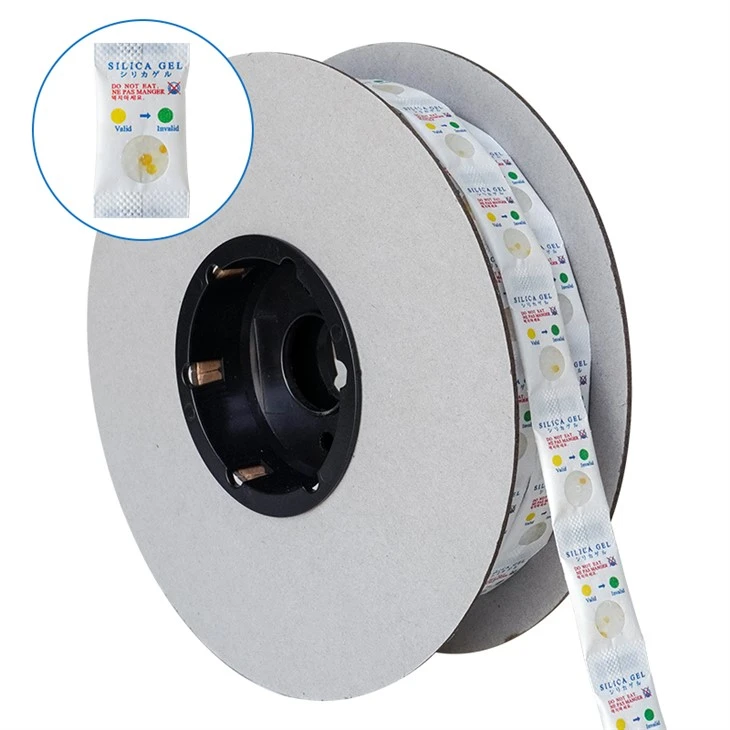
Dingxing silica gel strip packets · Dingxing desiccant range
Define what a successful pack needs to show
Start with the product and intended storage or transit situation. Identify the exposure conditions and the decision that will follow. A packaging trial may screen a new pouch, compare packet formats or check how a detection plan behaves at opening. Describe which question this run is meant to answer. A card's color can support a reading under its instructions. It cannot by itself verify every item in the package or provide a continuous humidity history.
Give each pack a visible identifier and keep the material and lot references in the associated record. Record package dimensions and contents as needed, along with the specific barrier, closure and packing procedures authorized for the product. Ask who verifies the starting condition and which readings are part of the evaluation. A meaningful comparison depends on knowing what was different about the actual samples, rather than trusting a proposed package drawing alone.
Ask whether the test represents a real handling period or a controlled screening exercise. The two can provide different kinds of evidence. If an exposure is simulated, state the conditions and boundaries the approved owner set. If products are transported or stored in different channels, show which routes the test addresses. Preserve conditions at the starting point so that a later failure or unexpected change can be associated with the correct packaging scope.
Record the card and packet as two components
| Field | What to capture | Why it matters |
|---|---|---|
| Package and product | Sample ID, contents, barrier and closure reference | Connects results to the actual pack construction |
| Indicator card | Exact model, lot, thresholds and documented reading method | Makes color observations interpretable |
| Desiccant pack | Exact item, lot, agreed quantities and placement | Shows which configuration was evaluated |
| Exposure and opening | Relevant times, authorized conditions and actual opening sequence | Separates the closed pack result from handling after opening |
| Disposition | Observed state, applicable requirement and accountable reviewer | Shows what the evidence does and does not authorize |
Use the supplier's instructions for card storage, handling and interpretation. Differences in product chemistry, indicators and conditions mean the buyer should not assume every card uses the same colors or time window. Agree when and how the readings will be recorded. If an indicator image is permitted, link it to the sample and any applicable reading instructions. Lighting, viewing conditions and elapsed time matter to what another person can verify from a photograph.
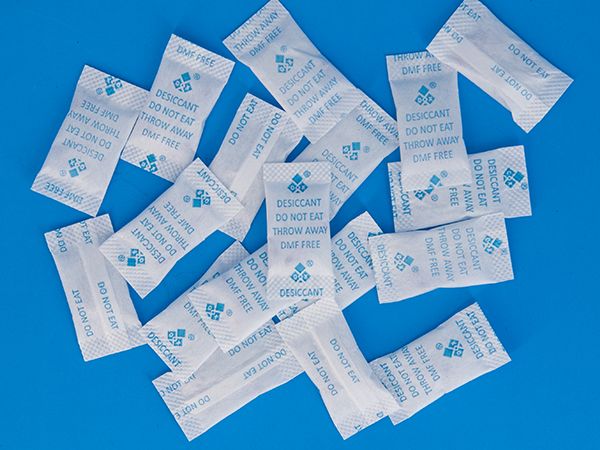
Keep the placement drawing simple
Use one sketch showing the product orientation, packet and card position within the approved packaging arrangement. Label what the sketch represents and record actual deviations. Ask whether any proposed contact or location is appropriate for the intended product before use. Do not assume a marketing picture or an example pack proves compliance or compatibility for an application.
Preserve what happens between sealing and reading
Assign time and ownership for the agreed events. Record the date the material was packed, exposure under the authorized scope and actual time opened or read as relevant. A sample may be moved, inspected or delayed before its planned reading. Preserve those events so the quality team can decide whether the observation is still useful. If someone opens a pack earlier than planned, do not overwrite the original schedule to make it match.
For an illustrative exercise, the team seals two sample pouches using an approved comparison plan. One remains in the defined evaluation area for the full period. The other is removed for an unrelated inspection and its opening time is missed. The second record should show what is missing. A later color observation can be preserved as such without giving it the same evidentiary status as a documented reading under the original plan.
Where you need a history over time, ask whether the qualified plan needs validated logging equipment or another authorized method. A spot indicator does not substitute for that history. Compare readings only under the scope of the applicable device and documentation. Have the owner decide what the final condition means for the product, rather than treating an indicator threshold as a generic safety or quality conclusion.
Carry the approved trial into a usable order
Ask the seller to confirm the exact packet material and format, packing, lot and matching documents for the actual offer. If the indicator card comes from another supplier, identify which reference its evidence covers and how both items arrive at receiving. Confirm which details the packaging owner must verify separately and who will respond to a documentation question. A packet and card approved for one test scope should not automatically carry the same approval to another product or transportation condition.
Give receiving a way to preserve the trial evidence
Include the exact ordered references and permitted conditions for identifying and protecting the items. Have the warehouse record discrepancies under its approved process. If items are purchased in a larger pack or handled in a different dispensing workflow, ask the responsible technical owner what needs to be rechecked. Preserve the supplier acknowledgment and the actual markings so a changed offer is recognizable on arrival.
Decide how to repeat a trial if the result is ambiguous. A quality owner might request a comparable run, different approved observation method or better starting-condition documentation. Write the question and applicable scope before scheduling the repeat. Keep the original result available, even if it supports only part of a conclusion. A separate recording of the sample identity and protocol can be more useful to the next buyer than a merged report that gives no clue how the samples differ.
When approving the sourcing file, give the packaging team the exact documents it needs to run the normal process. Provide the buyer with the accepted sample and component reference, requested quantities and documentation expectations. If transit conditions or packaging materials change, route the assessment to the technical team before making a broader claim. The filed trial should allow a reviewer to tell who packed the samples, which card and packet were tested, and which condition remained unknown. That is the evidence the next purchasing decision can reuse.
Add a sample sheet the packing team can actually complete
Give the operator fields for article identity, actual pack and item identifiers, starting time, approval reference and any difference noticed. Provide the quality reviewer the detailed method separately. The person closing the pack does not need to interpret the final card reading, and the person reviewing it should know what the operator can reliably confirm. Mark the required handoff and where the original record is stored.
A useful comparison might include a pack that represents the normal shift and one approved alternative being evaluated. Preserve exactly what differs and avoid changing every material at once. If the supplier sends a sample packet with a different label from the eventual order, ask it to confirm the relationship. The eventual production item should remain identifiable from its paperwork and actual packaged condition.

Make each repeat's scope visible. For example, trial documentation might support a particular enclosed arrangement and a limited storage interval. If you later need to evaluate another product size or an extended route, give it a new protocol and compare results only when appropriate. Ask when logistics needs notification and who can decide whether the old approval still applies. Retain the result under the exact set of products and conditions observed so the next team is not forced to infer which shipment or pack the evidence describes.
Ask whether different item lots must be kept separate when preparing the samples. The actual packaging and card records should support that distinction where the evaluation depends on it, even when the proposed configurations look the same.
Questions before the packaging test
Does card color show the entire shipment's moisture history?
Read the card only within its stated method and test conditions. If you need time history, discuss appropriate validated evidence with the quality owner.
How should we select a card range?
Use the intended product requirements and the applicable instructions for the card. Ask the appropriate owner to confirm the needed threshold and acceptable reading basis.
Can we compare two packet sizes from a photograph?
Ask for exact specifications and use an approved packaging trial with relevant conditions. A photograph may identify form but cannot establish effectiveness or suitability.
What if a sample was opened early?
Preserve the actual dates and circumstances, label any later readings and have the evaluation owner determine what the record supports or whether a repeat is needed.
Can the same record cover another packaging material?
Keep the actual material and closure scope visible. Ask the quality owner which findings remain applicable and which require a separate evaluation.
What should Dingxing receive in the first inquiry?
Send the product and planned pack outline, proposed environment, quantities, exact documentation needs and authorized trial scope. Ask what packet formats and relevant evidence the supplier can provide.
Request the exact desiccant pack and trial information
Share the indicative packet form, intended packaging scope and evidence needs with Dongguan Dingxing. Ask for the exact item, applicable documents and current sample arrangements.


