


DESICCANT FEEDER QUALIFICATION
Qualify silica gel strip packets using the actual automatic feeder, the approved packet drawing and the intended receiving and insertion checks. Verify that the strip advances, separates and reaches its intended position under documented conditions. Track rejects, stops and manual interventions. A strip that dispenses by hand can still fail when the proposed reel, sensor or separation arrangement is used.
Dingxing lists customized silica gel strip packets. Obtain the drawing and lot information for the actual sample, including dimensions, spacing or separation details and reel presentation where applicable. Review the packaging and intended product-contact requirements separately with the responsible team. A feeder trial demonstrates mechanical handling of a particular packet and setup; it does not establish suitability or regulatory compliance for a packaged product.
Track the strip from unwind to insertion, with any rejects, stops and restart evidence.
View the related product or series
Silica gel strip packet feeder qualification starts at the drawing
Record the feeder configuration, approved path, orientation, reel or unwind arrangement and insertion target. Ask the supplier to mark the relevant packet and strip dimensions and tolerances. Agree which features are detected or used for advance and separation. Confirm requirements from the machine owner and hold unresolved items rather than inferring them from a similar strip.
Ask which end or surface enters the feeder first and what label will identify the lot. Include the carrier width and winding arrangement where relevant. Have authorized personnel check the installed configuration under the machine's approved procedure. Do not improvise access or bypass safeguards to complete a trial. Keep settings in the authorized machine record.
| Trial point | What to record | What can change the decision |
|---|---|---|
| Unwind | Reel identity, orientation and observed condition | Misalignment or damaged strip |
| Index and separation | Advancement evidence, ambiguous reads and incomplete releases | Missed or double packet, damaged seal |
| Insertion | Intended position, approved observation and reject record | Packet absent, displaced or damaged |
| Restart and changeover | Approved interruption, restart result and affected pack IDs | First units cannot be reconciled |
| Release | Sample lot, accepted configuration and decision owner | Proposed changes invalidate earlier check |
Run realistic conditions and count decisions separately
Evaluate normal operation and representative approved restarts or reel changes. Define which samples and conditions belong to each run. For illustration, if 100 insertion opportunities are planned, with 96 accepted inserts, two recorded rejects and two missed observations, report all three categories. Do not rewrite the missed observations as accepted results. Agree how to repeat a condition if part of its record is missing.
Inspect packet and package condition according to the approved method before and after the run. If a seal is torn or a packet is not in the intended location, preserve the identity and context. A later reviewer should see whether the problem appeared at unwind, separation or insertion. Keep feeder handling and the desiccant's product-specific moisture or compatibility evidence distinct.
Link the trial to packaging and receiving
Identify the accepted drawing, lot, reel condition and feeder reference. Ask how the supplier will document a change to arrangement, materials or packaging. List which checks should be repeated and keep the original report tied to the released item. Sample approval should state if a run covers only a particular machine, pack or speed range. If a different customer package is proposed, recheck the relevant dimensions and review every required suitability claim separately.
Indicate which dimensions actually drive feeder behavior
Ask the machine owner to distinguish strip features that affect tracking, indexing, separation and package placement. Record the applicable tolerances from the approved drawings or technical documents. An outside packet width can be useful while still leaving the feeder unable to identify where the intended separation occurs. Capture reference edges, orientation and the relevant positions. Ask the supplier what it will measure on the proposed sample and how the buyer can verify that it is the same construction.
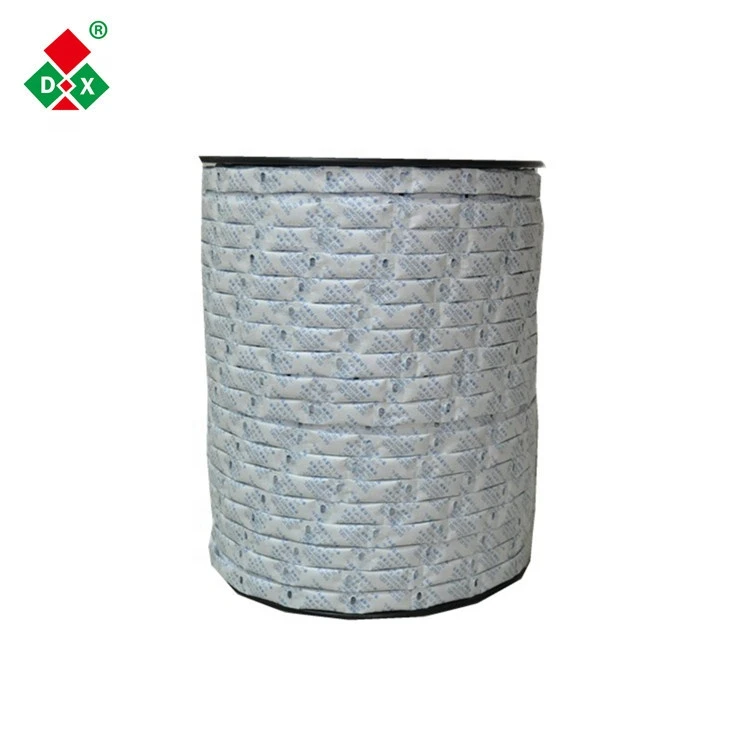
Give receiving a photograph or marked section showing the approved reel and strip representation. Include how it is identified and how preparation will be controlled according to the authorized process. A packaging team may receive a correct packet as a loose item when the desired test actually requires a reel in a particular orientation. Make that distinction on the purchase line. Ask the vendor to name whether the sample packing is representative of volume supply and which details may change.
For a machine with several approved settings, ask which specific setup and speed are under review. Mark what is being tested as an operating condition rather than publishing a production-speed claim. A careful manual evaluation at one condition can help isolate a material question, while the production sample must demonstrate the relevant operating behavior. Keep authorization and measurement with the machine owner.
Observe separation and placement as separate events
A strip can advance to the right position but separate incorrectly. It can separate correctly yet fail to land in the approved target. Record each event with the sample and time or run reference. If the site inspects sealed packs later, link inspection to the correct production or trial portion. Avoid assigning every fault to the strip supplier merely because a missing packet was discovered downstream. Preserve the evidence that shows at which stage behavior changed.
Ask the process owner which outcomes matter most: missed feed, extra packet, damaged seal or incorrect position, for example. Put categories in the worksheet before running the trial. Label cases where inspection was obstructed or a result was not collected. If the same opportunity shows more than one observed problem, record the method used to count it so totals can be interpreted. Separate active trial time from delays to make the evidence meaningful to the customer.
If evaluating restart, check which operations the approved procedure allows and how the first sampled units will be handled. Record start and stop conditions and the disposition of affected products or packets. Do not bypass checks while trying to capture an odd result. If a normal operation ends with a known gap, ask the owner to decide whether an observed change belongs to the feeder, packing or handling investigation. Keep photographic and inspection records matched to the trial identity.
Tie the accepted test to the order and future changes
Ask the supplier to state what matches the accepted sample, including the strip, construction, packaging and reel identity. Identify what paperwork and dimensions accompany a volume quote. If a substitute strip or reel is offered, document differences and arrange an appropriate review before releasing it. Keep quality and regulatory requirements for the intended packed goods in their own approval records. Trial evidence for mechanical insertion will not supply those approvals on its own.
Before accepting the quote, identify who has authority to change strip or feeder conditions and which checks must repeat. A different package or format can change placement even if the strip looks similar. Specify whether the approved trial covers reel replacement, change of pack type or a particular restart. Keep the decision tied to the actual sample and process. If something remains untested, mark it clearly and decide which owner obtains the evidence.
Provide operations with a dated worksheet showing the eligible conditions, accepted evidence and how to report an exception. Attach the supplier and sample identifiers. When a separate incoming lot reaches the line, compare the relevant supplied information with the accepted references and preserve any discrepancies. This gives the warehouse, packing supervisor and technical buyer a shared record rather than expecting them to interpret a single video of a successful insertion.
An acceptance table can include planned quantity, actual opportunities, observed rejects and incomplete records for each speed or condition specified by the approved plan. Where an operator makes a normal intervention, record it and the affected portion separately. This helps the buyer compare a sequence that ran without interruption with one that required repeated approved handling. Include any relevant storage or receiving observations for the strip and attach the drawing revision. If the quote uses a new reel outside the tested arrangement, note what remains to be checked before treating it as a production substitute. The receiving team should know whether to look for a roll code, lot mark or one supplier document that identifies the approved contents. The final trial packet should name the supplier and equipment responsibilities and describe which observations support release. A material claim for the packaged product, where required, should be covered by the separate applicable evidence and decision owner. Keep that requirement visible to purchasing without presenting the mechanical trial as an application approval.
Questions from packaging teams
Is a manual tear check enough?
It can be an early observation. Test the approved feeder and document its actual performance.
What if the first packets after restart differ?
Keep them as a distinct part of the approved trial and record their disposition.
Can a change in strip dimensions require requalification?
Check agreed tolerances and feeder compatibility for the exact change.
Does feeding approval prove suitability for food or other products?
Obtain the relevant documentation and application approval separately.
Should I record every reject?
Record the categories and affected opportunities according to the agreed plan so results are traceable.
What should Dingxing receive before quoting?
Send feeder details, strip drawing, intended packaging and acceptance criteria. Ask for the sample and packing record.
Request a strip packet sample
Send Dingxing your feeder interface, accepted lot requirements and intended sequence. Ask for a matching strip drawing and documented sample proposal.


