


Tribological properties refer to the study of friction, wear, and lubrication between interacting surfaces in relative motion. When it comes to bentonite clay desiccant, understanding its tribological properties can offer valuable insights into its performance, especially in applications where it may come into contact with other materials. As a supplier of Bentonite Clay Desiccant, I have had the opportunity to explore these properties in depth and share my findings here.
Composition and Structure of Bentonite Clay Desiccant
Bentonite clay is primarily composed of montmorillonite, a type of phyllosilicate mineral. Its unique crystal structure consists of stacked layers with a large surface area. These layers can expand and contract depending on the moisture content, which is one of the reasons why bentonite clay is an excellent desiccant. The ability to adsorb and desorb water molecules is directly related to its tribological behavior.
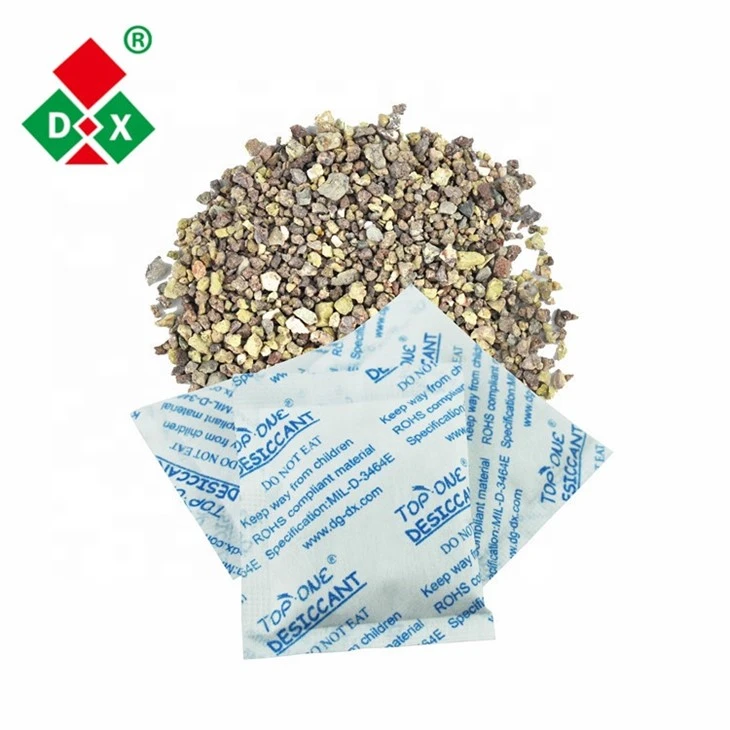

Friction in Bentonite Clay Desiccant
Friction is a crucial tribological property. When bentonite clay desiccant is in contact with another surface, the friction coefficient depends on several factors. The moisture content of the bentonite clay plays a significant role. When the clay is dry, the friction coefficient is relatively high because the layers of montmorillonite are in close contact, and there is more resistance to relative motion. As the clay adsorbs moisture, the layers expand, and the friction coefficient may decrease.
In industrial applications, the friction of bentonite clay desiccant can affect the handling and processing of products. For example, in the packaging industry, if bentonite clay desiccant packets are used, the friction between the packets and the packaging materials can influence the ease of assembly and sealing. If the friction is too high, it may cause difficulties in the automated packaging process, leading to jams or misalignments. On the other hand, if the friction is too low, the packets may move around inside the package, potentially causing damage or uneven distribution of the desiccant.
Wear and Abrasion Resistance
Wear and abrasion resistance are also important tribological properties. Bentonite clay desiccant is generally considered to have good wear resistance, especially when it is in a dry state. The compact structure of the montmorillonite layers provides a certain degree of protection against abrasion. However, when the clay is wet or has a high moisture content, its wear resistance may decrease. The expanded layers are more prone to being damaged or eroded by external forces.
In applications where bentonite clay desiccant is used in environments with high levels of mechanical stress, such as in some manufacturing processes or transportation, understanding its wear and abrasion resistance is crucial. For instance, if the desiccant is used in a vibrating or shaking environment, the wear of the clay particles can lead to the generation of dust, which may contaminate the surrounding products or equipment.
Lubrication Effect
In some cases, bentonite clay desiccant can act as a lubricant. When the clay is in a semi - wet state, the water molecules between the montmorillonite layers can act as a lubricating film, reducing the friction between the surfaces in contact. This lubrication effect can be beneficial in certain applications. For example, in some machinery parts where a small amount of desiccant is used to control moisture, the lubrication provided by the bentonite clay can help reduce wear and extend the service life of the parts.
Applications and Tribological Considerations
Packaging Industry
As mentioned earlier, in the packaging industry, the tribological properties of bentonite clay desiccant are of great importance. Clay Desiccant Uses are diverse, and the friction and wear characteristics of the desiccant packets need to be carefully considered. The packaging materials, such as plastics, papers, or metals, have different surface properties, and the interaction with the desiccant can vary. Manufacturers need to ensure that the desiccant packets can be easily inserted into the packages without causing excessive friction or damage to the packaging materials.
Food and Pharmaceutical Industries
In the food and pharmaceutical industries, Bentonite Clay Desiccant Packets are often used to maintain the dryness of products. The tribological properties are important from the perspective of product safety. The desiccant should not generate dust or debris due to wear, as this could contaminate the food or pharmaceutical products. Additionally, the friction between the desiccant packets and the product containers should be controlled to prevent any damage to the containers during handling and storage.
Electronic Industry
In the electronic industry, Clay Desiccants Packets are used to protect electronic components from moisture damage. The tribological properties of the desiccant are relevant in the assembly and transportation of electronic products. The desiccant packets should not cause any scratches or damage to the delicate electronic components. The friction between the desiccant and the components or the packaging should be minimized to ensure the integrity of the products.
Conclusion
The tribological properties of bentonite clay desiccant, including friction, wear, and lubrication, are complex and depend on various factors such as moisture content, contact surface properties, and environmental conditions. Understanding these properties is essential for optimizing the use of bentonite clay desiccant in different industries. As a supplier of Bentonite Clay Desiccant, we are committed to providing high - quality products that meet the specific tribological requirements of our customers.
If you are interested in our Bentonite Clay Desiccant products and would like to discuss your specific needs, we invite you to contact us for procurement and further negotiation. Our team of experts is ready to assist you in finding the best desiccant solutions for your applications.
References
- ASTM International. Standard test methods for evaluating friction and wear of materials. ASTM D4172 - 16.
- F. P. Bowden and D. Tabor. The Friction and Lubrication of Solids. Oxford University Press, 1950.
- R. L. M. Rodrigues, et al. "Tribological behavior of clay - based materials: A review." Wear, vol. 311, pp. 1 - 11, 2014.


