


In a world where humidity can cause a multitude of problems, from mold growth to damage of valuable items, clay desiccant bags emerge as a reliable solution. As a supplier of high - quality clay desiccant bags, I am often asked about the recommended placement of these bags in a room. In this blog, I will delve into the science behind humidity control and provide practical advice on where to place clay desiccant bags for optimal results.
Understanding the Role of Clay Desiccant Bags
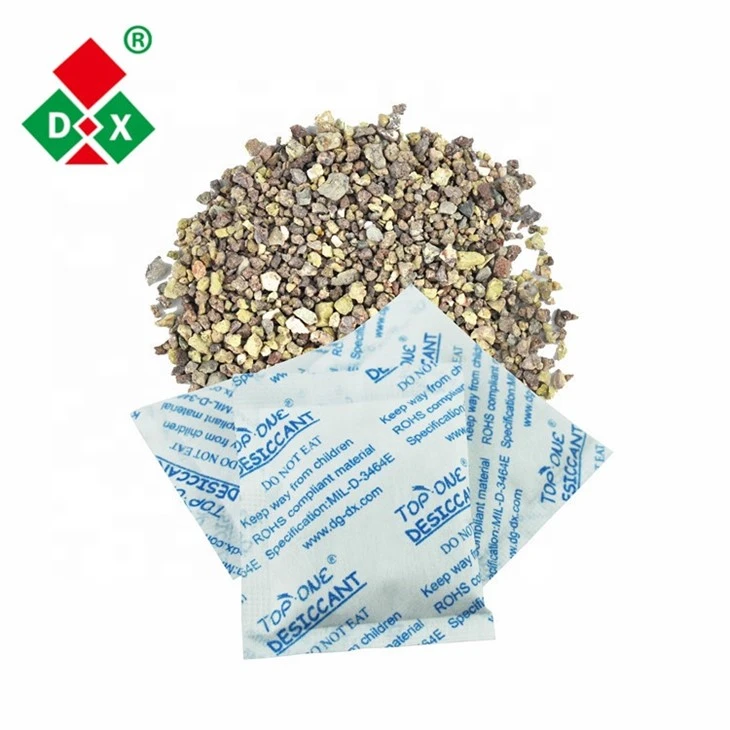
Clay desiccant bags are made from natural clay minerals, such as montmorillonite or bentonite. These minerals have a high affinity for water molecules, allowing them to absorb and retain moisture from the surrounding air. By reducing the humidity level in a room, clay desiccant bags can prevent the growth of mold and mildew, protect wooden furniture from warping, and preserve the quality of electronics and documents.
There are several types of clay desiccant products available, such as Clay Desiccants Packets, Montmorillonite Desiccant, and Bentonite Clay Desiccant Packets. Each type has its own unique properties and absorption capacities, but they all work on the same principle of moisture adsorption.
Factors Affecting Placement
Before discussing specific placement recommendations, it is important to understand the factors that can affect the effectiveness of clay desiccant bags. These factors include the size of the room, the level of humidity, the presence of moisture sources, and the type of items to be protected.
- Room Size: Larger rooms generally require more desiccant bags to maintain a low humidity level. A general rule of thumb is to use one or two small desiccant bags for every 100 square feet of space. However, this can vary depending on the other factors mentioned below.
- Humidity Level: Areas with high humidity, such as basements or bathrooms, will need a greater number of desiccant bags compared to drier rooms. If the humidity level in a room consistently exceeds 60%, additional desiccant may be required.
- Moisture Sources: The presence of water sources, such as leaky pipes, a damp floor, or an open water container, can increase the humidity in a room. These areas should be targeted with desiccant bags to counteract the excess moisture.
- Items to be Protected: Different items have different sensitivities to humidity. For example, wooden furniture, musical instruments, and electronics are particularly vulnerable to moisture damage. Desiccant bags should be placed near these items to protect them.
Recommended Placement Strategies
1. Near Windows and Doors
Windows and doors are common entry points for moisture. During humid weather, warm, moist air can enter a room through small cracks and gaps around frames. Placing clay desiccant bags near windows and doors can help absorb this incoming moisture. You can place a few small desiccant bags on the window sills or hang them near the door frames. This not only reduces the humidity in the immediate area but also helps prevent condensation on the glass, which can lead to water stains and mold growth.

2. In Closets and Cabinets
Closets and cabinets are often dark, enclosed spaces with limited air circulation. These conditions make them ideal breeding grounds for mold and mildew, especially if they contain clothing, shoes, or stored items. Placing a desiccant bag in the back corner of a closet or cabinet can help keep the air dry and protect your belongings. You can also use multiple smaller bags and spread them around the space for more even moisture absorption. If the closet has a tall shelf, placing a bag on the top shelf can also help, as warm, moist air tends to rise.
3. Basements and Crawl Spaces
Basements are usually the most humid part of a house because they are below ground level and often have poor ventilation. A significant amount of moisture can seep through the foundation walls. For basements, it is advisable to place large - capacity desiccant bags along the perimeter walls. You can also place them near any sources of water, such as a sump pump or a water heater. Crawl spaces, which are often damp and poorly ventilated, can benefit from desiccant bags placed in strategic locations to prevent moisture from rising into the living areas above.
4. Underneath Furniture
Furniture, especially wooden pieces, can be damaged by high humidity levels. Placing desiccant bags underneath furniture can help protect it from moisture. For example, you can put a desiccant bag under the legs of a wooden table or sofa. This is particularly important in areas where the floor may be damp, such as near a patio or in a room with a concrete floor. The desiccant will absorb the moisture that rises from the floor and prevent it from reaching the furniture.
5. Around Electronics
Electronics are sensitive to moisture, which can cause corrosion and damage to internal components. Placing a desiccant bag near electronic devices like computers, TVs, and gaming consoles can help maintain a dry environment. You can place a small desiccant bag in the cabinet where the electronics are stored or on the shelf next to them. This is especially important in areas with high humidity, such as coastal regions.
6. In Bathrooms
Bathrooms generate a significant amount of moisture from showers, baths, and sinks. To prevent mold and mildew growth on walls, tiles, and fixtures, place clay desiccant bags in the corners of the bathroom, near the bathtub or shower stall, and on the vanity. The bags will absorb the excess moisture and help keep the air fresh. However, make sure to replace the desiccant bags regularly, as they will reach their saturation point more quickly in a bathroom environment.
Monitoring and Replacing Desiccant Bags
To ensure the continued effectiveness of clay desiccant bags, it is important to monitor their moisture absorption capacity. Most desiccant bags come with an indicator that changes color when they are saturated. Once the desiccant has reached its maximum absorption capacity, it should be replaced with a new bag.
The frequency of replacement depends on the humidity level and the size of the desiccant bag. In high - humidity environments, desiccant bags may need to be replaced every few weeks, while in drier areas, they can last for several months.
Conclusion
Proper placement of clay desiccant bags is crucial for effective humidity control in a room. By considering the factors that affect humidity and strategically placing desiccant bags in areas prone to moisture, you can protect your belongings, prevent mold growth, and create a more comfortable living environment.
As a supplier of clay desiccant bags, I am committed to providing high - quality products that meet your humidity control needs. If you have any questions about our products or need advice on the best placement for your specific situation, please feel free to contact us. We are here to help you make the most of our clay desiccant solutions and ensure a dry and healthy environment.
References
- "Moisture Control in Buildings." Building Science Corporation.
- "Desiccants and Their Applications." Handbook of Adsorption Technology.


