Silica gel desiccants are highly effective moisture absorbers, and their proper use can significantly contribute to the preservation of a piano's condition. As a silica gel desiccant supplier, I understand the importance of maintaining the right humidity levels for musical instruments, especially pianos. In this blog, I will share the proper way to use silica gel desiccant in a piano.
Understanding the Impact of Humidity on Pianos
Pianos are sensitive to changes in humidity. High humidity can cause the wood in the piano to swell, leading to issues such as sticky keys, warped soundboards, and rust on metal parts. On the other hand, low humidity can make the wood shrink, resulting in loose joints, cracked soundboards, and changes in the piano's tuning stability.
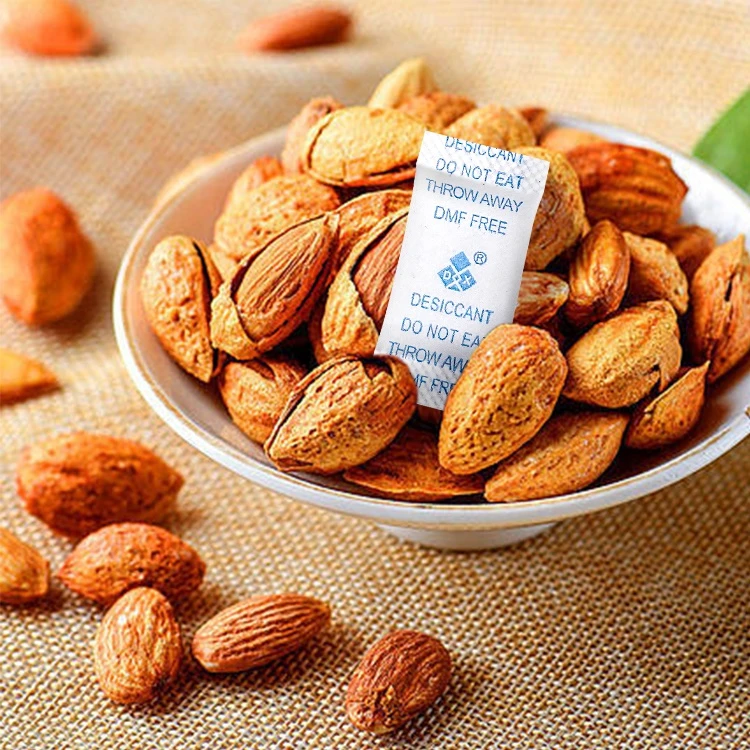

The ideal relative humidity range for a piano is between 40% and 60%. When the humidity deviates from this range, the piano's components can be affected, and its performance and lifespan may be compromised. This is where silica gel desiccants come in handy.
Why Silica Gel Desiccant is Suitable for Pianos
Silica gel is a porous, granular form of silicon dioxide that can absorb and hold large amounts of moisture. It is non-toxic, odorless, and chemically stable, making it a safe and effective choice for use in pianos.
One of the advantages of silica gel desiccant is its ability to indicate when it needs to be replaced or regenerated. Some types of silica gel desiccants change color as they absorb moisture. For example, orange silica gel turns green when it is saturated with moisture. You can learn more about this phenomenon by visiting Silica Gel Desiccant Color Change.
Determining the Amount of Silica Gel Desiccant Needed
The amount of silica gel desiccant required for a piano depends on several factors, including the size of the piano, the humidity level in the environment, and the ventilation in the room.
For a small upright piano in a moderately humid environment, you may need around 1-2 pounds of silica gel desiccant. Larger grand pianos or pianos in very humid areas may require 3-5 pounds or more. It is better to err on the side of using a bit more desiccant to ensure effective moisture control.
Proper Placement of Silica Gel Desiccant in a Piano
The placement of silica gel desiccant in a piano is crucial for its effectiveness. Here are some guidelines on where to place the desiccant:
- Inside the piano cabinet: Place open containers of silica gel desiccant on the bottom shelf or in the corners of the piano cabinet. This helps to absorb moisture that accumulates inside the piano. Make sure the containers are stable and won't spill the desiccant onto the piano's components.
- Near the soundboard: The soundboard is one of the most important and moisture-sensitive parts of a piano. You can place small packets of silica gel desiccant near the edges of the soundboard to protect it from humidity. However, be careful not to block the sound holes or interfere with the piano's acoustics.
- Under the keys: Some pianos have a small space under the keys. You can place a thin layer of silica gel desiccant in a mesh bag or a breathable container in this area to prevent moisture from affecting the key mechanism.
Monitoring and Maintaining the Silica Gel Desiccant
Once you have placed the silica gel desiccant in the piano, it is important to monitor its condition regularly. Check the color of the desiccant if it is a color - changing type. If the desiccant has changed color, it means it has absorbed a significant amount of moisture and needs to be replaced or regenerated.
To regenerate silica gel desiccant, you can place it in an oven at a low temperature (around 250°F or 120°C) for a few hours. Make sure to follow the manufacturer's instructions for regeneration to avoid damaging the desiccant.
Other Considerations
In addition to using silica gel desiccant, there are other steps you can take to maintain the humidity level around the piano:
- Use a hygrometer: A hygrometer is a device that measures the relative humidity in the air. Place a hygrometer near the piano to monitor the humidity level regularly. This will help you determine if the silica gel desiccant is working effectively and if any adjustments are needed.
- Control the room environment: Keep the piano in a room with stable temperature and humidity. Avoid placing the piano near windows, doors, or heating/cooling vents, as these areas can experience rapid changes in humidity. You can also use a dehumidifier or a humidifier in the room to maintain the ideal humidity range.
Silica Gel Desiccant for Food and Other Applications
Silica gel desiccant is not only useful for pianos but also has many other applications. For example, it is commonly used in the food industry to keep food products dry and prevent spoilage. You can find more information about Silica Gel Desiccant For Food and Buy Silica Gel Packets For Food on our website.
Conclusion
Using silica gel desiccant in a piano is a simple and effective way to protect it from the harmful effects of humidity. By understanding the proper way to use silica gel desiccant, including determining the amount needed, proper placement, and monitoring and maintenance, you can ensure that your piano stays in good condition for years to come.
If you are interested in purchasing high - quality silica gel desiccant for your piano or other applications, please feel free to contact us for more information and to discuss your specific needs. We are committed to providing the best desiccant solutions to meet your requirements.
References
- Piano Technician's Guild. (n.d.). Humidity and Your Piano. Retrieved from [Website URL if available]
- Silica Gel Manufacturer's Manual. (Year). [Manufacturer Name]