


Hey there! As a supplier of container desiccants, I've gotten a ton of questions about the different packaging forms of these super - useful products. So, I thought I'd break it all down for you in this blog post.
First off, let's talk about why container desiccants are so important. When you're shipping goods in containers, moisture can be a real pain in the neck. It can cause mold growth, rust, and damage to your products. That's where container desiccants come in. They absorb the excess moisture in the container, keeping your goods safe and dry during transit.
Now, onto the packaging forms. One of the most common packaging forms is the Container Desiccant Bags [/desiccant/calcium - chloride - desiccant/container - desiccant - bags.html]. These bags are pretty straightforward. They're made of a breathable material that allows moisture to pass through and be absorbed by the desiccant inside. The size of these bags can vary depending on your needs. You can get small ones for smaller containers or larger ones for big shipping containers.
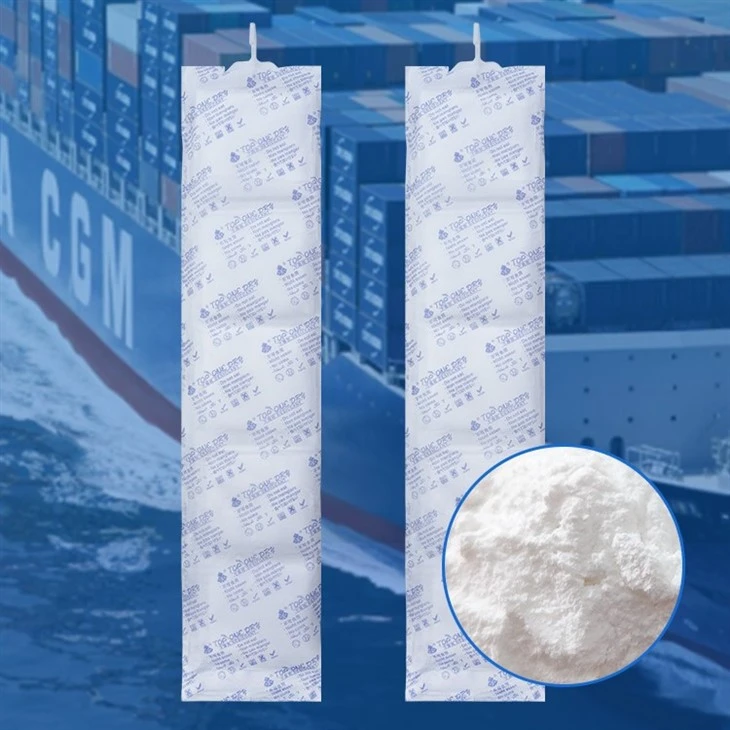

The great thing about container desiccant bags is their versatility. You can easily hang them inside the container using the built - in hooks or ties. This ensures that they're in the best position to absorb moisture from the air. They're also easy to handle and install. You don't need any special tools or training to use them. Just hang them up, and you're good to go.
Another popular packaging form is the Desiccant Bags for Shipping Containers [/desiccant/calcium - chloride - desiccant/desiccant - bags - for - shipping - containers.html]. These are similar to container desiccant bags, but they're specifically designed for the unique conditions of shipping containers. They're usually made with a more durable material to withstand the rough handling during transportation.
These bags often contain a high - performance desiccant, like calcium chloride. Calcium chloride is an excellent moisture absorber. It can absorb up to three times its weight in water, which makes it perfect for long - distance shipping. The desiccant bags for shipping containers are also designed to have a large surface area, which allows for faster and more efficient moisture absorption.
Now, let's talk about the Calcium Chloride Dehumidifier [/desiccant/calcium - chloride - desiccant/calcium - chloride - dehumidifier.html]. This is a bit different from the bag - type desiccants. Instead of being in a bag, the calcium chloride is in a container with a special design. The dehumidifier usually has a tray or a chamber where the calcium chloride is placed.
The advantage of a calcium chloride dehumidifier is that it can be more easily monitored. You can see when the desiccant is saturated and needs to be replaced. Some dehumidifiers even have indicators that show the level of moisture absorption. They're also great for larger containers or areas where you need a more powerful moisture - absorbing solution.
When choosing the right packaging form for your container desiccant, there are a few things to consider. First, think about the size of your container. If you have a small container, a small desiccant bag might be enough. But if you have a large shipping container, you might need a bigger bag or a calcium chloride dehumidifier.
You also need to consider the length of the shipping journey. If it's a short trip, a regular desiccant bag might do the job. But for long - distance shipping, especially across different climates, a high - performance desiccant like calcium chloride in a durable packaging form is a better choice.
Another factor is the type of goods you're shipping. Some goods are more sensitive to moisture than others. For example, electronics and wooden products are very prone to moisture damage. In these cases, you'll want to use a high - quality desiccant in a reliable packaging form to ensure maximum protection.
In addition to these common packaging forms, there are also some other innovative options out there. Some companies are developing desiccant sheets that can be placed on the walls or floors of the container. These sheets are thin and flexible, and they can provide a large surface area for moisture absorption. There are also desiccant canisters that can be placed in strategic locations inside the container.
As a container desiccant supplier, I've seen firsthand the importance of choosing the right packaging form. It can make a huge difference in protecting your goods during shipping. And we're always looking for new and better ways to package our desiccants to meet the changing needs of our customers.
If you're in the market for container desiccants, I'd be more than happy to help you find the right packaging form for your specific requirements. Whether you need a small desiccant bag for a local shipment or a large - scale calcium chloride dehumidifier for international shipping, we've got you covered.
Don't hesitate to reach out if you have any questions or if you want to discuss your options. We can provide you with samples so you can test our desiccants and see how they work in your containers. And we offer competitive prices and excellent customer service.
So, if you're tired of dealing with moisture - related damage to your shipped goods, it's time to invest in high - quality container desiccants. Let's work together to ensure that your products arrive at their destination in perfect condition.
References
- General knowledge about container desiccants from industry experience
- Technical data on calcium chloride desiccants from manufacturers' specifications


