


As a supplier of reusable dehumidifier bags, I often get asked about the capacity of these innovative products. Understanding the capacity of a reusable dehumidifier bag is crucial for consumers to make informed decisions about which product is best suited for their needs. In this blog post, I'll delve into the factors that determine the capacity of a reusable dehumidifier bag, how to calculate it, and why it matters.
What Determines the Capacity of a Reusable Dehumidifier Bag?
The capacity of a reusable dehumidifier bag is primarily determined by two key factors: the type of desiccant used and the size of the bag.
Type of Desiccant
Desiccants are substances that absorb moisture from the air. Different desiccants have varying moisture absorption capacities. The most common desiccants used in reusable dehumidifier bags are silica gel and calcium chloride.
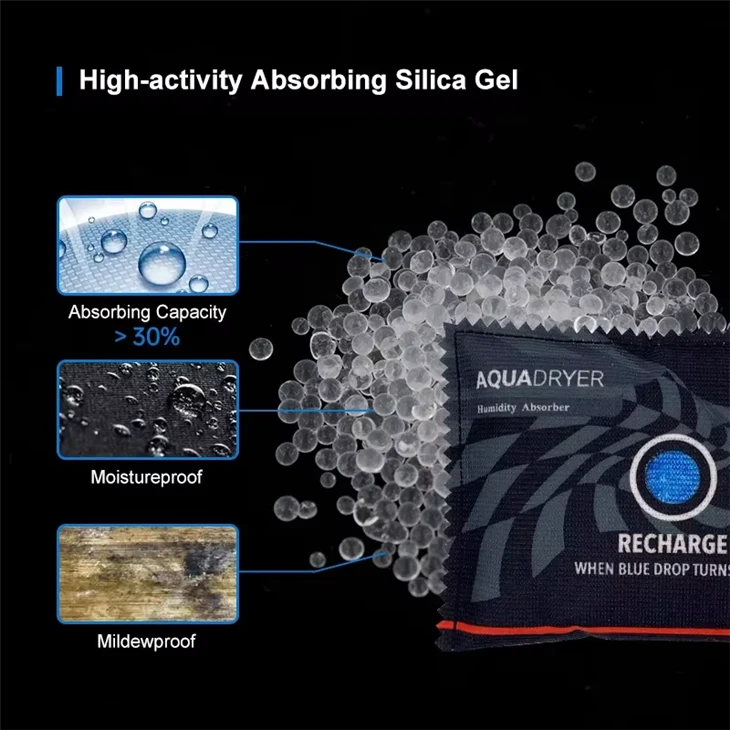
Silica gel is a porous, granular form of silicon dioxide. It is known for its high adsorption capacity and can absorb up to 40% of its weight in moisture. Silica gel is also non-toxic and reusable, making it an ideal choice for dehumidifier bags.
Calcium chloride is a salt that is highly hygroscopic, meaning it has a strong affinity for water. It can absorb up to 300% of its weight in moisture, making it one of the most effective desiccants available. However, calcium chloride is a corrosive substance and can be harmful if ingested. Therefore, it is typically used in dehumidifier bags that are designed for industrial or commercial applications.
Size of the Bag
The size of the bag also plays a significant role in determining its capacity. Larger bags can hold more desiccant, which means they can absorb more moisture. However, larger bags may also be more expensive and less portable.
When choosing a reusable dehumidifier bag, it's important to consider the size of the space you want to dehumidify. For small spaces, such as closets or drawers, a small bag with a capacity of 100-200 grams may be sufficient. For larger spaces, such as basements or garages, a larger bag with a capacity of 500 grams or more may be necessary.
How to Calculate the Capacity of a Reusable Dehumidifier Bag
Calculating the capacity of a reusable dehumidifier bag is relatively simple. You can use the following formula:
Capacity (in grams) = Desiccant weight (in grams) x Moisture absorption rate (%)
For example, if you have a reusable dehumidifier bag that contains 200 grams of silica gel and the silica gel has a moisture absorption rate of 40%, the capacity of the bag would be:
Capacity = 200 grams x 40% = 80 grams
This means that the bag can absorb up to 80 grams of moisture before it needs to be recharged.
Why Does the Capacity of a Reusable Dehumidifier Bag Matter?
The capacity of a reusable dehumidifier bag matters for several reasons.
Effectiveness
A dehumidifier bag with a higher capacity can absorb more moisture, which means it can be more effective at reducing humidity levels in a given space. This can help prevent the growth of mold, mildew, and bacteria, which can cause health problems and damage to your belongings.
Cost-Effectiveness
Using a dehumidifier bag with a higher capacity can also be more cost-effective in the long run. Since you won't need to replace the bag as often, you'll save money on purchasing new bags. Additionally, reusable dehumidifier bags are typically more environmentally friendly than disposable bags, which can help reduce your carbon footprint.
Convenience
A dehumidifier bag with a higher capacity can also be more convenient to use. You won't need to worry about replacing the bag as often, which means you can focus on other things. Additionally, larger bags may be more suitable for larger spaces, which can save you time and effort.
Examples of Reusable Dehumidifier Bags and Their Capacities
As a supplier of reusable dehumidifier bags, we offer a wide range of products with different capacities to meet the needs of our customers. Here are some examples of our products and their capacities:
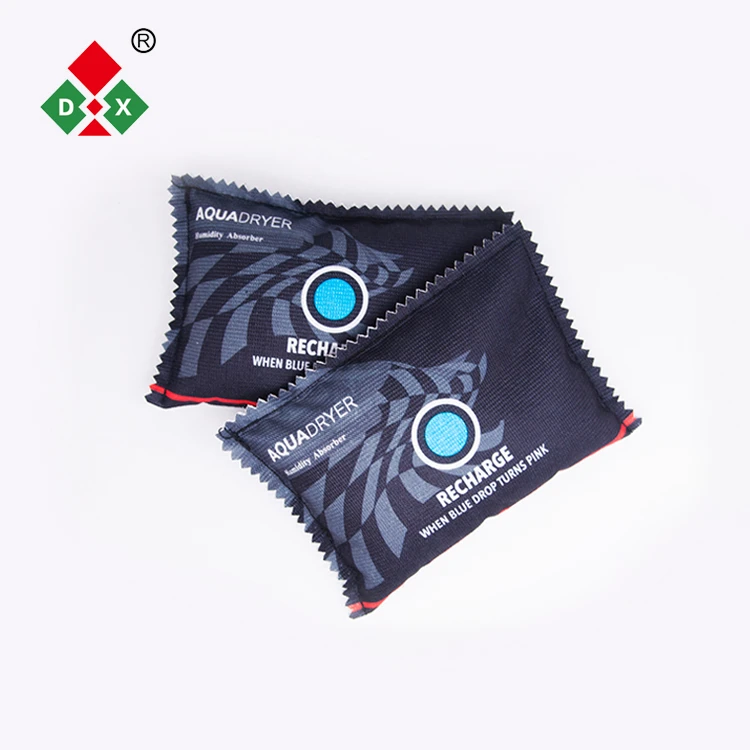
- Car Interior Dehumidifier Bag: This small, portable bag is designed to dehumidify the interior of your car. It has a capacity of 150 grams and can effectively reduce humidity levels in your car, preventing the growth of mold and mildew.
- Dehumidifier Bag For Car 350g: This larger bag is ideal for larger cars or SUVs. It has a capacity of 350 grams and can absorb more moisture, keeping your car interior dry and fresh.
- Reusable Car Interior Dehumidifier Bag: This reusable bag is made from high-quality materials and can be recharged multiple times. It has a capacity of 200 grams and is perfect for keeping your car interior dry and comfortable.
Conclusion
In conclusion, the capacity of a reusable dehumidifier bag is an important factor to consider when choosing a product. By understanding the factors that determine the capacity of a bag, how to calculate it, and why it matters, you can make an informed decision about which product is best suited for your needs.
As a supplier of reusable dehumidifier bags, we are committed to providing our customers with high-quality products that are effective, cost-effective, and convenient to use. If you have any questions about our products or would like to discuss your dehumidification needs, please don't hesitate to contact us. We look forward to working with you to find the perfect solution for your home or business.
References
- "Silica Gel: Properties and Applications." ScienceDirect.
- "Calcium Chloride: Physical and Chemical Properties." Sigma-Aldrich.


