


As a seasoned supplier of container desiccants, I've witnessed firsthand the critical role these products play in safeguarding goods during transit. Container desiccants are essential for preventing moisture-related damage, such as mold growth, rusting, and degradation of products. However, the effectiveness of these desiccants largely depends on how they are placed within the container. In this blog post, I'll share some insights on the best way to place container desiccants to ensure optimal performance.
Understanding the Moisture Dynamics in Containers
Before delving into the placement strategies, it's crucial to understand the moisture dynamics within a shipping container. Containers are often exposed to varying environmental conditions during transit, including changes in temperature and humidity. These fluctuations can lead to the formation of condensation inside the container, which can pose a significant threat to the goods being transported.
Moisture tends to accumulate in certain areas of the container, such as the corners, near the doors, and along the walls. This is because these areas are more likely to be exposed to temperature differentials and external humidity. Additionally, the type of goods being shipped can also affect the moisture levels inside the container. For example, products that are high in moisture content, such as wood, paper, and textiles, can release moisture into the air, increasing the humidity levels inside the container.
Factors to Consider When Placing Container Desiccants
When determining the best way to place container desiccants, several factors need to be taken into account. These include:
- Container Size and Type: The size and type of the container will determine the amount of desiccant required and the placement locations. Larger containers will generally require more desiccant, and the desiccant may need to be placed in multiple locations to ensure adequate coverage.
- Goods Being Shipped: The type of goods being shipped will also affect the placement of the desiccant. For example, if the goods are sensitive to moisture, the desiccant should be placed closer to the products to ensure maximum protection.
- Shipping Route and Duration: The shipping route and duration will determine the environmental conditions that the container will be exposed to during transit. If the container is traveling through areas with high humidity or extreme temperature fluctuations, additional desiccant may be required.
- Desiccant Type and Capacity: Different types of desiccants have different absorption capacities and rates. It's important to choose the right type of desiccant for the specific application and to ensure that the desiccant has sufficient capacity to absorb the moisture within the container.
Best Practices for Placing Container Desiccants
Based on my experience, the following are some best practices for placing container desiccants:
- Place Desiccants Near the Sources of Moisture: As mentioned earlier, moisture tends to accumulate in certain areas of the container. By placing the desiccants near these sources of moisture, you can effectively reduce the humidity levels and prevent condensation from forming. Some common areas to place desiccants include the corners, near the doors, and along the walls.
- Use Multiple Desiccants for Larger Containers: For larger containers, it's recommended to use multiple desiccants to ensure adequate coverage. Place the desiccants evenly throughout the container, paying special attention to the areas where moisture is most likely to accumulate.
- Hang Desiccants from the Ceiling: Hanging desiccants from the ceiling is a popular method for placing desiccants in containers. This allows the desiccant to absorb moisture from the air as it rises, which can help to prevent condensation from forming on the walls and ceiling of the container. Make sure to hang the desiccants at a sufficient height to avoid contact with the goods being shipped.
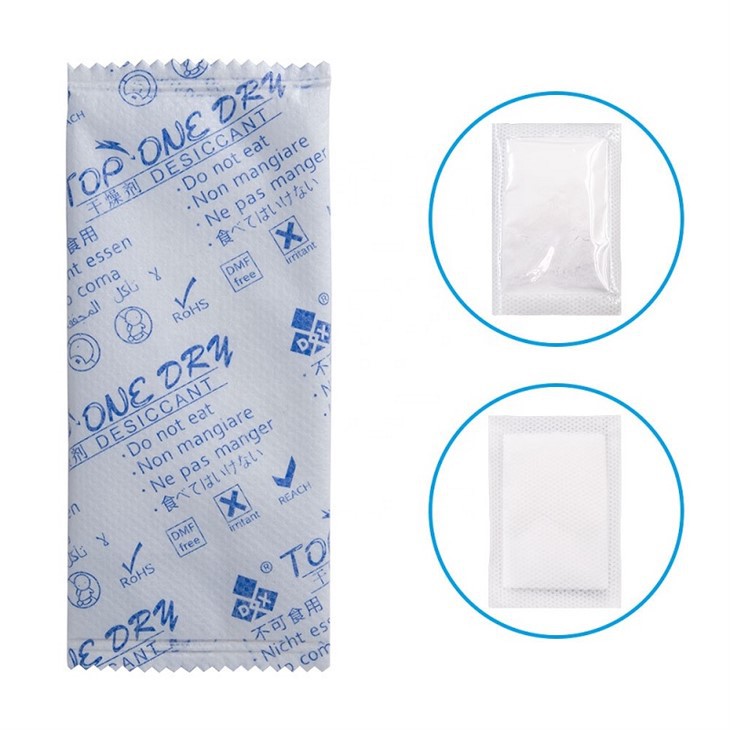
- Place Desiccants Inside Packaging: If the goods being shipped are packaged in boxes or cartons, placing desiccants inside the packaging can provide an extra layer of protection. This is especially important for products that are sensitive to moisture. You can use Calcium Chloride Desiccant Packs For Boxes for this purpose.
- Consider Using a Container Desiccant Dehumidifier: For containers that require a high level of moisture control, a Container Desiccant Dehumidifier may be a suitable option. These devices use a desiccant to absorb moisture from the air and can be programmed to maintain a specific humidity level inside the container.
Specific Placement Strategies for Different Types of Containers
The placement strategies for container desiccants may vary depending on the type of container being used. Here are some specific placement strategies for different types of containers:
- Dry Cargo Containers: In dry cargo containers, desiccants should be placed near the corners, along the walls, and near the doors. You can also hang desiccants from the ceiling to ensure maximum coverage. If the container is being used to transport goods that are sensitive to moisture, such as electronics or pharmaceuticals, additional desiccant may be required.
- Refrigerated Containers: Refrigerated containers are designed to maintain a specific temperature inside the container. However, they can still be prone to moisture problems, especially if the temperature settings are not properly adjusted. In refrigerated containers, desiccants should be placed near the evaporator coils and in the corners of the container. This will help to prevent condensation from forming on the coils and walls of the container.
- Open-Top Containers: Open-top containers are exposed to the elements, which can increase the risk of moisture damage. In open-top containers, desiccants should be placed along the sides and in the corners of the container. You can also cover the goods with a waterproof tarp to provide an extra layer of protection.
Conclusion
Proper placement of container desiccants is essential for preventing moisture-related damage to goods during transit. By understanding the moisture dynamics within a container and considering the factors mentioned above, you can develop an effective placement strategy that will ensure optimal performance of the desiccants. Remember to choose the right type of desiccant for the specific application and to use the appropriate amount of desiccant based on the size of the container and the type of goods being shipped.
If you have any questions about container desiccants or need help developing a moisture control solution for your shipping needs, please don't hesitate to contact us. We are a leading supplier of Calcium Chloride Desiccant Packs and other container desiccants, and we are committed to providing our customers with high-quality products and excellent customer service.

References
- "Moisture Control in Shipping Containers," International Maritime Organization.
- "Desiccants and Their Applications," American Chemical Society.
- "Best Practices for Using Container Desiccants," Container Desiccant Manufacturers Association.


