


Hey there! As a container desiccant supplier, I often get asked about the absorption rate of container desiccants. It's a crucial topic, especially for those who are shipping goods in containers and want to protect their products from moisture damage. So, let's dive right in and explore what the absorption rate of container desiccant is all about.
What is Absorption Rate?
First things first, let's clarify what we mean by absorption rate. Simply put, the absorption rate of a desiccant is the amount of moisture it can soak up within a specific period under certain environmental conditions. It's usually measured as a percentage of the desiccant's original weight. For example, if a 100-gram desiccant can absorb 50 grams of moisture, its absorption rate is 50%.
Factors Affecting Absorption Rate
The absorption rate of container desiccants isn't a fixed number. It can vary based on several factors:
Environmental Conditions
- Humidity: The higher the humidity in the container, the more moisture there is for the desiccant to absorb. In a highly humid environment, desiccants will work harder and reach their maximum absorption capacity faster. For instance, in tropical regions where humidity can often exceed 80%, desiccants need to be more powerful to keep up.
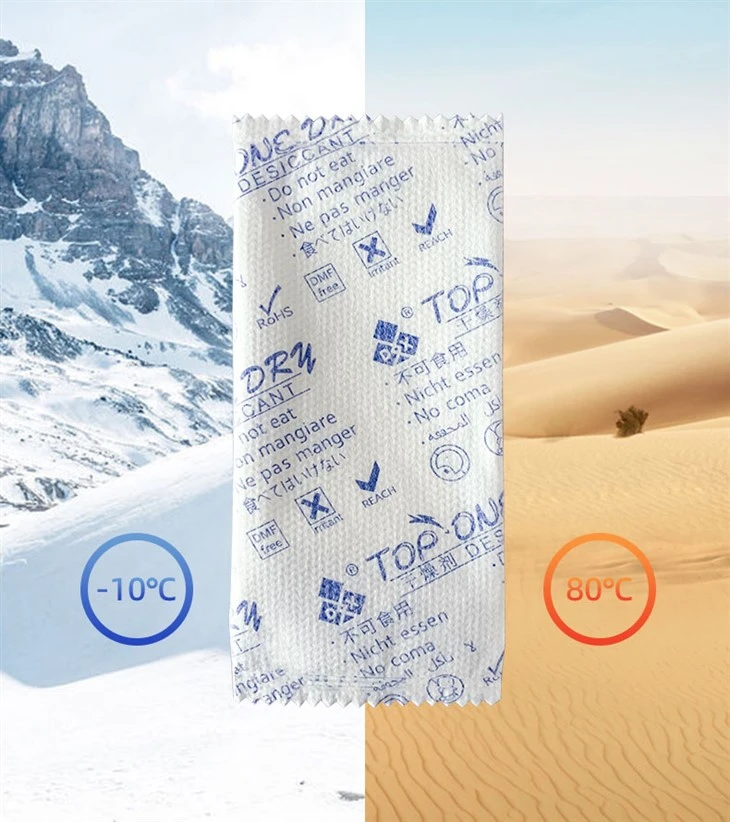
- Temperature: Temperature also plays a role. Generally, warmer temperatures can increase the rate of moisture evaporation, which means more moisture is available in the air for the desiccant to capture. However, extremely high temperatures can sometimes reduce the effectiveness of certain desiccants.
Type of Desiccant
- Silica Gel: Silica gel is a common desiccant. It's known for its stability and ability to absorb moisture at a relatively consistent rate. It can absorb up to 30% of its weight in moisture under normal conditions. Silica gel is great for protecting electronics and other sensitive items as it doesn't release any harmful substances.
- Calcium Chloride: Calcium Chloride Dehumidifier is a powerhouse when it comes to moisture absorption. It can absorb up to 300% of its weight in moisture! This makes it ideal for long - distance shipping and in environments with high humidity. Calcium chloride works by attracting moisture from the air and dissolving in it, forming a liquid brine.
Size and Quantity of Desiccant
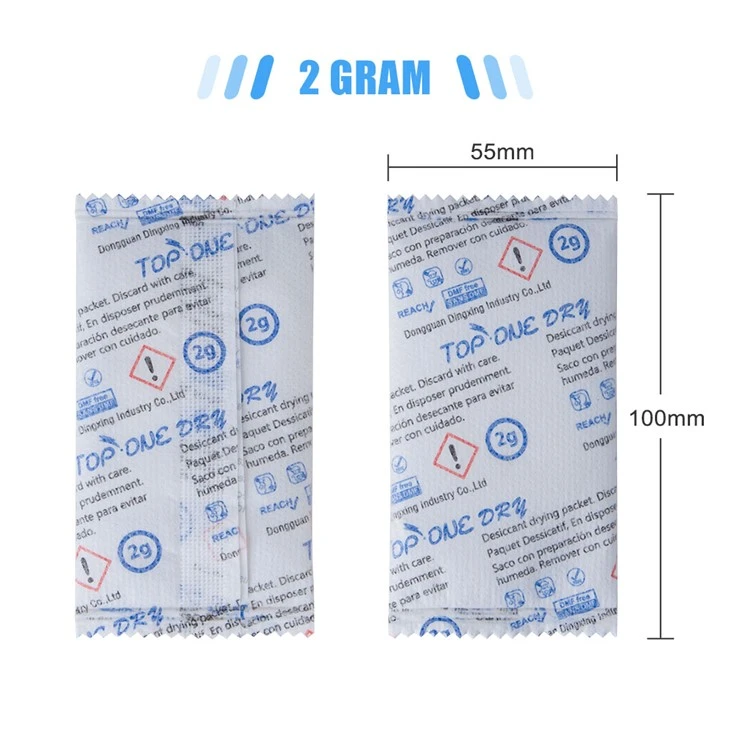
- The size of the desiccant packets or units matters. Larger desiccant packs have more surface area and capacity to absorb moisture. Also, the quantity of desiccant used in a container is crucial. If you don't use enough desiccant, it won't be able to handle all the moisture in the container, leading to potential damage to the goods.
Measuring Absorption Rate
Measuring the absorption rate of container desiccants can be done through laboratory tests. Scientists will place the desiccant in a controlled environment with a known humidity and temperature. They'll weigh the desiccant before and after a set period, usually a few days or weeks. The difference in weight gives them the amount of moisture absorbed, which can then be calculated as a percentage of the original weight.
Why is Absorption Rate Important?
The absorption rate is super important for several reasons:
Protecting Goods
- When shipping goods in containers, moisture can cause all sorts of problems. It can lead to mold growth on products like furniture, clothing, and food. Electronics can be damaged by moisture, resulting in malfunctions. A desiccant with a high absorption rate can help prevent these issues by keeping the container environment dry.
Cost - Efficiency
- Knowing the absorption rate helps in determining the right amount of desiccant to use. Using too much desiccant is a waste of money, while using too little won't protect the goods effectively. By understanding the absorption rate, you can optimize the quantity of desiccant, saving costs in the long run.
Reusing Container Desiccants
Some desiccants can be reused, which is great for the environment and cost - savings. Calcium Chloride Desiccant Reuse is possible in certain cases. After the desiccant has absorbed moisture, it can be dried out by heating it to remove the moisture. Once it's dry again, it can be used for another shipping cycle. However, it's important to note that the absorption rate may decrease slightly with each reuse.
Choosing the Right Container Desiccant
When it comes to choosing the right container desiccant, the absorption rate is a key factor. If you're shipping goods in a high - humidity environment or for a long period, a desiccant like calcium chloride with a high absorption rate is a great choice. Calcium Chloride Desiccant Sachet are convenient and can be placed easily around the goods in the container.
If you're shipping sensitive items that require a more gentle desiccant, silica gel might be the way to go. It has a lower but still effective absorption rate and is less likely to cause any damage to the products.
Conclusion
So, there you have it! The absorption rate of container desiccant is a complex but important concept. It's affected by environmental conditions, the type of desiccant, and its size and quantity. Understanding the absorption rate helps in protecting your goods from moisture damage and ensuring cost - efficiency.
As a container desiccant supplier, I'm here to help you choose the right desiccant for your specific needs. Whether you're shipping across the ocean or just across the country, we have the products to keep your goods dry and safe. If you're interested in learning more or want to start a procurement discussion, don't hesitate to reach out. We can work together to find the best desiccant solution for your shipping requirements.
References
- "Handbook of Desiccants", edited by Arun S. Mujumdar.
- Research papers on moisture control in shipping containers from various scientific journals.


