


As a supplier of Dehumidifier Car Bags, I understand the importance of proper packaging for our products. Packaging not only protects the dehumidifier car bags during transit but also plays a crucial role in attracting customers and providing essential information. In this blog post, I will explore various packaging options for dehumidifier car bags, considering factors such as functionality, sustainability, and marketing appeal.
1. Plastic Packaging
Plastic packaging is one of the most common options for dehumidifier car bags. It offers several advantages, including durability, transparency, and cost - effectiveness.
- Clear Plastic Bags: Clear plastic bags are a simple and practical choice. They allow customers to see the product inside, which is particularly useful as it showcases the dehumidifier bag and its contents. These bags can be sealed tightly to prevent moisture from entering and keep the product fresh. For example, a clear plastic bag can be used to package a Dehumidifier Bag For Car 350g. The 350 - gram size is clearly visible, and customers can easily assess the quality of the bag and the desiccant material.
- Plastic Containers: Plastic containers provide more protection than plastic bags. They are rigid and can withstand more handling during shipping. A plastic container can have a snap - on lid, ensuring a secure closure. This type of packaging is suitable for larger dehumidifier car bags or sets of bags. For instance, if you offer a multi - pack of Car Interior Dehumidifier Bag, a plastic container can hold all the bags together and protect them from damage.
However, plastic packaging also has its drawbacks. It is not the most environmentally friendly option, as plastic takes a long time to decompose. Additionally, some customers may be concerned about the use of plastic due to its potential impact on the environment.
2. Paper Packaging
Paper packaging is a more sustainable alternative to plastic. It is biodegradable and can be recycled, which is an important consideration for many environmentally conscious consumers.
- Cardboard Boxes: Cardboard boxes are a classic choice for packaging. They can be customized in various sizes and shapes to fit different dehumidifier car bags. A well - designed cardboard box can also serve as a marketing tool. You can print product information, usage instructions, and your brand logo on the box. For example, a cardboard box for an Automotive Moisture Absorber can have detailed information about how the absorber works, the benefits of using it in a car, and any safety precautions.
- Paper Bags: Paper bags are another option, especially for smaller dehumidifier car bags. They are lightweight and easy to carry. You can add a handle to the paper bag for convenience. Paper bags can also be printed with attractive designs to enhance the product's appeal.
One limitation of paper packaging is its resistance to moisture. Since dehumidifier car bags are designed to absorb moisture, the packaging needs to be protected from getting wet. Special coatings or laminations can be applied to the paper to increase its moisture resistance.
3. Biodegradable and Compostable Packaging
In recent years, there has been a growing demand for biodegradable and compostable packaging solutions. These options are made from natural materials that break down over time, reducing the environmental impact.
- Biodegradable Plastic Films: There are now biodegradable plastic films available that can be used to package dehumidifier car bags. These films are made from renewable resources such as corn starch or other plant - based materials. They offer similar properties to traditional plastic films, such as transparency and flexibility, but without the long - term environmental consequences.
- Compostable Paper and Cardboard: Compostable paper and cardboard are made from sustainable sources and can be composted at home or in industrial composting facilities. This type of packaging is ideal for customers who are looking for a truly eco - friendly option.
However, biodegradable and compostable packaging can be more expensive than traditional packaging options. This may affect the overall cost of the product, which could be a concern for price - sensitive customers.
4. Hybrid Packaging
Hybrid packaging combines different materials to take advantage of their respective benefits.

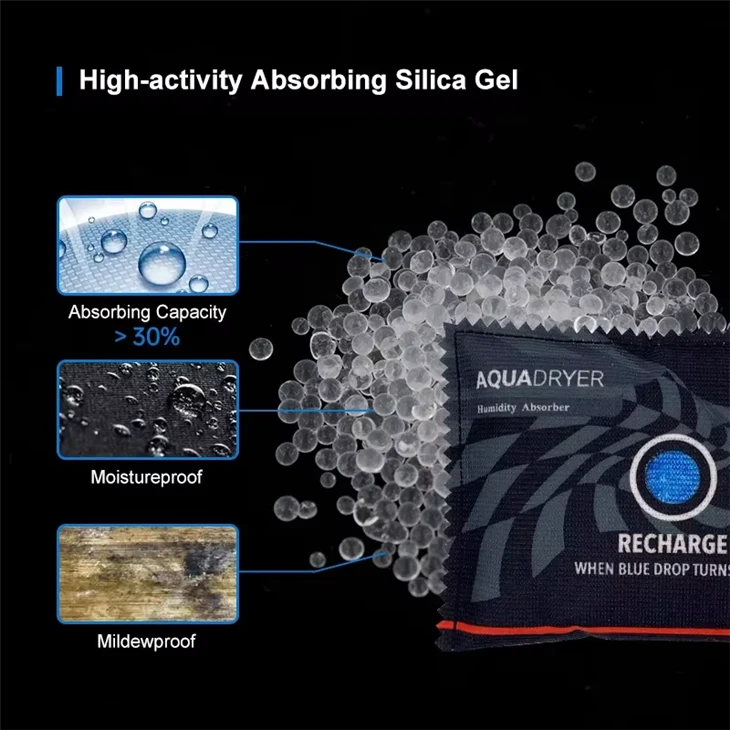
- Plastic - Paper Combinations: For example, you can use a plastic liner inside a paper box. The plastic liner provides moisture protection, while the paper box offers a more sustainable and aesthetically pleasing outer layer. This combination can also reduce the amount of plastic used, making it a more environmentally friendly option.
- Biodegradable Plastic and Cardboard: Another hybrid option is to use a biodegradable plastic bag inside a cardboard box. The biodegradable plastic bag protects the dehumidifier car bag from moisture, and the cardboard box provides structural support and a platform for branding.
5. Considerations for Packaging Design
Regardless of the packaging material chosen, there are several important design considerations.
- Product Information: The packaging should clearly display product information, including the size of the dehumidifier car bag, the type of desiccant used, usage instructions, and any safety warnings. This information helps customers make an informed decision and ensures the proper use of the product.
- Brand Identity: Your packaging should reflect your brand identity. Use your brand colors, logo, and tagline on the packaging to create a consistent and recognizable brand image. This can help build brand loyalty and make your product stand out on the shelves.
- Ease of Use: The packaging should be easy to open and close. Customers should be able to access the dehumidifier car bag without having to struggle with complex packaging. Additionally, if the product is intended for repeated use, the packaging should be designed to allow for easy storage of the used or unused bag.
6. Attracting Customers through Packaging
Good packaging can be a powerful marketing tool. It can attract customers' attention and persuade them to choose your product over competitors.
- Visual Appeal: Use eye - catching colors, graphics, and images on the packaging. For example, you can include pictures of a dry and fresh car interior to illustrate the benefits of using your dehumidifier car bag. A well - designed package can make your product more appealing, especially in a crowded market.
- Differentiation: Highlight the unique features of your dehumidifier car bag on the packaging. If your product has a longer lifespan, is more effective at absorbing moisture, or is made from natural materials, make sure this information is clearly visible. This can help your product stand out from the competition.
7. Contact for Procurement
If you are interested in purchasing our high - quality dehumidifier car bags, we invite you to contact us for further discussion. Our team is ready to provide you with detailed product information, pricing, and any other assistance you may need. Whether you are a retailer looking to stock our products or a distributor seeking a reliable supplier, we are eager to work with you.
References
- Packaging Digest. (2023). The Latest Trends in Sustainable Packaging.
- Marketing Week. (2023). How Packaging Can Drive Product Sales.
- Environmental Protection Agency. (2023). Guide to Biodegradable and Compostable Packaging.


