


Clay desiccant packs are a popular choice for moisture control in various industries due to their effectiveness, affordability, and environmental friendliness. As a supplier of high - quality clay desiccant packs, I am often asked about the ingredients that make up these useful products. In this blog post, I will delve into the key components of clay desiccant packs, explaining their functions and benefits.
Main Ingredient: Clay Minerals
The primary ingredient in clay desiccant packs is clay minerals. These minerals have unique properties that make them excellent at adsorbing moisture. One of the most commonly used clay minerals in desiccants is montmorillonite.
Montmorillonite is a type of swelling clay that has a large surface area and a high cation - exchange capacity. Its structure consists of thin layers that can expand when exposed to water molecules. When moisture is present in the surrounding environment, the water molecules are attracted to the clay's surface and get trapped between the layers. This process is known as adsorption.
The ability of montmorillonite to adsorb moisture is quite remarkable. It can adsorb up to 20 - 30% of its own weight in water under normal humidity conditions. This makes it an ideal choice for keeping products dry during storage and transportation. If you are interested in Montmorillonite Clay Desiccant, you can learn more about it here.
Another type of clay that may be used in clay desiccant packs is bentonite. Bentonite is also a clay mineral that is rich in montmorillonite. It has similar moisture - adsorbing properties and is often used interchangeably with pure montmorillonite in desiccant applications. The natural abundance of bentonite makes it a cost - effective option for large - scale desiccant production.
Additives
In addition to the main clay minerals, clay desiccant packs may contain certain additives to enhance their performance or functionality.
One common additive is a color - indicating agent. Some clay desiccants are designed to change color when they reach their maximum moisture - adsorption capacity. This provides a visual indication that the desiccant needs to be replaced. For example, a desiccant may start off as blue when it is dry and turn pink when it has adsorbed a significant amount of moisture. This feature is particularly useful in applications where it is difficult to monitor the moisture level directly.
Another type of additive is a binder. Binders are used to hold the clay particles together and give the desiccant pack its shape. They ensure that the desiccant remains in a solid form and does not break apart during handling or transportation. Commonly used binders include polymers and natural gums. These binders are carefully selected to be non - toxic and to not interfere with the moisture - adsorption properties of the clay.
Packaging Materials
The packaging of clay desiccant packs is also an important aspect. The packaging material needs to be permeable to moisture but at the same time prevent the clay particles from leaking out.
Non - woven fabrics are commonly used as packaging materials for clay desiccant packs. Non - woven fabrics are made by bonding fibers together, creating a porous structure that allows moisture to pass through easily. They are strong, durable, and can be easily heat - sealed to form a tight package around the desiccant.
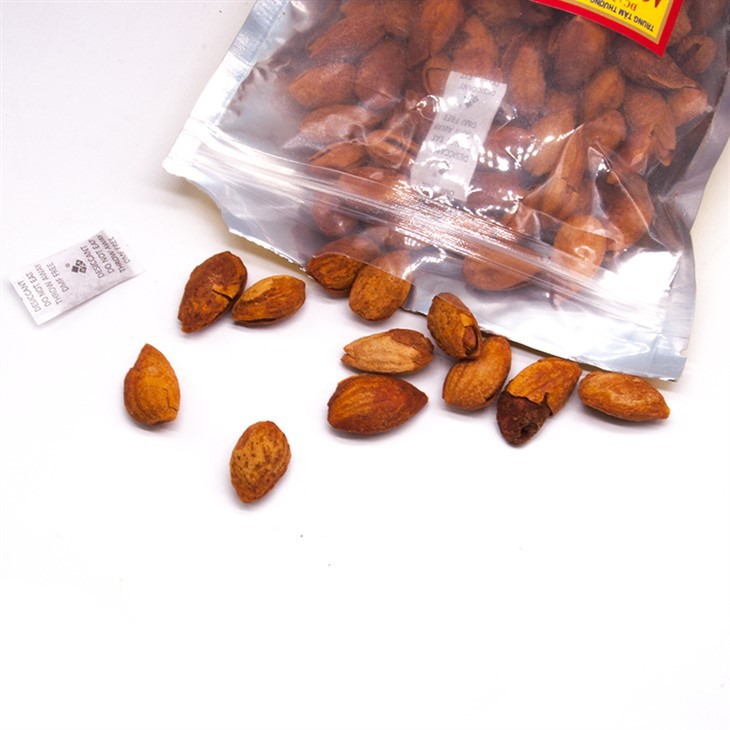
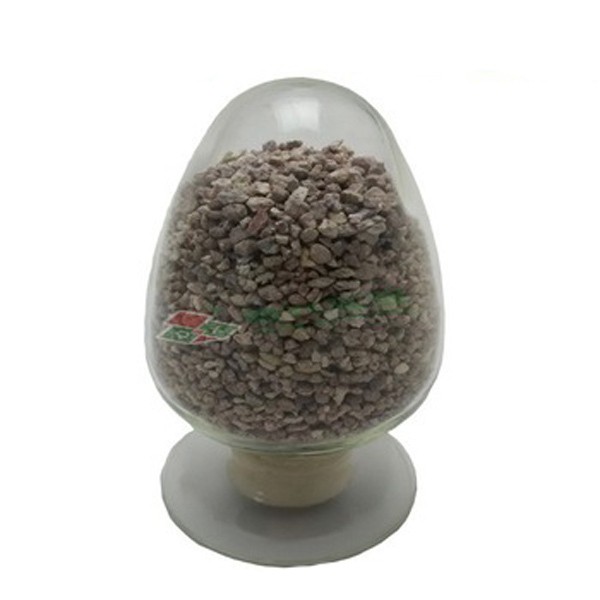
Paper is another option for packaging. Some paper materials are treated to be moisture - permeable while still providing a certain level of protection for the desiccant. Paper packaging is often used for smaller desiccant packs and can be more environmentally friendly compared to some plastic alternatives. If you are looking for Clay Desiccant Bag, you can check out our product here.
Benefits of Clay Desiccant Packs
Clay desiccant packs offer several benefits over other types of desiccants. Firstly, they are environmentally friendly. Clay is a natural material, and the production of clay desiccant packs has a relatively low environmental impact compared to synthetic desiccants. They are also non - toxic and safe to use in a wide range of applications, including food and pharmaceutical packaging.
Secondly, clay desiccant packs are cost - effective. The raw materials for clay desiccants are abundant and inexpensive, which makes the final product affordable for businesses of all sizes. This cost - effectiveness does not come at the expense of performance, as clay desiccants can provide reliable moisture control.
Finally, clay desiccant packs are versatile. They can be used in various industries, such as electronics, textiles, leather, and food. Whether you need to protect sensitive electronic components from moisture damage or keep leather goods dry during storage, clay desiccant packs can be a suitable solution.
Applications of Clay Desiccant Packs
The versatility of clay desiccant packs means they have a wide range of applications.
In the electronics industry, moisture can cause corrosion and short - circuits in electronic components. Clay desiccant packs are often placed inside electronic device packaging to absorb any moisture that may enter during storage or transportation. This helps to extend the lifespan of the electronics and reduce the risk of malfunctions.
In the food industry, clay desiccant packs are used to keep food products dry and prevent spoilage. They can be placed in food packaging to absorb excess moisture, which can otherwise lead to the growth of mold and bacteria. Since clay desiccants are non - toxic, they are safe to use in direct contact with food.
In the textile and leather industries, moisture can cause mildew and discoloration. Clay desiccant packs are used to maintain a dry environment in storage facilities and shipping containers, ensuring that the quality of the products is preserved.
Why Choose Our Clay Desiccant Packs
As a supplier of clay desiccant packs, we take pride in offering high - quality products. Our clay desiccant packs are made from carefully selected clay minerals, ensuring maximum moisture - adsorption capacity. We use advanced manufacturing processes to ensure the consistency and reliability of our products.
We also offer a wide range of options to meet different customer needs. Whether you need small - sized desiccant packs for individual product packaging or large - scale bulk orders for industrial applications, we can provide the right solution. Our Nature Clay Desiccant Packs are a popular choice among customers who are looking for an environmentally friendly and effective moisture - control solution.
Contact Us for Purchase and Negotiation
If you are interested in purchasing clay desiccant packs for your business, we would be more than happy to discuss your requirements. Our team of experts can provide you with detailed product information, pricing, and delivery options. We are committed to providing excellent customer service and ensuring that you get the best value for your money. Please feel free to reach out to us to start the procurement negotiation process.
References
- IUPAC Compendium of Chemical Terminology (the "Gold Book"). Compiled by A. D. McNaught and A. Wilkinson. Blackwell Scientific Publications, Oxford (1997).
- Handbook of Industrial Drying, Third Edition. Arun S. Mujumdar. CRC Press (2014).
- Principles of Adsorption and Adsorption Processes. Douglas M. Ruthven. John Wiley & Sons (1984).


