


Hey there! If you're in the market for a good desiccant, you've probably come across silica gel desiccants and activated charcoal desiccants. I'm a supplier of silica gel desiccants, and I've seen firsthand the benefits of this product. So, I thought I'd share my thoughts on whether silica gel desiccant is more effective than activated charcoal desiccant.
Let's start by understanding what these desiccants are and how they work. Silica gel is a porous form of silicon dioxide. It has a high affinity for water molecules. When placed in an environment with excess moisture, silica gel absorbs the water vapor through a process called adsorption. The water molecules stick to the surface of the silica gel beads or granules.
On the other hand, activated charcoal is a form of carbon that has been processed to have a large number of tiny pores. It works mainly through adsorption as well, but it's not just for water. Activated charcoal can adsorb a wide range of gases and odors in addition to moisture.
Moisture Absorption Capacity
One of the most important factors when choosing a desiccant is its moisture absorption capacity. Silica gel desiccants are pretty impressive in this regard. Under normal room conditions (around 20 - 25°C and 60 - 70% relative humidity), silica gel can absorb up to 30 - 40% of its weight in water. That's a lot!
Activated charcoal, while it can absorb moisture, has a lower moisture absorption capacity compared to silica gel. It usually absorbs around 10 - 15% of its weight in water under similar conditions. So, if your main goal is to get rid of a significant amount of moisture in a space, silica gel is the way to go.
For example, if you're storing food products, excess moisture can lead to mold growth and spoilage. Using Silica Gel Desiccant For Food can help keep your food fresh for longer by maintaining a dry environment.
Speed of Absorption
Another aspect to consider is how quickly the desiccant can absorb moisture. Silica gel desiccants are known for their relatively fast absorption rate. They can start adsorbing moisture as soon as they're exposed to a humid environment. This makes them great for situations where you need to reduce humidity levels rapidly.

Activated charcoal, while it does absorb moisture, might take a bit longer to do so. It's more focused on adsorbing a variety of substances, so the moisture absorption process isn't as speedy as that of silica gel.
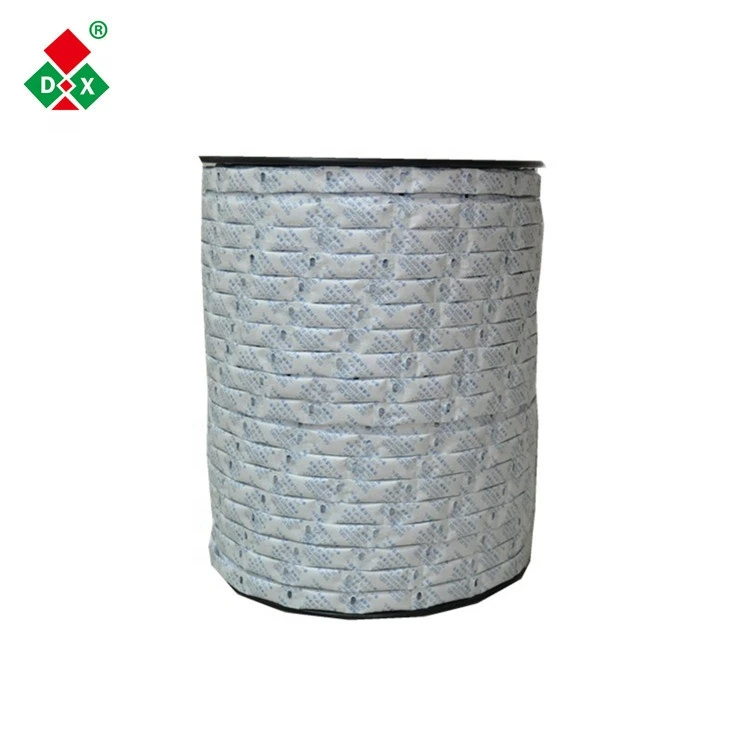
Let's say you have a storage unit that has been exposed to a leak, and you need to dry it out quickly. Placing Silica Gel Strip Packets in the unit can help speed up the drying process and prevent any damage to your stored items.
Regeneration
Both silica gel and activated charcoal desiccants can be regenerated, which means you can reuse them after they've absorbed moisture. Silica gel is quite easy to regenerate. You can simply heat it in an oven at a relatively low temperature (around 120 - 150°C) for a few hours. Once the water evaporates, the silica gel is ready to be used again.
Activated charcoal can also be regenerated, but it's a bit more complicated. You need to heat it at a higher temperature, and there's a risk of damaging the charcoal if you're not careful. Plus, after multiple regenerations, the effectiveness of activated charcoal tends to decrease more quickly compared to silica gel.
If you're looking for a cost - effective solution in the long run, silica gel desiccants are a better choice because of their ease of regeneration. You can buy 1kg Silica Gel Bags Big and reuse them multiple times, saving you money over time.
Specific Applications
Now, let's talk about specific applications. Silica gel desiccants are widely used in the food, pharmaceutical, and electronics industries. In the food industry, as I mentioned earlier, they help keep food dry and prevent spoilage. In the pharmaceutical industry, they're used to maintain the stability of medications by controlling humidity. And in the electronics industry, they protect sensitive electronic components from moisture damage.
Activated charcoal desiccants are more commonly used in applications where odor and gas removal are important. For example, in refrigerators to absorb food odors, or in air purification systems to remove harmful gases.
However, if your primary concern is moisture control, silica gel is the clear winner. It's specifically designed to absorb moisture effectively and can be tailored to different applications through various packaging options.
Conclusion
So, is silica gel desiccant more effective than activated charcoal desiccant? In most cases where moisture control is the main goal, the answer is yes. Silica gel has a higher moisture absorption capacity, a faster absorption rate, is easier to regenerate, and is well - suited for a wide range of industries.
If you're interested in purchasing high - quality silica gel desiccants for your business or personal use, feel free to reach out. We can discuss your specific needs and find the best solution for you. Whether it's for food storage, electronics protection, or any other application, we've got you covered.
References
- "Handbook of Desiccants" by various authors
- "Principles of Adsorption and Adsorption Processes" by Douglas M. Ruthven


