


Silica gel desiccants are widely used in various industries to absorb moisture and maintain a dry environment. As a silica gel desiccant supplier, I often receive questions from customers regarding the safety and proper use of our products. One common query is whether it is safe to use silica gel desiccant near a microwave oven. In this blog post, I will explore this topic in detail, providing scientific insights and practical advice to help you make informed decisions.
Understanding Silica Gel Desiccants
Silica gel is a porous, granular form of silicon dioxide that has a high affinity for water molecules. It works by adsorbing moisture from the surrounding air, effectively reducing humidity levels. This property makes silica gel desiccants ideal for protecting a wide range of products from damage caused by moisture, such as mold, mildew, corrosion, and degradation.
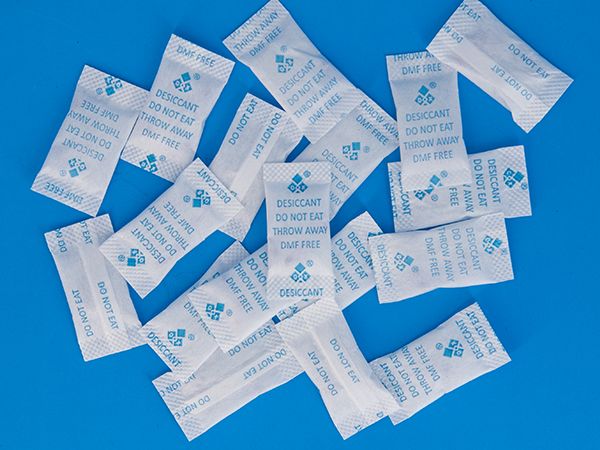
Silica gel desiccants come in various forms, including beads, packets, and strips. They are commonly used in packaging for electronics, pharmaceuticals, food, and clothing, as well as in storage containers, closets, and vehicles. Some silica gel desiccants are also available in a color-changing variety, which indicates when they are saturated and need to be replaced or regenerated. For more information on Silica Gel Desiccant Color Change, please visit our website.
The Microwave Oven and Its Effects
Microwave ovens use electromagnetic waves to generate heat by exciting water molecules in food. These waves cause the water molecules to vibrate rapidly, producing friction and generating heat. While microwave ovens are designed to heat food efficiently and safely, they can also pose risks if used improperly or with incompatible materials.
When it comes to using silica gel desiccant near a microwave oven, the main concern is the potential for the desiccant to absorb microwave energy and heat up. This could lead to overheating, melting, or even combustion of the desiccant, which could cause damage to the microwave oven and pose a fire hazard.
Safety Considerations
In general, it is not recommended to place silica gel desiccant directly inside a microwave oven. Silica gel is a poor conductor of heat and does not contain water molecules in the same way that food does. As a result, it may not heat up evenly in a microwave oven, and there is a risk of it overheating and causing damage.
However, if the silica gel desiccant is in a sealed container or packaging and is not in direct contact with the microwave oven's interior, it is generally safe to have it near the microwave oven. The container or packaging will act as a barrier, preventing the desiccant from absorbing microwave energy and reducing the risk of overheating.
It is also important to note that some silica gel desiccants may contain additives or chemicals that could be hazardous if heated in a microwave oven. For example, some color-changing silica gel desiccants contain cobalt chloride, which is a toxic substance. If you are unsure whether your silica gel desiccant is safe to use near a microwave oven, it is best to consult the manufacturer's instructions or contact us for more information.
Proper Use and Storage
To ensure the safe and effective use of silica gel desiccant near a microwave oven, it is important to follow these guidelines:
- Keep the desiccant in a sealed container: This will prevent it from coming into direct contact with the microwave oven's interior and reduce the risk of overheating.
- Avoid placing the desiccant too close to the microwave oven: While it is generally safe to have the desiccant near the microwave oven, it is best to keep it at a safe distance to minimize the risk of heat transfer.
- Do not place the desiccant directly on the microwave oven: This could cause the desiccant to absorb heat from the microwave oven and overheat.
- Check the desiccant regularly: If you notice any signs of overheating, melting, or discoloration, remove the desiccant immediately and replace it with a new one.
- Follow the manufacturer's instructions: Always read and follow the manufacturer's instructions for using and storing the silica gel desiccant to ensure its safe and effective use.
Our Silica Gel Desiccant Products
As a leading silica gel desiccant supplier, we offer a wide range of high-quality desiccant products to meet the needs of various industries and applications. Our products include Silica Gel Strip Packets and 1kg Silica Gel Bags, which are designed to provide effective moisture protection in a convenient and easy-to-use format.
Our silica gel desiccants are made from high-purity silica gel and are available in a variety of sizes and quantities to suit your specific requirements. They are also available in a color-changing variety, which makes it easy to monitor their moisture absorption capacity and determine when they need to be replaced or regenerated.

Conclusion
In conclusion, while it is generally not recommended to place silica gel desiccant directly inside a microwave oven, it is safe to have it near the microwave oven as long as it is in a sealed container or packaging and is not in direct contact with the microwave oven's interior. By following the guidelines outlined in this blog post, you can ensure the safe and effective use of silica gel desiccant near a microwave oven and protect your products from damage caused by moisture.
If you have any further questions or concerns about using silica gel desiccant near a microwave oven or about our silica gel desiccant products, please do not hesitate to contact us. We are always happy to help and provide you with the information and support you need to make the right choice for your business.
References
- "Microwave Oven Safety." U.S. Food and Drug Administration. Accessed [Date].
- "Silica Gel Desiccants: How They Work and How to Use Them." Science Buddies. Accessed [Date].
- "Safety Tips for Using a Microwave Oven." Consumer Reports. Accessed [Date].


