


Hey there, fellow aquarium enthusiasts! As a supplier of silica gel desiccants, I've been getting a lot of questions lately about whether it's appropriate to use silica gel desiccant in a fish tank. It's a topic that's sparked quite a bit of debate in the aquarium community, and I'm here to break it down for you.
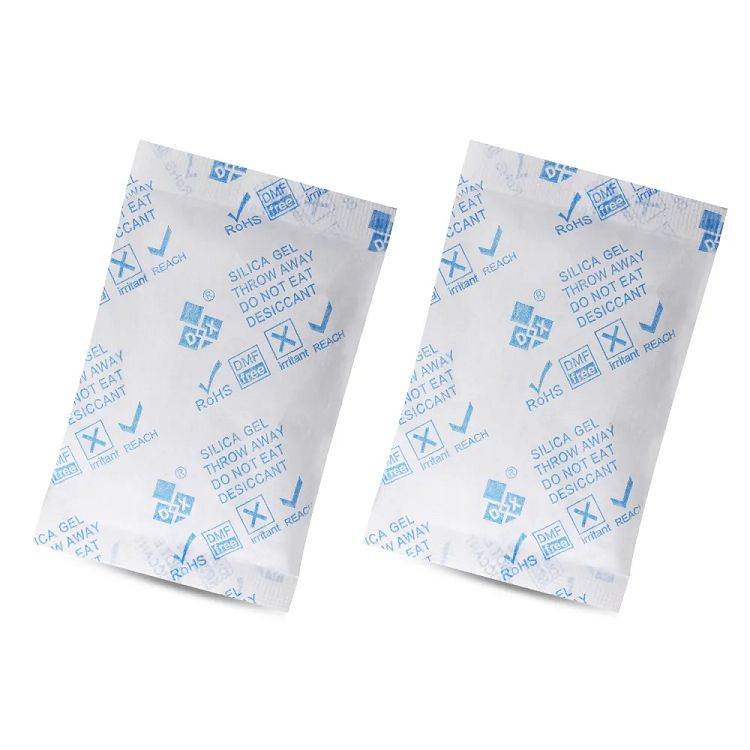
First off, let's talk about what silica gel desiccant is. Silica gel is a porous, granular form of silicon dioxide. It's known for its excellent moisture-absorbing properties, which is why it's commonly used in various industries to keep products dry. You've probably seen those little packets labeled "Do not eat" in shoe boxes or electronics packaging – that's silica gel.
Now, the idea of using silica gel in a fish tank might seem a bit strange at first. After all, fish tanks are all about water, and silica gel is all about absorbing water. But there are some potential benefits and drawbacks to consider.
Potential Benefits
One of the main reasons people might consider using silica gel in a fish tank is to control humidity around the tank. If you have your aquarium in a room with high humidity, it can lead to condensation on the glass, which not only looks messy but can also promote the growth of mold and mildew. By placing a small amount of silica gel near the tank, you might be able to reduce the humidity levels and prevent these issues.

Another potential benefit is related to water quality. In some cases, excessive moisture in the air around the tank can lead to an increase in the amount of dissolved gases in the water. By reducing the humidity, silica gel could potentially help maintain a more stable environment for your fish.
Potential Drawbacks
However, there are also some significant drawbacks to using silica gel in a fish tank. The biggest concern is the potential for the silica gel to leach harmful substances into the water. Silica gel is often treated with various chemicals to enhance its moisture-absorbing properties or to act as a moisture indicator. These chemicals could be toxic to fish and other aquatic life if they make their way into the water.
Even if the silica gel is pure and untreated, there's still a risk of it breaking down over time and releasing small particles into the water. These particles could be ingested by the fish, causing internal damage or blockages.
Another issue is that silica gel is designed to absorb moisture. If it's placed directly in the water or in an area where it can come into contact with water, it will quickly become saturated and lose its effectiveness. And once it's saturated, it could potentially start releasing the absorbed moisture back into the environment, defeating the purpose of using it in the first place.
Types of Silica Gel and Their Suitability
There are different types of silica gel available, and each has its own characteristics.
- Silica Gel Packs Reusable: These are convenient and easy to use. They can be placed near the tank to absorb moisture from the air. However, as mentioned earlier, you need to make sure they don't come into contact with the water.
- 1kg Silica Gel Bags: These larger bags are great for larger areas. But again, they should be kept away from the water. If you're using them to control humidity in a room with multiple fish tanks, they could be a good option.
- Silica Gel with Moisture Indicator: This type of silica gel changes color when it becomes saturated, which can be useful for knowing when it needs to be replaced. However, the moisture indicator chemicals could be a concern if there's any chance of them getting into the water.
Safety Precautions
If you do decide to use silica gel near your fish tank, there are some important safety precautions to follow.
- Keep it separate from the water: Make sure the silica gel is placed in a sealed container or in an area where it can't come into direct contact with the water. You could use a small mesh bag to hold the silica gel and place it on a shelf near the tank.
- Monitor the fish: Keep a close eye on your fish for any signs of stress or illness. If you notice any changes in their behavior or appearance, remove the silica gel immediately and consult a veterinarian.
- Replace the silica gel regularly: Silica gel has a limited lifespan, and once it's saturated, it needs to be replaced. Follow the manufacturer's instructions on how often to replace it.
Conclusion
So, is it appropriate to use silica gel desiccant in a fish tank? The answer is it depends. While there are some potential benefits to using silica gel to control humidity around the tank, the risks of harming your fish are significant. If you do decide to use it, make sure you take all the necessary safety precautions and monitor your fish closely.
As a silica gel desiccant supplier, I understand the importance of finding the right solution for your needs. If you have any questions or are interested in purchasing our silica gel products, feel free to reach out to us. We can provide you with more information and help you choose the right type of silica gel for your situation.
References
- "Aquarium Water Quality: The Basics" by the American Association of Fish Veterinarians
- "Silica Gel: Properties and Applications" by the Silica Gel Manufacturers Association


