Hey there! As a long - time container desiccant supplier, I often get asked, "Is container desiccant safe to use?" Well, let's dig into this topic and find out.
First off, what exactly is a container desiccant? Container desiccants are substances used to absorb moisture in shipping containers. They play a crucial role in protecting goods during transit. When goods are shipped in containers, the environment inside can be quite humid, especially when there are large temperature variations. This humidity can lead to all sorts of problems like mold growth, rusting of metal products, and damage to electronic components. That's where container desiccants come in.
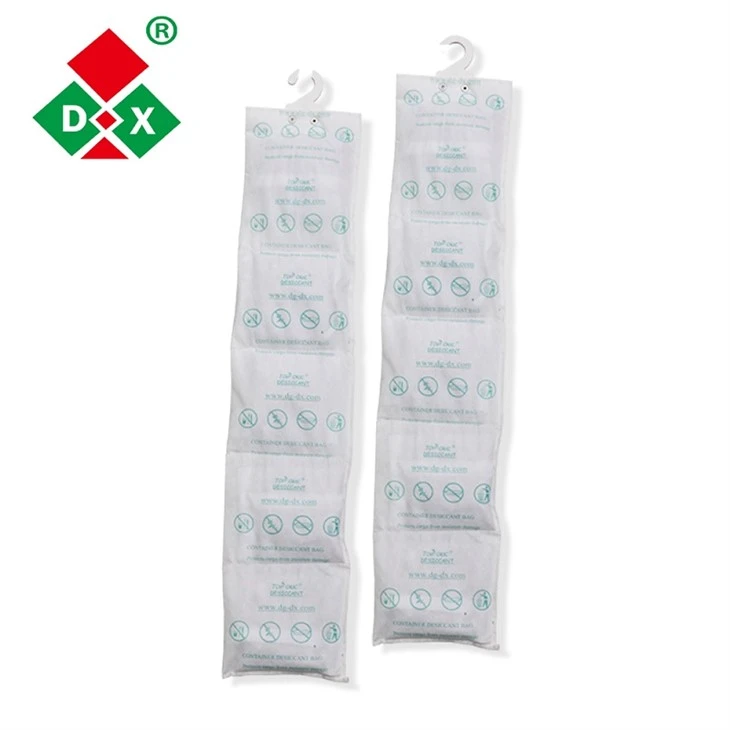
One of the most common types of container desiccants is calcium chloride desiccant. Calcium chloride is a highly effective moisture absorber. It can absorb several times its own weight in water, making it a top choice for container applications. For example, our Large Desiccant Bag Calcium Chloride is designed to handle large - scale moisture control in shipping containers.
Now, let's talk about safety. Generally speaking, calcium chloride container desiccants are safe to use when handled properly. Calcium chloride is a salt that occurs naturally and is widely used in many industries, such as food, construction, and de - icing. In the context of container desiccants, it is enclosed in a breathable bag that allows moisture to enter but keeps the desiccant itself contained.
However, there are some safety precautions that need to be taken. First of all, although the desiccant bags are designed to be durable, they should not be punctured or torn. If the calcium chloride is exposed, it can cause skin and eye irritation. It's important to wear gloves and safety goggles when handling desiccants, especially if there's a risk of the bag being damaged.
Another thing to note is that calcium chloride is hygroscopic, which means it will absorb moisture from the air. Once it has absorbed a large amount of water, it turns into a liquid brine. This brine can be corrosive to some metals. So, when placing desiccants in a container, make sure they are positioned in a way that the brine won't drip onto metal products. For instance, you can hang the desiccants from the ceiling of the container using hooks.
Our 250g Calcium Chloride Desiccant is a popular choice for smaller containers or for more targeted moisture control. It comes in a well - designed bag that minimizes the risk of leakage and is easy to handle.
In addition to calcium chloride desiccants, there are other types of container desiccants available, such as silica gel desiccants. Silica gel is a non - toxic, porous material that also absorbs moisture. It's a great option for products that are sensitive to chemicals. But in terms of moisture - absorbing capacity, calcium chloride usually outperforms silica gel.
When it comes to the disposal of used container desiccants, it's important to follow local regulations. In most cases, the used calcium chloride desiccants can be disposed of as regular waste, but it's always a good idea to check with your local waste management facility.
Now, let's address some common concerns that customers have. Some people worry that the desiccants might release harmful fumes. Well, calcium chloride desiccants do not release any significant amount of fumes under normal conditions. As long as the desiccant is in good condition and not over - heated, there's no need to worry about air pollution inside the container.
Another concern is about the desiccant being a fire hazard. Calcium chloride is non - flammable, so there's no risk of it catching fire. However, if the desiccant is stored in an area with a high - temperature source, the absorbed moisture might evaporate quickly, which could potentially affect the desiccant's performance.
We've been in the container desiccant business for a long time, and we've seen firsthand how important it is to use safe and effective desiccants. Our Container Desiccant products are rigorously tested to ensure they meet the highest safety and quality standards.
If you're involved in the shipping industry or need to protect your goods during transit, using container desiccants is a smart move. They can save you a lot of money in the long run by preventing damage to your products. And as long as you follow the safety guidelines, you can use them with confidence.
We understand that every customer's needs are different. Whether you're shipping small - scale products or large - volume cargo, we have the right desiccant solution for you. If you have any questions about our container desiccants, such as which type is best for your specific situation or how to use them properly, don't hesitate to reach out. We're here to help you make the best decision for your business. Contact us to start a purchase negotiation and ensure your goods are protected during transit.
References:

- Handbook of Desiccants and Adsorbents
- Industry standards for shipping container moisture control