


Is container desiccant flammable? This is a question that often comes up in the shipping and logistics industry, and as a container desiccant supplier, I'm here to provide you with a comprehensive answer.
Understanding Container Desiccants
Container desiccants are essential products used to control humidity inside shipping containers. During transportation, especially over long - distances and across different climates, containers are exposed to varying temperature and humidity conditions. Moisture can accumulate inside the container, leading to problems such as mold growth, rusting of metal goods, and damage to sensitive electronics and other products.
There are several types of container desiccants available in the market, including silica gel, clay desiccants, and calcium chloride - based desiccants. Each type has its own characteristics, advantages, and limitations.
Silica Gel Desiccants
Silica gel is one of the most commonly used desiccants. It is a porous form of silicon dioxide and has a high affinity for water. Silica gel desiccants are typically non - flammable. They are chemically stable and do not react with oxygen in the air under normal conditions. This makes them a safe choice for use in containers, especially when shipping goods that are sensitive to fire hazards.

The structure of silica gel consists of tiny pores that can absorb water molecules. Once the silica gel reaches its saturation point, it can be regenerated by heating it to a certain temperature to drive off the absorbed water. This reusability feature is another reason for its popularity.
Clay Desiccants
Clay desiccants are made from natural clay minerals. They work by adsorption, where water molecules adhere to the surface of the clay particles. Similar to silica gel, clay desiccants are generally non - flammable. Clay is an inorganic material, and it does not burn easily.
Clay desiccants are cost - effective and have a moderate moisture - absorbing capacity. They are suitable for many general shipping applications where the humidity level needs to be controlled.
Calcium Chloride - Based Desiccants
Calcium chloride is a highly effective desiccant due to its hygroscopic nature. It can absorb up to several times its own weight in water. When it comes to flammability, calcium chloride itself is non - flammable. It is an inorganic salt and does not support combustion.
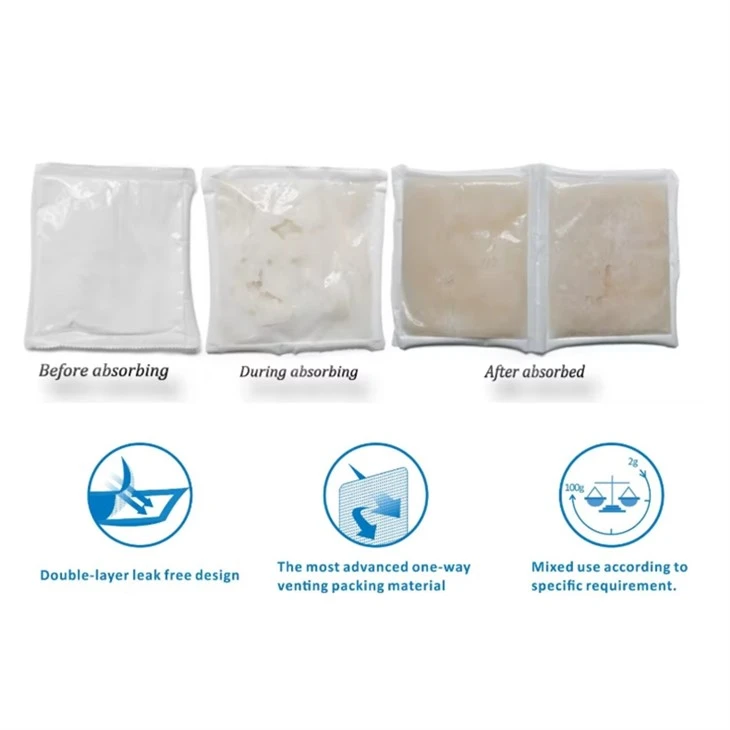
However, the packaging and other components associated with calcium chloride desiccants need to be considered. Most calcium chloride desiccants are packaged in breathable materials such as non - woven fabrics or paper. These packaging materials are usually combustible. But the risk of fire is extremely low as long as the desiccants are used and stored properly.
Calcium chloride desiccants work by attracting water vapor from the surrounding air. As they absorb moisture, they form a brine solution. This process is exothermic, which means it releases a small amount of heat. But this heat is not sufficient to cause a fire hazard under normal circumstances.
Safety Precautions
Even though most container desiccants are non - flammable, it is still important to follow safety precautions. When using desiccants in containers, make sure they are placed in a way that does not interfere with the normal operation of the container or pose a risk to the goods.
For example, desiccants should be secured properly to prevent them from falling and causing damage to the goods. If there are any signs of damage to the desiccant packaging, they should be replaced immediately to avoid potential leakage.
Disposal and Reuse of Calcium Chloride Desiccants
When it comes to the end - of - life management of calcium chloride desiccants, proper disposal and reuse are important. For information on calcium chloride dehumidifier disposal, you can refer to this page: Calcium Chloride Dehumidifier Disposal.
Calcium chloride desiccants can also be reused in some cases. To learn more about calcium chloride desiccant reuse, visit Calcium Chloride Desiccant Reuse.
If you are interested in using calcium chloride dehumidifiers, you can find more details at Calcium Chloride Dehumidifier.
Conclusion
In conclusion, most container desiccants, including silica gel, clay, and calcium chloride - based desiccants, are non - flammable. While the packaging materials associated with desiccants may be combustible, the risk of fire is minimal when the desiccants are used and stored correctly.
As a container desiccant supplier, we ensure that all our products meet the highest safety standards. We provide high - quality desiccants that are not only effective in controlling humidity but also safe for use in various shipping applications.
If you are in the market for container desiccants, whether for a small shipment or a large - scale logistics operation, we would be more than happy to discuss your specific needs. Contact us to start a procurement discussion and find the best desiccant solution for your goods.
References
- "Handbook of Desiccants" by various authors.
- Industry reports on shipping container humidity control.
- Scientific papers on the properties of silica gel, clay, and calcium chloride.


