


Hey there! As a supplier of reusable silica gel beads, I often get asked how to tell if these little moisture - fighters are saturated. Well, let's dive right in and explore the different ways to figure that out.
Visual Inspection
One of the easiest ways to check if your reusable silica gel beads are saturated is through a simple visual inspection. This method works particularly well if you're using Indicating Silica Gel Desiccant. These beads are designed to change color as they absorb moisture.
For instance, some indicating silica gel beads start off as blue when they're dry. As they soak up water from the surrounding environment, they gradually turn pink. When they're completely saturated, they'll be a bright pink color. It's like a built - in traffic light system for moisture absorption!
On the other hand, non - indicating silica gel beads don't have this color - changing property. They'll look the same whether they're dry or saturated. But you can still get a rough idea by comparing them to a fresh batch. If they seem clumpier or more damp to the touch, they might be close to saturation.
Weight Measurement
Another way to tell if your reusable silica gel beads are saturated is by weighing them. When the beads absorb moisture, they gain weight. You can start by weighing a fresh, dry batch of beads and recording the weight.
Over time, as the beads do their job of absorbing moisture, weigh them again at regular intervals. If you notice a significant increase in weight, it's a sign that they're getting saturated. How much weight gain is significant? Well, it depends on the initial weight of the beads and the environment they're in. But generally, if they've gained more than 10 - 15% of their original weight, they're probably pretty close to being full.
Let's say you start with 100 grams of dry silica gel beads. If after a few weeks, they weigh 115 grams, it's a good indication that they're saturated and need to be regenerated.
Performance Testing
You can also test the performance of the silica gel beads to see if they're saturated. One way to do this is by placing them in a sealed container with a known amount of moisture - sensitive material. For example, you could use a small piece of paper that tends to curl or get damp in a humid environment.
Put the silica gel beads and the paper in the container and seal it up. Check on the paper after a few hours or days. If the paper is still dry and flat, the beads are likely still working effectively. But if it's starting to curl or show signs of dampness, it could mean that the beads are saturated and can't absorb any more moisture.
Environmental Factors
The environment where the silica gel beads are being used can also give you clues about their saturation level. If they're in a very humid place, like a basement during the rainy season, they'll absorb moisture more quickly. In such an environment, you should check them more frequently.
Conversely, if they're in a relatively dry place, like a climate - controlled storage room, they'll take longer to saturate. Keep an eye on the weather and the conditions around the beads to get a better sense of how fast they're absorbing moisture.
Regeneration Frequency
If you've been using the reusable silica gel beads for a while, you can also look at how often you've had to regenerate them. Regeneration is the process of heating the beads to remove the absorbed moisture and make them usable again.
If you find that you're having to regenerate the beads more frequently than usual, it could be a sign that they're getting saturated faster. This could be due to an increase in the humidity of the environment or a larger amount of moisture - producing items in the area.

What to Do When They're Saturated
Once you've determined that your reusable silica gel beads are saturated, it's time to regenerate them. You can do this by heating them in an oven at a low temperature (usually around 250 - 300°F or 120 - 150°C) for a few hours. Make sure to spread the beads out evenly on a baking sheet to ensure even heating.
After regeneration, let the beads cool down completely before using them again. They'll be good as new and ready to fight moisture once more.
Why It Matters
Knowing when your reusable silica gel beads are saturated is important for a few reasons. First of all, saturated beads won't be able to absorb any more moisture, so they won't protect your items from dampness. This is especially crucial if you're using them to preserve things like electronics, documents, or Silica Gel Desiccant For Food.
Secondly, if you don't regenerate the beads in time, they could start to develop mold or mildew, which can be a health hazard and can also damage the items they're supposed to be protecting.
Conclusion
So, there you have it! There are several ways to tell if your reusable silica gel beads are saturated, including visual inspection, weight measurement, performance testing, and paying attention to environmental factors. By keeping an eye on these things, you can ensure that your beads are always working effectively to keep your items dry and safe.
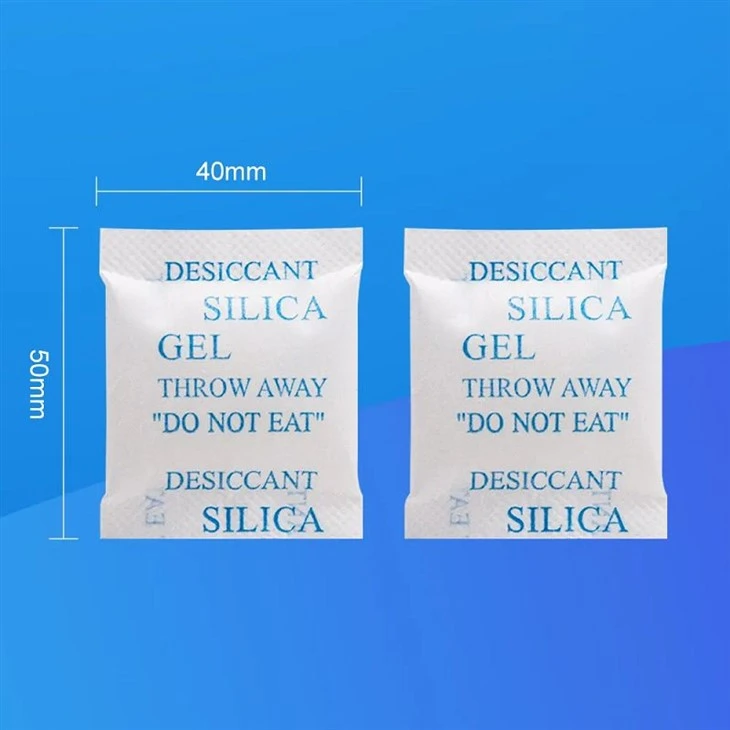
If you're in the market for high - quality reusable silica gel beads, we're here to help. Whether you need Moisture Absorbing Silica Gel Packets for small items or bulk quantities for industrial use, we've got you covered. Feel free to reach out and start a conversation about your specific needs. We're eager to assist you in finding the perfect solution for your moisture - control requirements.
References
- Various industry knowledge on silica gel desiccants
- Practical experience from supplying reusable silica gel beads


