


Reusable silica gel beads are a versatile and eco - friendly solution for moisture control in various applications. As a supplier of reusable silica gel beads, I understand the importance of proper storage to maintain their effectiveness and longevity. In this blog post, I'll share some key tips on how to store these valuable desiccants.
Understanding Reusable Silica Gel Beads
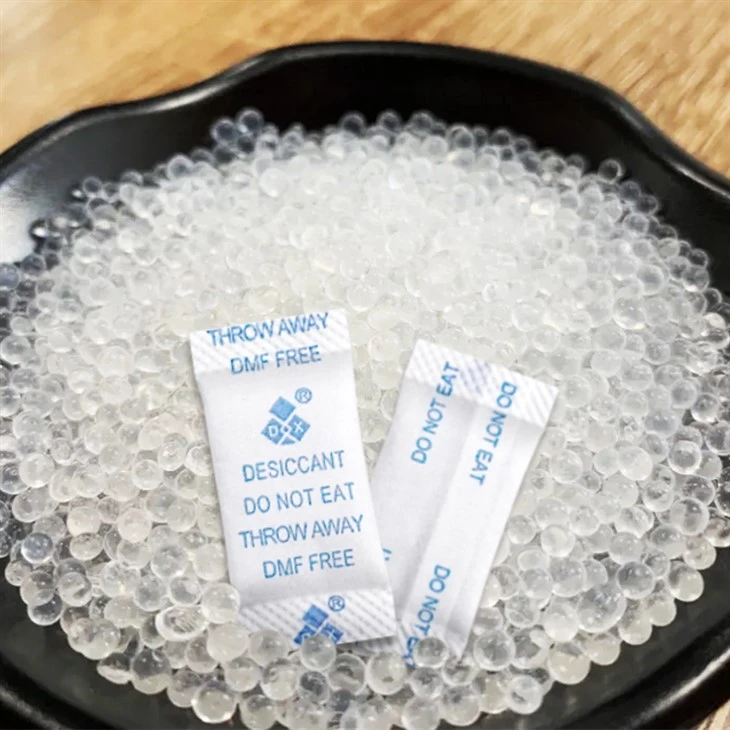
Before delving into storage methods, it's crucial to understand what reusable silica gel beads are. These beads are made of a porous form of silicon dioxide. They have an excellent capacity to absorb moisture from the surrounding environment. Once saturated, they can be regenerated by heating, which drives out the absorbed water, making them reusable.
Ideal Storage Conditions
Temperature
Silica gel beads should be stored in a cool environment. High temperatures can cause the beads to lose their moisture - absorbing capacity prematurely. A temperature range of 10°C - 25°C (50°F - 77°F) is considered ideal. Avoid storing them in areas where the temperature fluctuates wildly, such as near heaters or in uninsulated attics. Extreme cold can also affect the physical structure of the beads over time, so a stable, moderate temperature is key.
Humidity
Low humidity is essential for storing silica gel beads. Since their main function is to absorb moisture, storing them in a high - humidity environment will cause them to become saturated quickly. Aim for a relative humidity of less than 40%. If the storage area has high humidity, consider using additional desiccants like calcium chloride packs to reduce the moisture level.
Light
Direct sunlight and intense artificial light can have a negative impact on silica gel beads. Ultraviolet rays can break down the chemical structure of the beads, reducing their effectiveness. Store them in a dark place, such as a closet or a storage cabinet.
Suitable Storage Containers
Airtight Containers
Airtight containers are the best option for storing reusable silica gel beads. They prevent moisture from entering and keep the beads dry. Glass jars with tight - fitting lids or plastic containers with rubber gaskets are excellent choices. Make sure the container is clean and dry before adding the beads.
Sealed Bags
If you prefer a more flexible storage option, sealed plastic bags can also work. Look for bags made of thick, high - density polyethylene. These bags should be sealed tightly to prevent air and moisture from getting in. However, be aware that over time, plastic bags may develop small punctures, so check them regularly.

Labeling and Organization
Labeling
Proper labeling is crucial when storing silica gel beads. Label the containers with the date of purchase or regeneration, the quantity of beads, and any other relevant information. This will help you keep track of the age and usage history of the beads. If you have different types of silica gel beads (e.g., indicating and non - indicating), label them clearly to avoid confusion.
Organization
Organize your storage area in a logical way. Group the silica gel beads by size, type, or intended use. This makes it easier to find the beads you need when you require them. You can also use shelves or storage racks to keep the containers neatly arranged.
Storage for Different Applications
Food Industry
If you are using silica gel beads for food applications, extra precautions are necessary. The beads should be stored in a clean, hygienic environment. Consider using 10 Gram Food Safe Silica Gel Packet for food - related storage. These packets are specifically designed to meet food safety standards. Store them away from any potential contaminants, such as cleaning chemicals or pesticides.
Electronics
When storing silica gel beads for electronics, ensure that they are kept away from static - generating materials. Static electricity can cause damage to sensitive electronic components. Place the beads in an anti - static container or wrap them in anti - static material. This helps to protect the beads and maintain their ability to protect electronics from moisture.
Regeneration and Re - storage
Regeneration
Over time, silica gel beads will become saturated with moisture and need to be regenerated. The regeneration process involves heating the beads to a specific temperature to drive out the absorbed water. The exact temperature and time depend on the type of silica gel beads. Once regenerated, allow the beads to cool down completely before re - storing them.
Re - storage
After regeneration, immediately place the cooled beads in a clean, dry storage container. Make sure to seal the container tightly to prevent the beads from absorbing moisture again. Update the labels to reflect the new regeneration date.
Long - Term Storage Considerations
Monitoring
For long - term storage, regular monitoring is essential. Check the containers periodically for signs of moisture, such as condensation on the inside of the container or a change in the appearance of the beads. If you notice any issues, take immediate action to address them.
Rotation
To ensure the effectiveness of your silica gel beads, practice a first - in, first - out (FIFO) rotation system. Use the oldest beads first and replace them with newly purchased or regenerated beads. This helps to maintain a fresh supply of effective desiccants.
Conclusion
Proper storage of reusable silica gel beads is essential for maintaining their effectiveness and longevity. By following the tips outlined in this blog post, you can ensure that your silica gel beads remain in optimal condition for as long as possible. Whether you are using them in the food industry, electronics, or other applications, taking the time to store them correctly will save you time and money in the long run.
If you are interested in purchasing high - quality reusable silica gel beads for your business or personal use, we are here to help. We offer a wide range of products, including Buy Silica Gel Packets For Food and Silica Gel Desiccant For Food. Contact us to discuss your specific requirements and start a procurement negotiation.
References
- "Silica Gel: Properties and Applications" by Smith, J. (2018)
- "Moisture Control in Industrial Storage" by Johnson, A. (2020)
- "Food Safety and Desiccants" by Brown, R. (2019)


