Hey there! As a supplier of reusable silica gel beads, I often get asked about how to dry these little moisture - suckers properly. So, I thought I'd put together this blog post to share some tips and tricks on drying reusable silica gel beads.
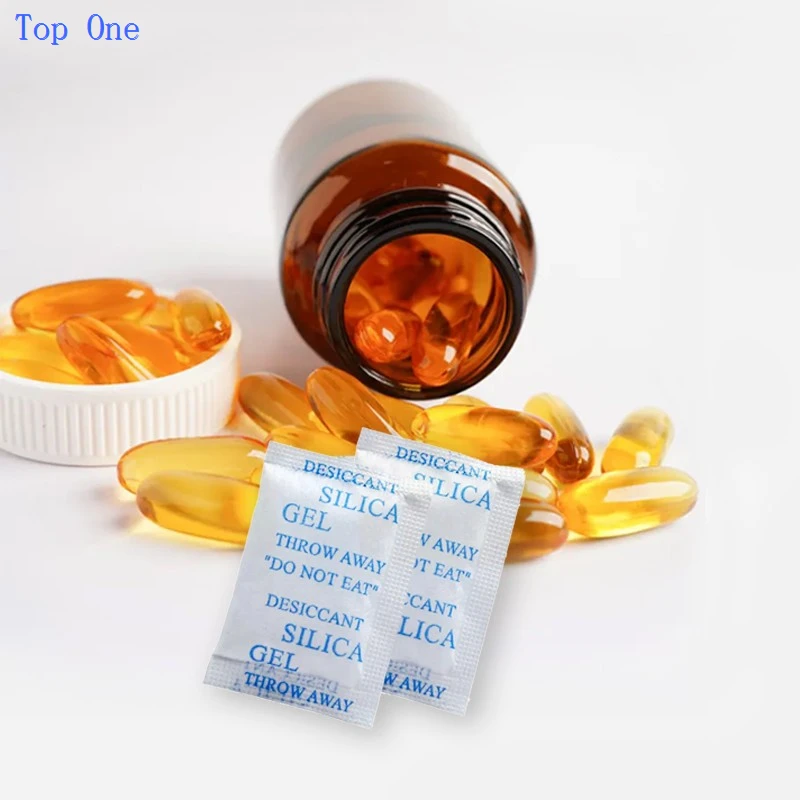
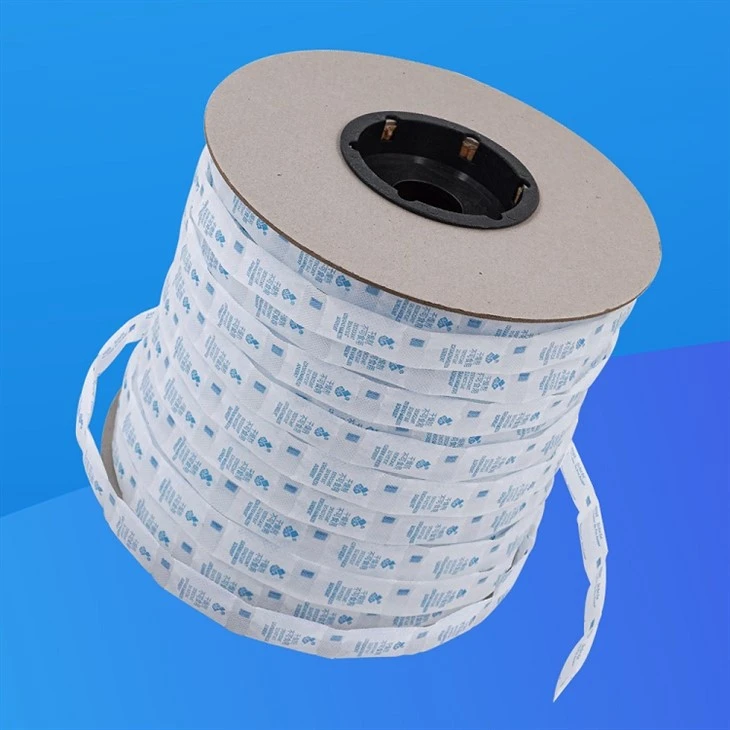
First off, let's talk about why you need to dry silica gel beads in the first place. Silica gel beads are super handy desiccants. They're used in all sorts of things like Silica Gel Strip Packets, Silica Gel Desiccant Bag, and Desiccant Silica Gel Packets. Their main job is to absorb moisture from the air, which helps protect items from mold, mildew, and corrosion. But once they're saturated with moisture, they stop working effectively. That's when you need to dry them out so they can go back to doing their thing.
Method 1: Using an Oven
One of the most common ways to dry silica gel beads is by using an oven. It's a pretty straightforward method, but you need to be careful.
Step 1: Pre - heat the Oven
Set your oven to a low temperature, around 250°F (120°C). This low heat is important because if the temperature is too high, the silica gel beads can crack or even break down. High heat can also damage the chemical structure of the beads, making them less effective at absorbing moisture in the future.
Step 2: Spread the Beads
Take your moisture - saturated silica gel beads and spread them out in a single layer on a baking sheet. Make sure the beads aren't piled up on top of each other. A single layer allows for even drying. You can use a baking sheet lined with parchment paper to make cleanup easier later.
Step 3: Put the Beads in the Oven
Once the oven is pre - heated, carefully place the baking sheet with the beads inside. Keep an eye on them. Depending on how wet the beads are, it can take anywhere from 1 to 3 hours for them to dry completely. You can check the progress every 30 minutes or so. If you notice any beads starting to change color (if you're using indicating silica gel beads), that's a good sign that the moisture is being removed.
Step 4: Let the Beads Cool
After the beads are dry, turn off the oven and let the beads cool inside for a little while. Then, carefully take the baking sheet out and let the beads cool completely on a heat - resistant surface. Once they're cool, they're ready to be reused.
Method 2: Using a Microwave
If you're in a hurry, using a microwave can be a quick way to dry silica gel beads. However, this method requires extra caution.
Step 1: Place the Beads in a Microwave - Safe Container
Put the silica gel beads in a microwave - safe bowl or container. Don't use a metal container, as that can cause sparks in the microwave. You can cover the container with a microwave - safe lid or a piece of plastic wrap with a few holes punched in it to allow steam to escape.
Step 2: Microwave in Short Bursts
Start by microwaving the beads on a low - power setting for 1 - 2 minutes. Then, take the container out and give it a good stir. This helps to distribute the heat evenly. Keep repeating this process of short bursts and stirring until the beads are dry. It usually takes around 5 - 10 minutes in total, but it can vary depending on the amount of moisture in the beads and the power of your microwave.
Step 3: Check for Dryness
After each microwave burst, you can check the beads for dryness. If you're using indicating silica gel beads, look for a color change. If you're using non - indicating beads, you can feel them. Dry beads should feel hard and not sticky.
Method 3: Using a Dehumidifier
This method is a bit slower than using an oven or a microwave, but it's a gentle way to dry the silica gel beads.
Step 1: Place the Beads in a Container
Put the wet silica gel beads in an open container. You can use a plastic container or a glass jar. Make sure the container is big enough so that the beads have some space around them.
Step 2: Put the Container in a Dehumidifier
Place the container with the beads inside a dehumidifier. The dehumidifier will draw the moisture out of the air around the beads, gradually drying them. This method can take a few days, especially if the beads are very wet. But it's a good option if you don't want to use heat to dry the beads.
Tips and Tricks
- Use Indicating Silica Gel Beads: Indicating silica gel beads change color when they're saturated with moisture. This makes it easy to tell when they need to be dried and when they're dry again. For example, blue indicating silica gel turns pink when it's wet and goes back to blue when it's dry.
- Store the Beads Properly: Once the beads are dry, store them in an air - tight container until you're ready to use them again. This prevents them from absorbing moisture from the air before you need them.
- Don't Over - Dry the Beads: Over - drying the beads can also be a problem. If you dry them for too long or at too high a temperature, they can become brittle and less effective at absorbing moisture.
Safety Precautions
- Wear Gloves: When handling silica gel beads, it's a good idea to wear gloves. Some silica gel beads can be sharp, and you don't want to get any cuts on your hands.
- Avoid Inhaling Dust: If the beads break or crumble, there can be some dust. Try to avoid inhaling this dust as it can be irritating to your lungs.
In conclusion, drying reusable silica gel beads is not that difficult. Whether you choose to use an oven, a microwave, or a dehumidifier, just follow the steps carefully and take the necessary safety precautions. And if you're in the market for high - quality reusable silica gel beads, I'm here as your supplier. If you have any questions about our products or need more information on drying or using silica gel beads, feel free to reach out. We're always happy to help you find the best solutions for your moisture - protection needs. Let's start a conversation about your procurement requirements and see how we can work together!
References
- "Silica Gel: Properties and Applications" - A general guide on silica gel published by a leading chemical research institute.
- "Moisture Absorption and Desorption in Silica Gel" - A scientific study on the moisture - handling capabilities of silica gel.