


As a supplier of Food Safe Silica Gel, I often receive inquiries about the proper disposal methods for this product. In this blog post, I'll share comprehensive information on how to dispose of food safe silica gel safely and responsibly.
Understanding Food Safe Silica Gel
Before delving into the disposal methods, it's essential to understand what food safe silica gel is. Food Safe Silica Gel is a highly porous form of silicon dioxide that has a strong affinity for water molecules. It is commonly used in the food industry to absorb moisture and prevent spoilage, mold growth, and clumping of food products. You can learn more about it here.
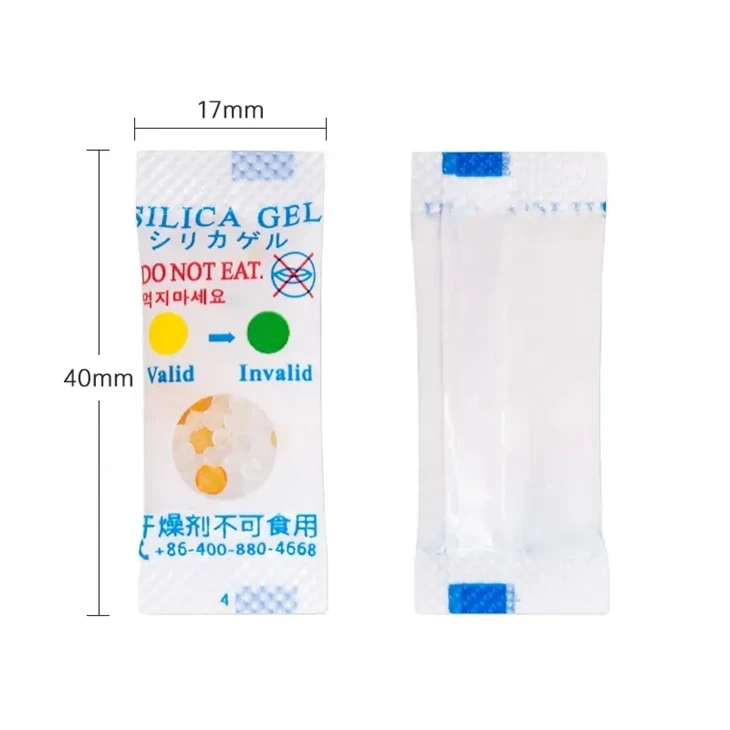
There are different types of food safe silica gel, including those with and without moisture indicators. Silica Gel with Moisture Indicator changes color as it absorbs moisture, providing a visual cue about its saturation level. You can find detailed information about this type here.
General Disposal Considerations
When it comes to disposing of food safe silica gel, the first step is to determine its condition. If the silica gel is still in good condition and has not reached its saturation point, it can often be reused. This not only saves money but also reduces waste. However, if the silica gel is saturated or contaminated, proper disposal is necessary.
Reusing Food Safe Silica Gel
Reusing silica gel is an environmentally friendly option. To reuse food safe silica gel, you need to regenerate it by removing the absorbed moisture. Here's a simple process to do this:
- Remove the silica gel from its packaging: Carefully open the packet or container and pour the silica gel into a heat - resistant dish.
- Heat the silica gel: Place the dish in an oven preheated to around 250°F (121°C). Keep the oven door slightly ajar to allow the moisture to escape. Heat the silica gel for about 1 - 2 hours, depending on the amount and the degree of saturation.
- Check the color (if it's a moisture - indicating type): If the silica gel has a moisture indicator, it should return to its original color when it's dry.
- Let it cool: Once heated, remove the dish from the oven and let the silica gel cool completely before repackaging it.
Disposal of Saturated or Contaminated Silica Gel
If the silica gel is saturated and cannot be reused, or if it is contaminated, it needs to be disposed of properly.
- Non - hazardous disposal: In most cases, food safe silica gel is considered non - hazardous waste. You can dispose of it in your regular household trash. However, it's a good idea to place the silica gel in a sealed plastic bag to prevent it from spilling and creating a mess.
- Special cases: If the silica gel has come into contact with hazardous substances or is part of a large - scale industrial operation, it may require special handling. In such cases, it's advisable to consult with your local waste management authority or a professional waste disposal service.
Disposal of Silica Gel Packets
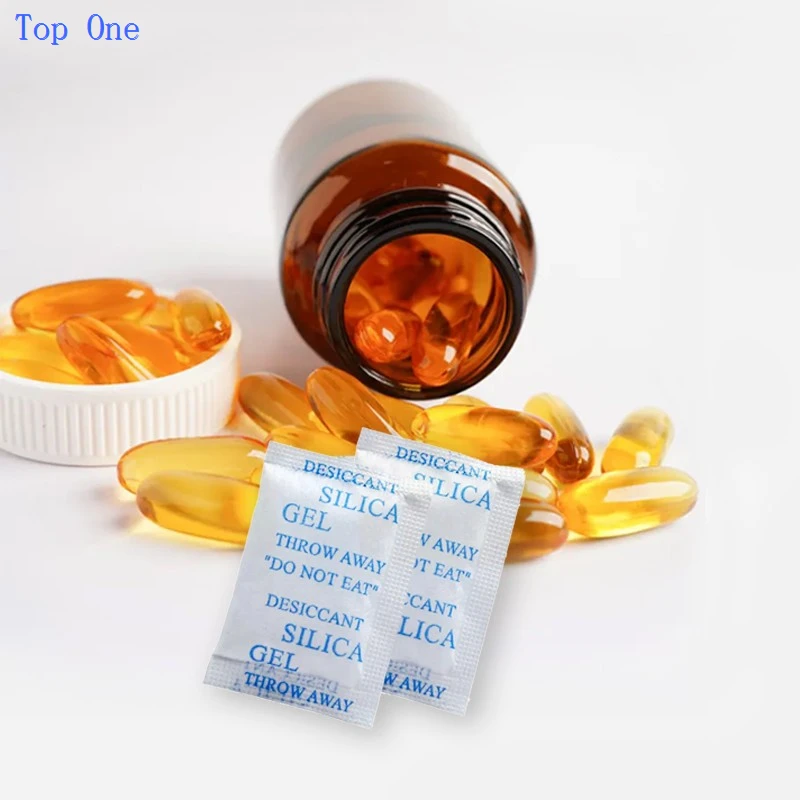
Silica gel is often packaged in small packets. These packets are typically made of paper or non - woven materials. When disposing of the packets, you can follow these steps:
- Empty the silica gel: If possible, empty the silica gel from the packet and dispose of it as described above.
- Dispose of the packet: The empty packet can usually be recycled if it's made of paper. Check your local recycling guidelines to ensure proper disposal. You can find more information about Desiccant Silica Gel Packets.
Environmental Impact of Silica Gel Disposal
Proper disposal of food safe silica gel is not only important for safety but also for the environment. Silica gel is a non - biodegradable material. When disposed of in landfills, it can take a long time to break down. By reusing and recycling silica gel whenever possible, we can reduce its environmental footprint and contribute to a more sustainable future.
Best Practices for Silica Gel Management
To minimize the need for disposal and ensure the effective use of food safe silica gel, here are some best practices:
- Proper storage: Store silica gel in a dry place to prevent premature saturation.
- Regular monitoring: Check the condition of the silica gel regularly, especially in environments with high humidity.
- Use the right amount: Calculate the appropriate amount of silica gel needed for your application to avoid over - use.
Conclusion
As a supplier of Food Safe Silica Gel, I understand the importance of proper disposal. By following the guidelines outlined in this blog post, you can ensure that you are handling food safe silica gel in a safe and responsible manner. Whether it's reusing the silica gel, disposing of it in the regular trash, or taking special precautions for contaminated materials, every step counts towards a more sustainable and efficient use of this valuable product.
If you have any further questions about food safe silica gel, its use, or disposal, or if you're interested in purchasing high - quality silicon gel products, I encourage you to reach out. We're here to provide you with the best solutions for your moisture control needs.
References
- "Silica Gel: Properties and Applications" - Journal of Industrial Materials Science
- Local waste management guidelines provided by municipal authorities


