


Hey there, 3D printing enthusiasts! As a supplier of silica gel desiccant, I've seen firsthand how this nifty little product can make a huge difference in the world of 3D printing. In this blog post, I'm gonna break down exactly how silica gel desiccant helps in a 3D printer and why it's a must-have for anyone serious about getting the best results from their prints.
The Problem with Moisture in 3D Printing
Before we dive into how silica gel desiccant comes to the rescue, let's talk about why moisture is such a big deal in 3D printing. Most 3D printing filaments, like PLA, ABS, and PETG, are hygroscopic. That means they love to soak up moisture from the air. And when these filaments absorb moisture, it can lead to all sorts of problems.
One of the most common issues is poor print quality. Moisture in the filament can cause bubbles, gaps, and uneven layers in your prints. You might end up with a print that looks rough, has a lot of stringing, or even fails completely. It's super frustrating, especially when you've spent hours designing and setting up your print.
Another problem is that moisture can weaken the filament. This makes the printed object less strong and durable, which is a major bummer if you're printing something that needs to hold up in the real world. Whether it's a functional part for a machine or a decorative piece, you want it to be as strong as possible.
How Silica Gel Desiccant Works
So, how does silica gel desiccant solve these moisture-related problems? Well, silica gel is a highly porous material that has an amazing ability to absorb and hold moisture. It's made up of tiny pores that can trap water molecules like a sponge.
When you place silica gel desiccant in the same environment as your 3D printing filaments, it starts working right away. It pulls the moisture out of the air and the filaments, keeping them dry. This is crucial because a dry filament means a better print.
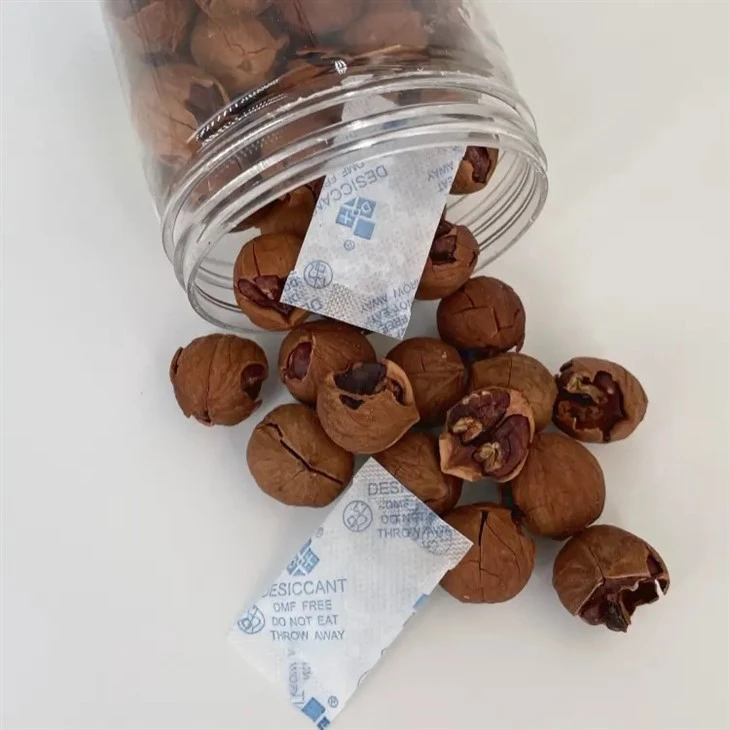

There are different types of silica gel desiccant available. For example, you can get Desiccant Silica Gel Packets. These are convenient because they come in pre-packaged amounts, so you can easily add them to your filament storage containers. You can also find Food Safe Silica Gel, which is great if you're worried about any potential contamination, especially if you're printing objects that might come into contact with food. And if you're looking to buy silica gel specifically for food-related applications, check out Buy Silica Gel Packets For Food.
Using Silica Gel Desiccant in Your 3D Printing Setup
Now that you know how silica gel desiccant works, let's talk about how to use it in your 3D printing setup. The first step is to store your filaments properly. You can use airtight containers like plastic bins or sealed bags. Just add a few packets of silica gel desiccant to the container along with the filament. Make sure the container is completely sealed so that no moisture can get in.
If you're using a filament spool holder, you can also place a small packet of silica gel desiccant near the spool. This will help keep the filament dry as it feeds into the printer. And if you have a filament dryer, you can add silica gel desiccant to it as well. It will work together with the dryer to remove any remaining moisture from the filament.
It's important to keep an eye on the silica gel desiccant. Over time, it will become saturated with moisture and won't be as effective. Most silica gel desiccants change color when they're full of moisture. For example, some turn from blue to pink. When you see this color change, it's time to replace the desiccant or regenerate it.
Regenerating Silica Gel Desiccant
Regenerating silica gel desiccant is a simple process. You can do it at home using an oven. Just place the silica gel packets on a baking sheet and bake them at a low temperature (usually around 250°F or 120°C) for a few hours. This will drive the moisture out of the silica gel, and it will be ready to use again.
But be careful when you're regenerating the desiccant. Make sure to follow the manufacturer's instructions, and don't overheat the silica gel. Overheating can damage the desiccant and make it less effective.
Benefits of Using Silica Gel Desiccant in 3D Printing
Using silica gel desiccant in your 3D printing setup has a ton of benefits. First and foremost, it improves print quality. You'll notice that your prints come out smoother, with fewer defects. The layers will be more even, and the overall finish will be better.
It also saves you time and money. When you're not dealing with failed prints due to moisture, you can get more done in less time. And you won't have to waste filament on prints that don't turn out right.
Another benefit is that it extends the lifespan of your filaments. By keeping them dry, you prevent them from degrading over time. This means you can use your filaments for longer, which is great for your wallet.
Conclusion
In conclusion, silica gel desiccant is a game-changer for 3D printing. It solves the problem of moisture in filaments, which can lead to better print quality, stronger prints, and less waste. Whether you're a hobbyist or a professional 3D printer, using silica gel desiccant is a smart move.
If you're interested in purchasing high-quality silica gel desiccant for your 3D printing needs, don't hesitate to reach out. We're here to help you find the right product for your setup and answer any questions you might have. Let's work together to take your 3D printing to the next level!
References
- "3D Printing Filament Storage: How to Keep Your Filament Dry." All3DP, 2023.
- "Silica Gel Desiccant: Properties and Applications." Chemical Engineering Journal, 2022.


