


As a supplier of Clay Pack Desiccant Bags, I often encounter questions from customers about the safety of our products. One of the most common concerns is whether these desiccant bags contain toxic substances. In this blog post, I'll delve into this topic to provide you with a comprehensive understanding of the nature of Clay Pack Desiccant Bags.
Composition of Clay Pack Desiccant Bags
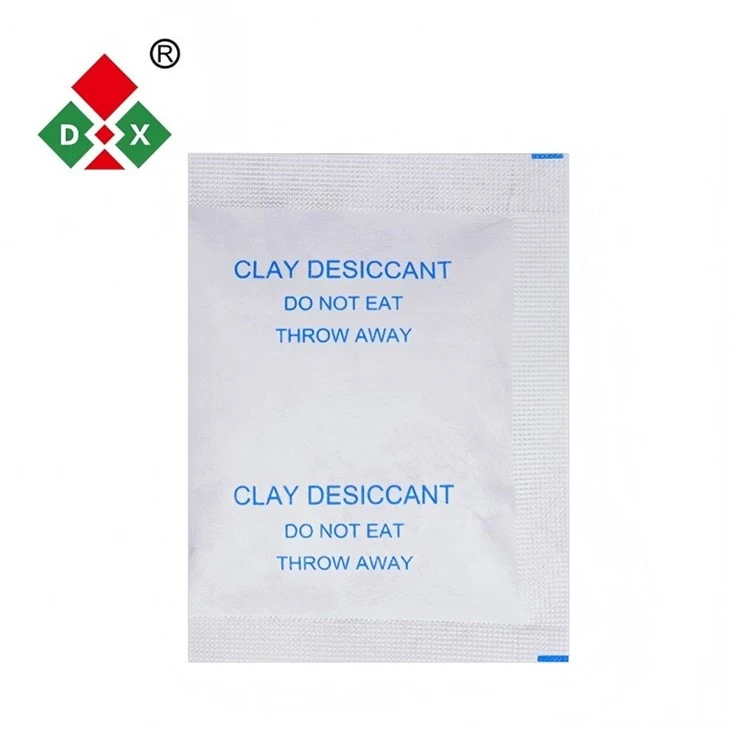
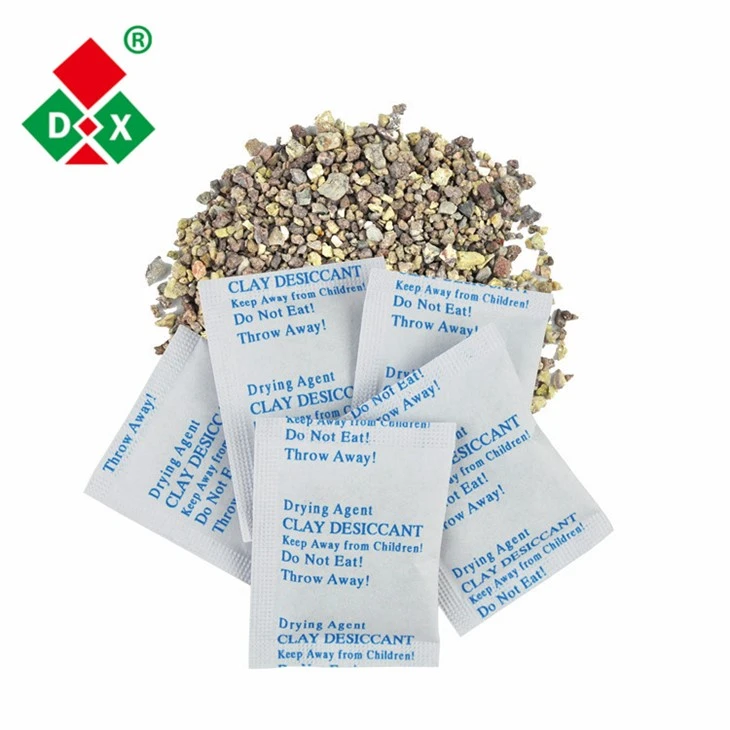
Clay Pack Desiccant Bags primarily use natural clay minerals as their main ingredient. The two most commonly used types of clay in desiccant production are bentonite clay and montmorillonite clay.
Bentonite clay is a highly absorbent clay that forms from the weathering of volcanic ash. It has a unique structure that allows it to absorb and hold large amounts of moisture. Bentonite Clay Desiccant Packets are widely used in various industries due to their excellent moisture absorption properties.
Montmorillonite clay is another type of clay used in desiccant bags. It has a high cation exchange capacity, which means it can attract and hold water molecules effectively. Montmorillonite Clay Desiccant is known for its ability to maintain a stable humidity level in enclosed spaces.
Toxicity Assessment of Clay Minerals
Natural clay minerals, such as bentonite and montmorillonite, are generally considered non - toxic. These clays have been used in a variety of applications for centuries, including in the food and cosmetic industries.
In the food industry, bentonite clay is used as a clarifying agent in wine and beer production. It helps to remove impurities and unwanted particles from the liquid. Montmorillonite clay is also used in some food products as an anti - caking agent. These applications demonstrate that these clays are safe for human contact when used appropriately.
From a chemical perspective, the main components of bentonite and montmorillonite clays are silicon, aluminum, and oxygen. These elements are common in the earth's crust and are not considered toxic. However, it's important to note that the safety of clay desiccants also depends on the purity of the clay used. High - quality clay desiccants are made from purified clay, which reduces the risk of contamination by other potentially harmful substances.
Safety of Clay Pack Desiccant Bags
Our Clay Pack Desiccant Bags are designed with safety in mind. The clay used in our products is carefully selected and purified to ensure its quality and safety. The bags are also made from food - grade materials, which are non - toxic and do not pose a risk of chemical leaching.
However, while the clay itself is non - toxic, it's still important to handle desiccant bags properly. Ingestion of desiccant bags is not recommended, as the bag material may cause choking or digestive issues. If the desiccant comes into contact with eyes or open wounds, it should be rinsed thoroughly with water.
Industry Standards and Regulations
The production of Clay Pack Desiccant Bags is subject to strict industry standards and regulations. These standards ensure that the desiccants are safe for use in various applications. For example, in the United States, the Food and Drug Administration (FDA) regulates the use of desiccants in food packaging to ensure that they do not pose a risk to human health.
In addition, international standards, such as ISO 9001 for quality management systems, are often followed by reputable desiccant suppliers. These standards cover all aspects of the production process, from raw material sourcing to final product testing. By adhering to these standards, we can guarantee the safety and quality of our Clay Desiccant Packs.
Environmental Impact
Another important aspect to consider is the environmental impact of Clay Pack Desiccant Bags. Natural clay is a renewable resource, and the production of clay desiccants has a relatively low environmental footprint compared to some synthetic desiccants.
When the desiccant bags reach the end of their useful life, they can be disposed of in an environmentally friendly way. The clay can be returned to the soil, where it can contribute to soil fertility. This makes clay desiccants a sustainable choice for moisture control.
Conclusion
In conclusion, Clay Pack Desiccant Bags do not contain toxic substances when they are made from high - quality, purified clay and food - grade bag materials. The natural clay minerals used in these desiccants are generally non - toxic and have been used in various industries for a long time. However, proper handling is still necessary to ensure safety.
If you are looking for a reliable and safe desiccant solution for your products, our Clay Pack Desiccant Bags are an excellent choice. We are committed to providing high - quality desiccants that meet your specific needs. Whether you need desiccants for food packaging, electronics, or other applications, we have the right solution for you.
If you are interested in purchasing our Clay Pack Desiccant Bags or have any questions about our products, please feel free to contact us for further discussion. We look forward to working with you to find the best moisture control solution for your business.
References
- ASTM International. (20XX). Standard test methods for desiccants.
- Food and Drug Administration (FDA). (20XX). Regulations on desiccants in food packaging.
- International Organization for Standardization (ISO). (20XX). ISO 9001: Quality management systems.


