


Hey there! As a supplier of silica gel desiccants, I often get asked all sorts of questions about where and how our products can be used. One question that's been popping up a lot lately is, "Can silica gel desiccant be used in musical instruments?" Well, let's dive right in and explore this topic.
First off, let's talk about what silica gel desiccant is. Silica gel is a porous form of silicon dioxide. It's super absorbent, which makes it great for soaking up moisture from the air. We've got different types, like Blue Silica Gel Desiccant Beads. These are pretty cool because they change color when they're saturated with moisture, which gives you a visual cue that it's time to replace or recharge them. And then there are Reusable Silica Gel Beads, which can be dried out and used again and again, making them an eco - friendly option.
Now, why would you even want to use a desiccant in a musical instrument? Well, musical instruments are often made of wood, metal, or other materials that are sensitive to humidity. High humidity can cause wood to swell, which might lead to changes in the instrument's shape and sound. For example, in a guitar, the neck could warp, and the action (the distance between the strings and the fretboard) might change, making it harder to play. Metal parts on instruments, like keys on a saxophone or valves on a trumpet, can rust when exposed to too much moisture.
On the flip side, low humidity can also be a problem. Wood can dry out and crack, which is a nightmare for any instrument owner. Cracks can be expensive to repair and might even render the instrument unplayable in severe cases. That's where silica gel desiccant comes in. By controlling the humidity inside the instrument case, we can help protect these precious musical tools.
Let's take a look at some specific types of musical instruments and how silica gel desiccant can be useful for them.
Guitars
Guitars are one of the most popular musical instruments out there, and they're quite sensitive to humidity. Whether it's an acoustic or an electric guitar with a wooden body, humidity control is crucial. You can place a small packet of silica gel desiccant in the guitar case. Just make sure it's not in direct contact with the instrument. You don't want any scratching or damage. The desiccant will absorb the excess moisture in the case, keeping the wood in good condition. And if you're using a Reusable Silica Gel Beads packet, you can simply dry it out in an oven at a low temperature and reuse it.
Violins and Cellos
These stringed instruments are often made of high - quality wood, and they're extremely sensitive to humidity changes. A violin or cello case is usually a snug fit, which is great for protecting the instrument, but it can also trap moisture. Placing a silica gel desiccant packet in the case can help maintain a stable humidity level. The desiccant will prevent the wood from swelling or cracking, ensuring that the instrument produces the beautiful tones it's known for.
Wind Instruments
Instruments like flutes, clarinets, and saxophones are also affected by humidity. The keys and other metal parts can rust, and the wooden bodies (in the case of some clarinets) can warp. Silica gel desiccant can be placed in the instrument case to keep the moisture at bay. For wind instruments, it's especially important to use a desiccant that won't release any particles that could get into the instrument's mechanism. Our desiccants are designed to be non - dusty, so you don't have to worry about that.
Pianos
Pianos are large and complex instruments, and humidity can have a big impact on their performance. High humidity can cause the strings to rust and the wooden parts to swell, while low humidity can make the wood dry and crack. You can place silica gel desiccant packets in the piano cabinet, especially in areas where moisture tends to accumulate, like near the pedals. This can help maintain a more stable environment for the piano, keeping it in tune and in good condition.
Now, let's talk about some considerations when using silica gel desiccant in musical instruments.
Placement
As I mentioned earlier, it's important to place the desiccant packets in a way that they don't come into direct contact with the instrument. You can use a small mesh bag or a container to hold the desiccant and place it in a corner of the case. Make sure it's secure so that it doesn't move around and damage the instrument.
Monitoring
You need to keep an eye on the desiccant. If you're using Blue Silica Gel Desiccant Beads, watch for the color change. When they turn from blue to pink, it means they're saturated and need to be replaced or recharged. If you're using regular silica gel packets, you can use a humidity meter in the instrument case to monitor the humidity level. If the humidity is still high even with the desiccant, you might need to add more packets.
Quantity
The amount of desiccant you need depends on the size of the instrument case and the humidity in your area. For small instrument cases, like those for flutes or violins, one small packet might be enough. For larger cases, like those for guitars or pianos, you might need multiple packets.
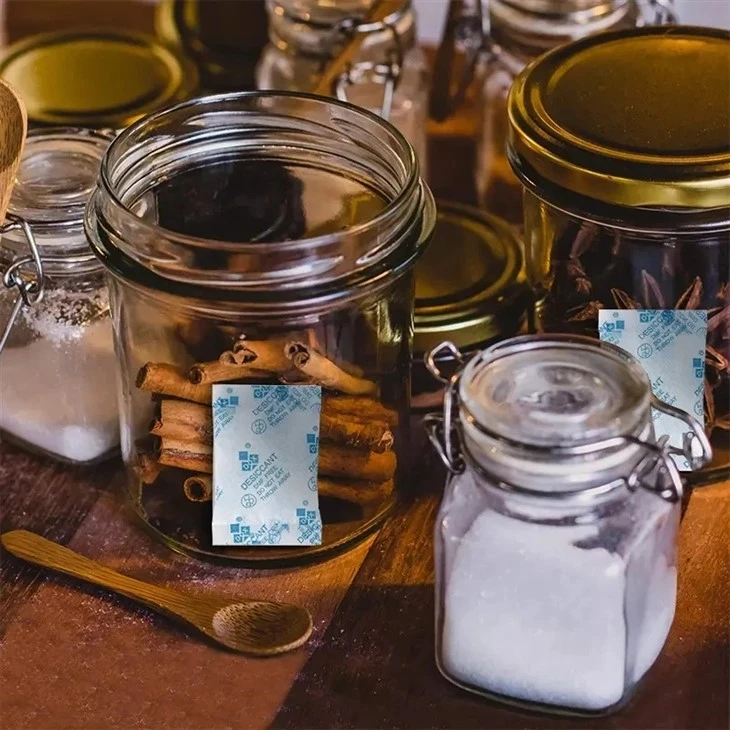
Another thing to note is that silica gel desiccant is also safe for use around food. If you're wondering about food - grade options, we've got Buy Silica Gel Packets For Food available. This shows that our desiccants are of high quality and safe for use in various applications.
In conclusion, silica gel desiccant can definitely be used in musical instruments. It's a simple and effective way to protect your instruments from the harmful effects of humidity. Whether you're a professional musician or an amateur just starting out, taking care of your instrument is essential. And using silica gel desiccant is a cost - effective and easy way to do that.

If you're interested in purchasing silica gel desiccant for your musical instruments or have any questions about our products, don't hesitate to reach out. We're here to help you find the right desiccant solution for your needs. Whether you need a small quantity for a single instrument or a large order for a music school or a professional orchestra, we've got you covered.
References
- "The Effects of Humidity on Musical Instruments" - Journal of Musical Instrument Technology
- "Silica Gel: Properties and Applications" - Industrial Materials Science Review


