


Silica gel desiccants are a common sight in various industries, known for their remarkable ability to absorb moisture and maintain dry environments. As a leading silica gel desiccant supplier, I've encountered numerous inquiries about the diverse applications of these desiccants. One rather unique question that often pops up is, "Can silica gel desiccant be used in a blender?" In this blog post, we'll delve into the science behind silica gel desiccants, assess their suitability for use in blenders, and explore the implications of such usage.
Understanding Silica Gel Desiccants
Silica gel is a porous, amorphous form of silicon dioxide, commonly used as a desiccant due to its high adsorption capacity. It works by attracting and holding water molecules within its microscopic pores through a process called physical adsorption. This property makes silica gel an ideal choice for protecting products from moisture damage, such as electronics, pharmaceuticals, food, and clothing.
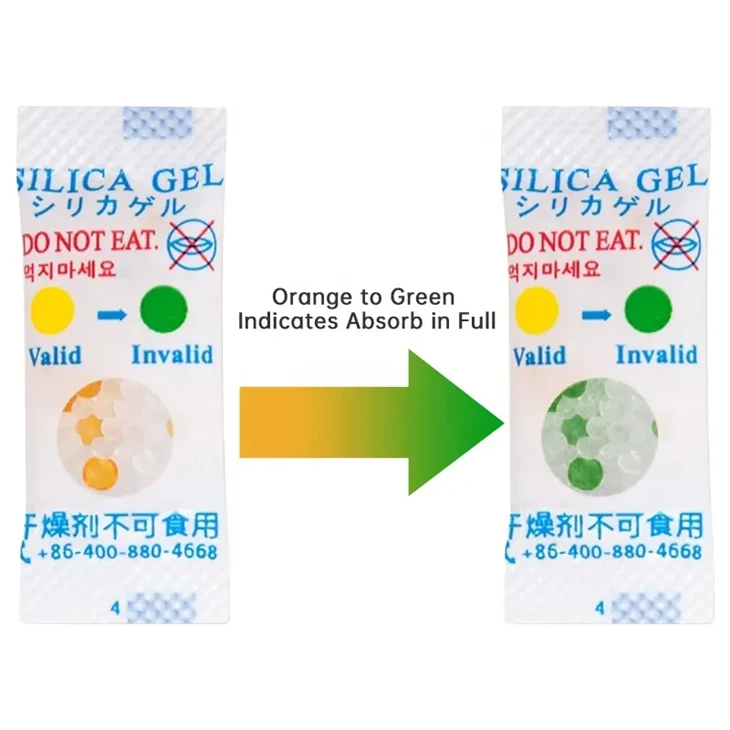
There are different types of silica gel desiccants available in the market, each with its own unique characteristics and applications. Indicating Silica Gel Desiccant is one such type that contains a moisture indicator, usually a dye that changes color when the desiccant reaches its saturation point. This feature allows users to easily monitor the effectiveness of the desiccant and determine when it needs to be replaced.
Silica Gel with Moisture Indicator is another variant that offers the same moisture - indicating functionality. It is often used in applications where visual monitoring of moisture levels is crucial, such as in storage containers for sensitive items.
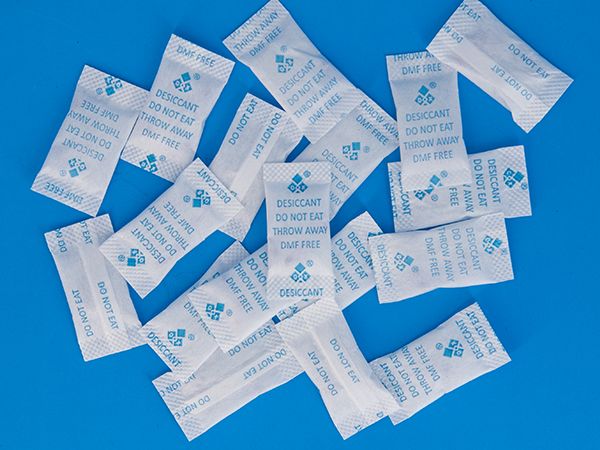
Silica Gel Strip Packets are a convenient form of silica gel desiccant, designed for easy placement in small spaces. They are commonly used in products like shoe boxes, camera cases, and electronic device packaging.
Can Silica Gel Desiccant Be Used in a Blender?
The short answer is no, and there are several reasons for this. First and foremost, safety is a major concern. Silica gel desiccants are not intended for consumption. While most silica gel is non - toxic, it can cause irritation if ingested, inhaled, or comes into contact with the eyes or skin. When used in a blender, there is a high risk of the desiccant being broken down into fine particles that could contaminate the blended contents. If the blended product is intended for human or animal consumption, this could pose a significant health hazard.
Secondly, the physical properties of silica gel are not compatible with the blending process. Blenders are designed to mix, puree, or crush ingredients. Silica gel is a hard, granular substance that can damage the blender blades. The hard particles can cause excessive wear and tear on the blades, leading to reduced performance and potentially shortening the lifespan of the blender.
Moreover, the purpose of a blender is to create a homogeneous mixture of ingredients, while the role of a desiccant is to absorb moisture. Using a desiccant in a blender would not only defeat the purpose of the blending process but also introduce an unwanted and potentially harmful component into the final product.
Alternatives for Maintaining Dryness in Blended Products
If you are concerned about moisture in your blended products, there are safer and more appropriate ways to address the issue. For food products, proper storage is key. Keep the blended food in air - tight containers and store them in a cool, dry place. You can also use food - grade desiccants that are specifically designed for use with food. These desiccants are packaged in a way that prevents direct contact with the food and are made from materials that are safe for consumption.
In industrial settings, where blending is part of a manufacturing process, environmental control systems can be used to maintain low humidity levels. Dehumidifiers can be installed in the production area to reduce moisture in the air, which in turn helps to keep the blended products dry.
Our Role as a Silica Gel Desiccant Supplier
As a silica gel desiccant supplier, our goal is to provide high - quality desiccants for appropriate applications. We offer a wide range of silica gel desiccants, including the types mentioned above, to meet the diverse needs of our customers. Our products are carefully manufactured and tested to ensure their effectiveness and safety.
We understand that our customers may have unique requirements, and we are always ready to provide expert advice on the best desiccant solutions for their specific situations. Whether you need desiccants for packaging, storage, or industrial processes, we can help you find the right product.
Conclusion
In conclusion, using silica gel desiccant in a blender is not a good idea due to safety concerns and the incompatibility of the desiccant with the blending process. However, there are many other suitable applications for silica gel desiccants, and we are here to support you in finding the right solution for your moisture - control needs.
If you are interested in learning more about our silica gel desiccant products or have any questions regarding moisture control, we encourage you to reach out to us. Our team of experts is ready to assist you in making the best choices for your business. Contact us today to start a discussion about your desiccant requirements and explore how we can help you protect your products from moisture damage.
References
- "Silica Gel: A Versatile Desiccant." Journal of Industrial and Engineering Chemistry, Volume 10, Issue 3, 2004.
- "Safety Guidelines for Desiccant Use." International Desiccant Association, 2018.
- "Moisture Control in Food Processing." Food Science and Technology Journal, Volume 25, Issue 2, 2019.


