


As a supplier of food-safe silica gel, I often receive inquiries about the diverse applications of our products. One question that comes up quite frequently is whether food-safe silica gel can be used in flour storage. In this blog post, I'll delve into this topic, exploring the scientific aspects, benefits, and considerations of using food-safe silica gel in flour storage.
Understanding Food-Safe Silica Gel
Food-safe silica gel is a highly porous form of silicon dioxide, which is a natural compound found in sand and quartz. It has a unique structure that allows it to adsorb and hold moisture effectively. The "food-safe" designation means that it meets the safety standards set by relevant authorities for use in contact with food products. This type of silica gel is typically non-toxic, odorless, and chemically inert, making it a reliable choice for various food storage applications.
The Problem of Moisture in Flour Storage
Flour is a staple ingredient in many households and food industries. However, it is highly susceptible to moisture absorption. When flour comes into contact with moisture, several issues can arise. First, moisture can cause the flour to clump together, making it difficult to measure and use. Clumpy flour can also affect the texture and quality of baked goods, resulting in unevenly baked products.
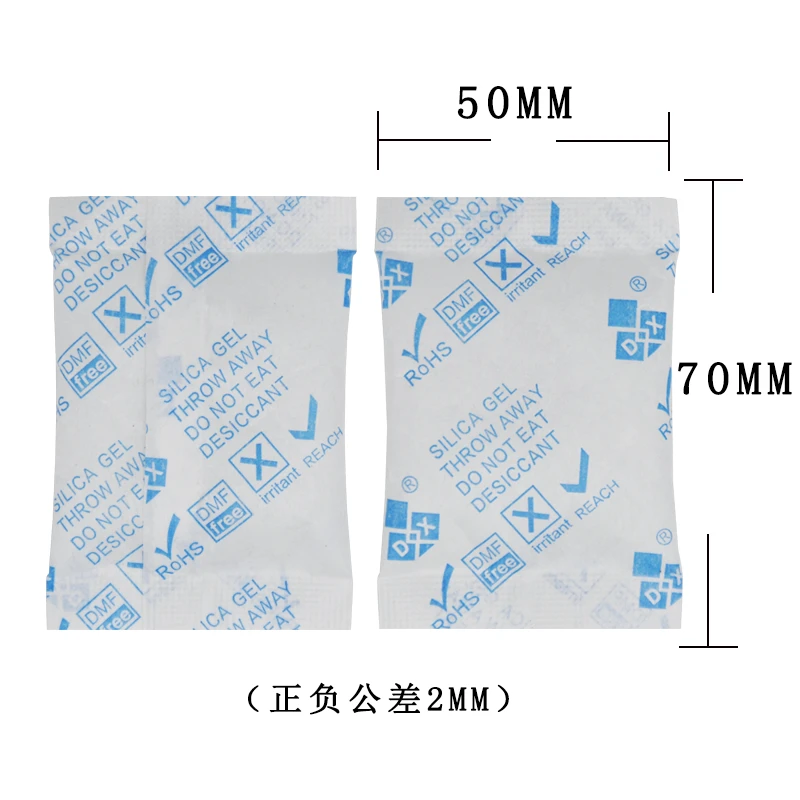
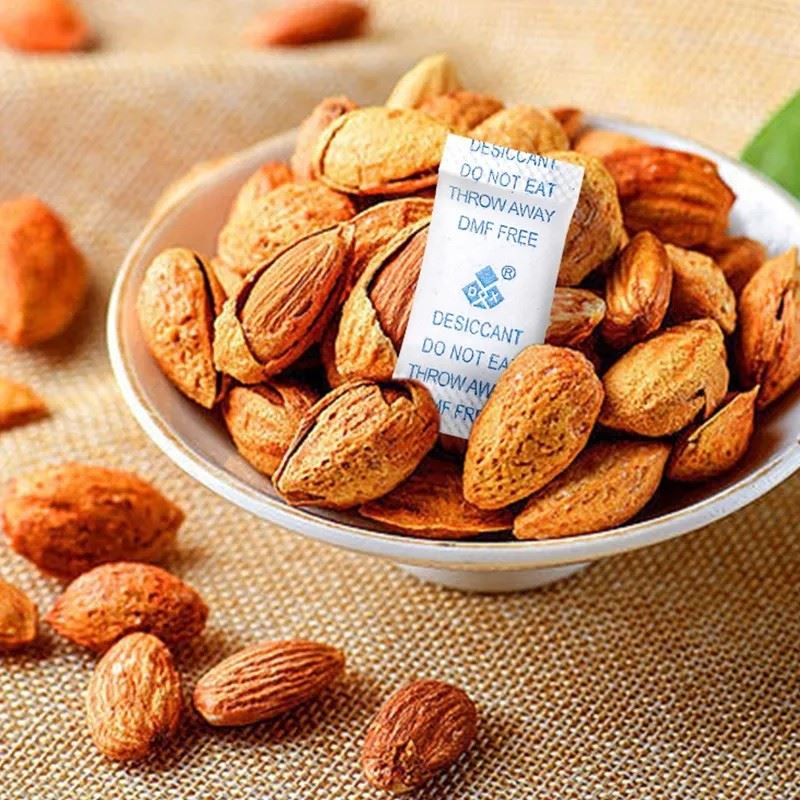
Moreover, moisture provides an ideal environment for the growth of mold and bacteria. Mold growth not only spoils the flour but can also produce mycotoxins, which are harmful to human health. Bacterial contamination can also lead to spoilage and the development of off-flavors in the flour. Therefore, controlling moisture is crucial for maintaining the quality and safety of flour during storage.
How Food-Safe Silica Gel Helps in Flour Storage
Food-safe silica gel acts as a desiccant, which means it can absorb and remove moisture from the surrounding environment. When placed in a container of flour, the silica gel packets attract and trap water molecules, preventing them from interacting with the flour. This helps to keep the flour dry and free from clumping.
By reducing the moisture content in the flour storage environment, food-safe silica gel also inhibits the growth of mold and bacteria. Without sufficient moisture, these microorganisms cannot thrive, ensuring that the flour remains fresh and safe for consumption for a longer period.
Benefits of Using Food-Safe Silica Gel in Flour Storage
- Extended Shelf Life: One of the primary benefits of using food-safe silica gel in flour storage is the extension of the flour's shelf life. By keeping the flour dry and preventing spoilage, silica gel allows you to store flour for a longer time without worrying about it going bad.
- Maintained Quality: Silica gel helps to maintain the quality of the flour by preventing clumping and the development of off-flavors. This ensures that the flour retains its original texture and taste, resulting in better-quality baked goods.
- Cost-Effective: Using food-safe silica gel is a cost-effective solution for flour storage. Silica gel packets are relatively inexpensive and can be reused multiple times. This makes them a practical choice for both households and food businesses.
- Convenience: Silica gel packets are easy to use. Simply place them in the flour container, and they will start working immediately to absorb moisture. They require no special maintenance or handling, making them a convenient option for flour storage.
Considerations When Using Food-Safe Silica Gel in Flour Storage
- Proper Packaging: It is important to use food-safe silica gel packets that are properly packaged. The packets should be made of materials that are safe for contact with food and should have a fine mesh that prevents the silica gel beads from leaking into the flour.
- Quantity: The amount of silica gel needed depends on the size of the flour container and the amount of flour being stored. As a general rule, use one 10 Gram Food Safe Silica Gel Packet for every 1-2 pounds of flour. However, you may need to adjust the quantity based on the humidity levels in your storage environment.
- Monitoring: Periodically check the silica gel packets to see if they are saturated. Saturated silica gel will lose its effectiveness in absorbing moisture. You can tell if a silica gel packet is saturated by its appearance. Some silica gel packets change color when they are saturated, indicating that they need to be replaced.
- Separation: Make sure to keep the silica gel packets separate from the flour. Do not mix the silica gel beads with the flour, as they are not intended for consumption. If a silica gel packet breaks open, remove it immediately and replace it with a new one.
Other Applications of Food-Safe Silica Gel
Food-safe silica gel has a wide range of applications beyond flour storage. It can be used in the storage of other dry food products such as grains, cereals, nuts, and spices. It is also commonly used in the food industry for packaging and transporting food products to maintain their freshness and quality.
In addition to food storage, food-safe silica gel can be used in non-food applications. For example, 10g Silica Packets For Clothing Storage can help prevent mold and mildew growth on clothes during storage. Silica gel can also be used in the storage of electronics to protect them from moisture damage.
Conclusion
In conclusion, food-safe silica gel is a valuable tool for flour storage. It helps to control moisture, prevent clumping, inhibit the growth of mold and bacteria, and extend the shelf life of flour. By using food-safe silica gel, you can ensure that your flour remains fresh, safe, and of high quality.
If you are interested in purchasing food-safe silica gel for flour storage or other applications, we offer a variety of options, including 1g White Silica Gel Desiccant and 10 Gram Food Safe Silica Gel Packet. Our products are of the highest quality and meet all the necessary safety standards. Please feel free to contact us for more information or to discuss your specific requirements. We look forward to working with you to provide the best solutions for your storage needs.
References
- "Food Desiccants: Types, Uses, and Safety." Food Safety Magazine.
- "Silica Gel: Properties, Applications, and Safety." Chemical Engineering Journal.
- "Moisture Control in Food Storage." Food Science and Technology Handbook.


