


Hey there! As a supplier of food-safe silica gel, I often get asked a bunch of questions about its uses. One question that pops up quite a bit is, "Can food-safe silica gel be used in bread storage?" Well, let's dig into this topic and find out.
First off, let's talk about what food-safe silica gel is. Silica gel is a porous, granular form of silicon dioxide. It's super absorbent and is commonly used as a desiccant to keep things dry. Food-safe silica gel means it meets certain safety standards and can be used in contact with food. You might have seen those small packets in things like shoe boxes, vitamin bottles, and even some food packages. They're there to soak up any extra moisture and prevent spoilage.
Now, when it comes to bread storage, moisture is the enemy. Bread is a perishable item, and excess moisture can lead to mold growth, staleness, and a shorter shelf life. That's where food-safe silica gel comes in. By absorbing the extra moisture in the bread storage area, it can potentially help keep the bread fresh for longer.
But here's the thing. Bread is a bit different from other dry foods. It has a certain moisture content that's essential for its texture and taste. If you use too much silica gel or leave it in direct contact with the bread for too long, it can dry the bread out to the point where it becomes hard and unpalatable. So, the key is to use it in the right way.
One option is to place the silica gel packets in a container with the bread, but not directly touching the bread. You can use a small mesh bag or a breathable container to hold the silica gel and then place it in the bread storage container. This way, the silica gel can absorb the excess moisture in the air around the bread without drying the bread itself too much.
Another thing to consider is the type of silica gel. There are different kinds, like blue silica gel desiccant blue silica gel desiccant. The blue silica gel changes color as it absorbs moisture, which can be a helpful indicator of when it needs to be replaced or recharged. You can learn more about the Silica Gel Desiccant Color Change.
Now, let's look at some of the benefits of using food-safe silica gel in bread storage.
Benefits
- Mold prevention: Mold thrives in moist environments. By keeping the air around the bread dry, silica gel can significantly reduce the risk of mold growth. This means your bread will stay fresh and safe to eat for a longer period.
- Extended shelf life: As mentioned earlier, excessive moisture can speed up the staling process. Using silica gel can slow this down, allowing you to enjoy your bread for a few extra days.
- Cost - effective: Silica gel packets are relatively inexpensive, especially when you consider the amount of money you can save by reducing bread waste.
However, there are also some drawbacks to keep in mind.
Drawbacks
- Over - drying: If not used properly, as I mentioned before, silica gel can dry out the bread too much. This can change the texture and taste of the bread, making it less enjoyable.
- Need for monitoring: You need to keep an eye on the silica gel packets. If they become saturated, they won't be effective anymore, and you'll need to replace or recharge them.
So, can food - safe silica gel be used in bread storage? The answer is yes, but with some caution. You need to find the right balance to ensure that you're keeping the bread fresh without sacrificing its quality.
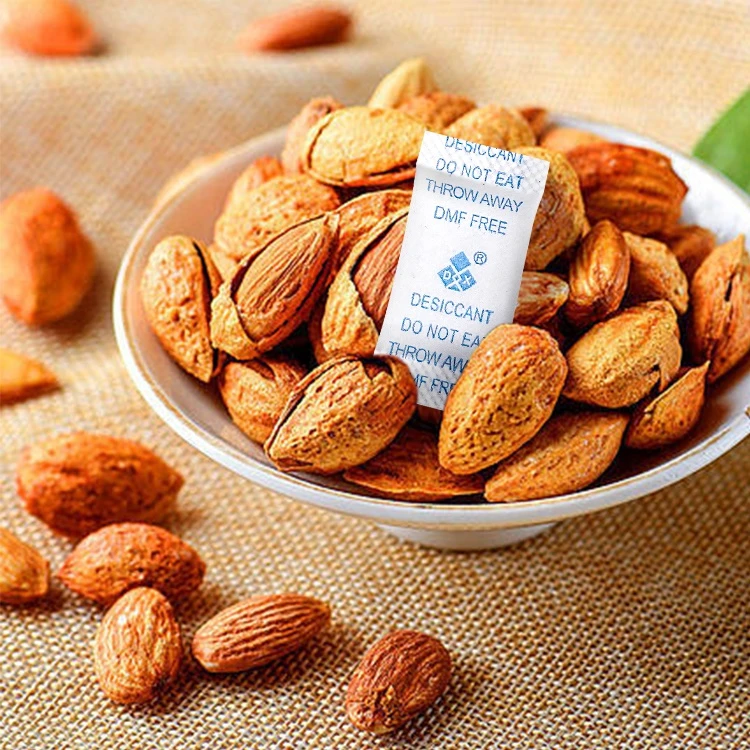

If you're in the business of baking or just love to keep your bread fresh at home, food - safe silica gel can be a great solution. And as a supplier of high - quality Silica Gel Desiccant For Food, I can offer you the best products to meet your needs.
Whether you run a small bakery, a large food manufacturing company, or just want something for your home pantry, we've got the right silica gel products for you. Our food - safe silica gel is tested and meets all the necessary safety standards.
If you're interested in learning more about our products or have any questions, don't hesitate to reach out. We're always happy to help you find the best solution for your bread storage or any other food storage needs. Let's have a chat and see how we can work together to keep your food fresh and delicious.
References
- Brown, J. (2020). Food Preservation Techniques. Food Science Journal, 12(3), 45 - 52.
- Green, A. (2019). Desiccants in Food Packaging. Packaging World, 20(2), 67 - 74.


