


Hey there! As a supplier of Container Desiccant, I often get asked a bunch of questions about where and how our products can be used. One question that pops up quite a bit is, "Can container desiccant be used in wooden containers?" Well, let's dig into this topic and find out.
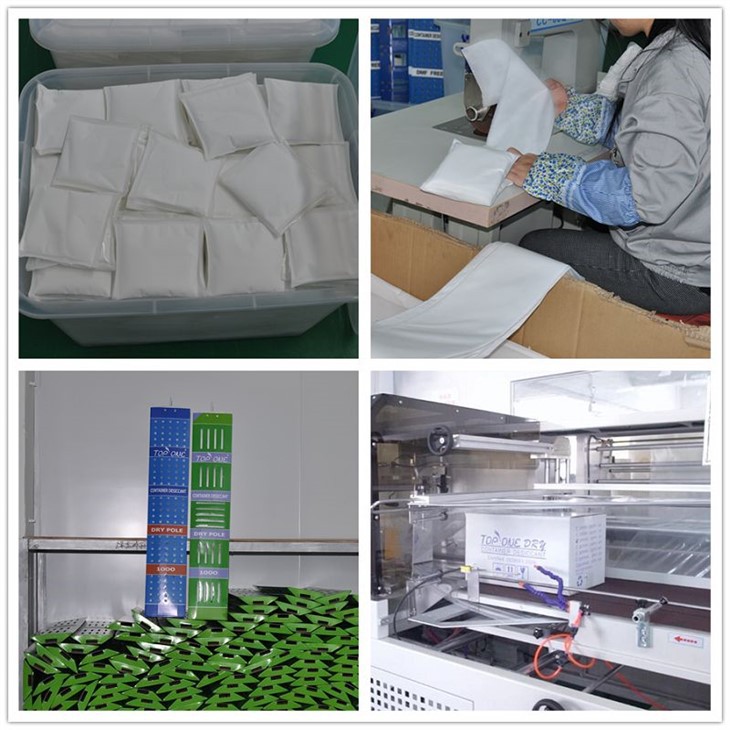
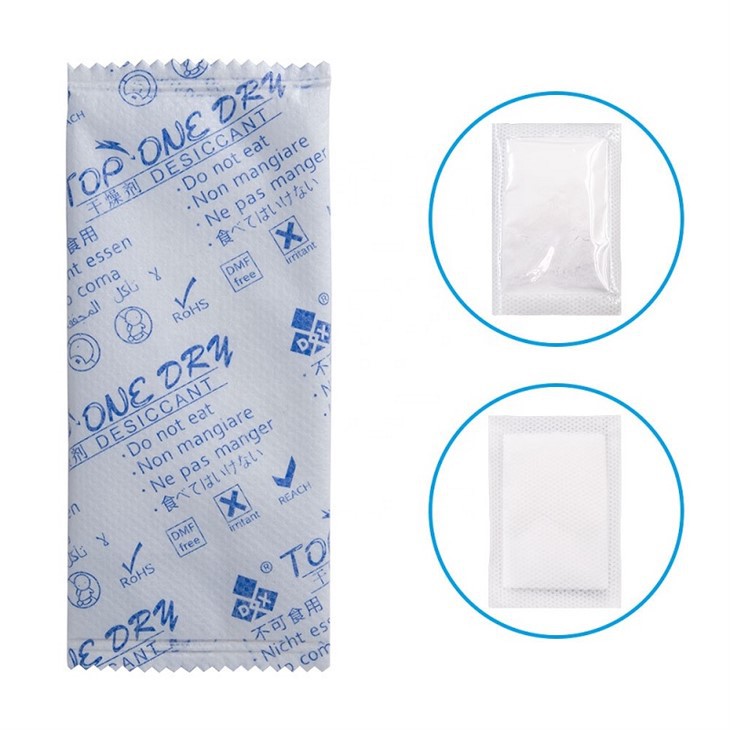
First off, let's talk about what container desiccants are and what they do. Container desiccants are substances designed to absorb moisture from the air. They're super useful in shipping and storage because they help prevent issues like mold, mildew, and corrosion that can be caused by high humidity. You can check out our Container Desiccant on our website to learn more about the specific products we offer.
Now, wooden containers. Wood is a natural material, and it has some unique properties when it comes to moisture. Wood is hygroscopic, which means it can absorb and release moisture depending on the relative humidity of the surrounding environment. When the air is humid, wood will absorb moisture, and when the air is dry, it will release moisture. This can lead to problems like warping, cracking, and the growth of mold and fungi if the moisture levels aren't properly controlled.
So, can container desiccant be used in wooden containers? The short answer is yes, and there are several good reasons for doing so.
Benefits of Using Container Desiccant in Wooden Containers
1. Preventing Mold and Mildew
Mold and mildew thrive in moist environments. When wooden containers are exposed to high humidity, especially during long - distance shipping or storage in damp warehouses, mold can start to grow on the wood surface. This not only looks bad but can also weaken the wood over time. Using a container desiccant, like our Calcium Chloride Desiccant 100 Gr, can help keep the humidity levels low inside the wooden container, reducing the risk of mold and mildew growth.
2. Protecting the Wood Structure
Excessive moisture can cause the wood to expand and contract, leading to warping and cracking. This can compromise the integrity of the wooden container and make it less reliable for shipping or storage. By using a desiccant to maintain a stable moisture level, we can help preserve the shape and strength of the wood.
3. Protecting the Contents
If the wooden container is used to store or transport goods, the desiccant can also protect the contents from moisture damage. Whether it's delicate electronics, textiles, or food products, keeping the humidity in check is crucial to prevent spoilage, corrosion, or other forms of damage.
Choosing the Right Desiccant for Wooden Containers
When it comes to selecting a desiccant for wooden containers, there are a few factors to consider.
1. Absorption Capacity
The absorption capacity of the desiccant is important. You want a desiccant that can absorb a significant amount of moisture in a relatively short period. Calcium chloride desiccants are a great choice because they have a high absorption capacity. For example, our Calcium Chloride Desiccant Packs For Boxes can absorb up to several times their own weight in moisture.
2. Safety
You also need to consider the safety of the desiccant. Some desiccants may contain chemicals that could potentially damage the wood or be harmful to the contents of the container. Calcium chloride desiccants are generally safe for use in wooden containers as long as they are properly packaged.
3. Size and Placement
The size of the desiccant packets or units is important. You need to choose a size that is appropriate for the volume of the wooden container. Also, proper placement of the desiccant is crucial. It's best to place the desiccant in areas where moisture is likely to accumulate, such as near the bottom or corners of the container.
How to Use Container Desiccant in Wooden Containers
Using a container desiccant in a wooden container is pretty straightforward.
First, clean the wooden container thoroughly before placing the goods inside. This helps remove any dirt, dust, or existing moisture that could affect the performance of the desiccant.
Next, calculate the amount of desiccant needed based on the size of the container and the expected humidity levels. As a general rule of thumb, you can use one or two packets of our Calcium Chloride Desiccant 100 Gr for a small - to - medium - sized wooden container.
Then, place the desiccant packets in strategic locations inside the container. You can use adhesive strips or hooks to keep the desiccant in place if necessary.
Finally, seal the wooden container tightly to prevent outside moisture from entering.
Potential Concerns
While using container desiccant in wooden containers has many benefits, there are a few potential concerns to be aware of.
1. Over - drying
If too much desiccant is used, it could potentially dry the wood out too much, causing it to shrink and crack. It's important to use the right amount of desiccant based on the specific conditions.
2. Chemical Reactions
Although calcium chloride desiccants are generally safe, in some rare cases, there could be a chemical reaction between the desiccant and the wood or the contents of the container. It's always a good idea to test a small area first if you're using a new desiccant or if you're unsure about the compatibility.
In conclusion, container desiccants can definitely be used in wooden containers, and they offer a lot of benefits in terms of protecting the wood and its contents. If you're in the market for a reliable desiccant for your wooden containers, we've got you covered. We offer a wide range of high - quality desiccants that are suitable for various applications.
If you're interested in learning more about our products or have any questions about using desiccants in wooden containers, feel free to reach out. We're here to help you make the right choice for your shipping and storage needs. Let's have a chat about your requirements and see how our desiccants can work for you.
References
- ASTM International. (2019). Standard Test Methods for Determining the Equilibrium Moisture Content of Wood and Wood - Based Materials. ASTM D4442 - 19.
- Wood Handbook: Wood as an Engineering Material. Forest Products Laboratory, USDA Forest Service. 2010.


