Hey there! As a supplier of Container Desiccant Bags, I often get asked whether these desiccant bags can be used in wooden containers. Well, let's dive right into it and find out.
First off, let's understand why we need desiccants in the first place. During the shipping process, especially in long - distance sea freight, containers are exposed to different environmental conditions. Temperature changes can cause condensation to form inside the container. This moisture can lead to all sorts of problems, like rust on metal goods, mold growth on organic materials, and damage to electronic components.
Now, wooden containers have their own unique characteristics. Wood is a porous material, which means it can absorb and release moisture depending on the surrounding humidity. When the humidity inside the container rises, the wood will soak up the moisture. Over time, this can cause the wood to swell, warp, or even rot. And if you're shipping goods inside the wooden container, the excess moisture can also harm them.
So, can container desiccant bags be used in wooden containers? The answer is a resounding yes! Container desiccant bags, such as Container Desiccant, are designed to absorb moisture from the air. They work great in wooden containers because they can help maintain a low - humidity environment.
One of the most popular types of desiccants for container use is calcium chloride. Large Desiccant Bag Calcium Chloride is a powerful option. Calcium chloride is a hygroscopic substance, which means it has a strong affinity for water. It can absorb up to several times its own weight in moisture. When placed in a wooden container, these desiccant bags will start pulling moisture out of the air, reducing the risk of condensation and protecting both the wood and the goods inside.
Another option is Calcium Chloride Desiccant Packs. These packs are convenient and can be easily placed in different parts of the wooden container. You can put them in the corners, near the doors, or even among the goods if possible. This ensures that the moisture is evenly absorbed throughout the container.
When using desiccant bags in wooden containers, there are a few things to keep in mind. First, you need to calculate the right amount of desiccant. The amount depends on the size of the container, the type of goods being shipped, and the expected humidity levels during the journey. A general rule of thumb is to use more desiccant for larger containers and for goods that are more sensitive to moisture.

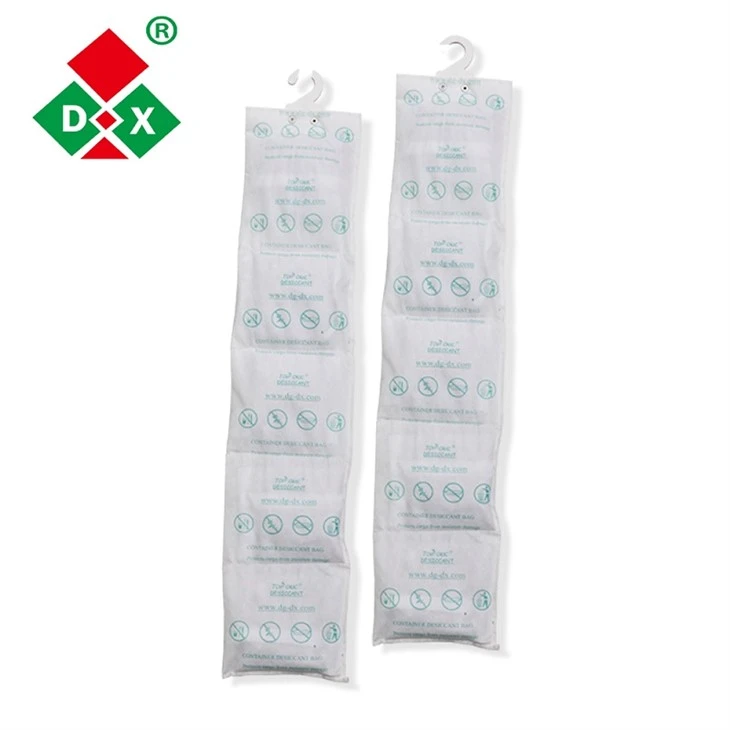
Second, make sure the desiccant bags are properly placed. They should be hung or placed in a way that allows for good air circulation. If the bags are blocked or stuffed in a corner where air can't reach them, they won't work as effectively.
Third, keep an eye on the desiccant bags during the shipping process. Some desiccants change color when they are saturated with moisture. If you notice that the desiccant has reached its capacity, you might need to replace it. This can be a bit tricky during a long - distance shipment, but it's something to consider for shorter trips or when the container can be easily accessed.
Using container desiccant bags in wooden containers has many benefits. For the wooden container itself, it helps prevent damage to the wood. This is important because a damaged wooden container might not be reusable, and it can also pose a risk to the goods during transportation. For the goods inside, it provides an extra layer of protection against moisture - related damage. Whether you're shipping food products, textiles, or electronics, keeping the humidity low is crucial.
In addition, using desiccant bags is a cost - effective solution. Compared to other methods of moisture control, such as using dehumidifiers or climate - controlled containers, desiccant bags are relatively inexpensive. They are also easy to use and require no special equipment or installation.
To sum it up, container desiccant bags are a great choice for wooden containers. They can effectively absorb moisture, protect the wood, and safeguard the goods inside. Whether you're a small business owner shipping a few wooden crates or a large corporation handling a large volume of wooden containers, desiccant bags can be a valuable addition to your shipping strategy.
If you're interested in purchasing container desiccant bags for your wooden containers, I'd love to have a chat with you. We can discuss your specific needs, calculate the right amount of desiccant, and find the best solution for your shipments. Just reach out, and we can start the conversation about how we can help you protect your goods and containers from moisture damage.
References
- Handbook of Desiccants and Moisture Control, various authors
- Shipping Industry Best Practices for Moisture Management, industry reports