


Can clay desiccant bags be used in a wine fridge?
As a supplier of Clay Desiccant Bags, I often receive inquiries from customers about the suitability of our products for various applications, including wine fridges. In this blog post, I will explore whether clay desiccant bags can be used in a wine fridge, the benefits they offer, and some considerations to keep in mind.
Understanding the Role of Humidity in a Wine Fridge
Before delving into the use of clay desiccant bags, it's important to understand the significance of humidity in a wine fridge. Wine is a delicate beverage that can be significantly affected by its storage environment. Humidity plays a crucial role in maintaining the integrity of wine bottles, particularly the corks.
A humidity level between 50% and 80% is generally recommended for wine storage. If the humidity is too low, the corks can dry out, allowing air to enter the bottle and oxidize the wine. On the other hand, if the humidity is too high, it can lead to mold growth on the labels and corks, as well as damage to the wine fridge itself.
How Clay Desiccant Bags Work
Clay desiccant bags are made from natural clay materials, such as Bentonite Clay Desiccant. These materials have a high porosity, which allows them to absorb and hold moisture from the surrounding air. When placed in a wine fridge, clay desiccant bags act as a moisture absorber, helping to maintain a stable humidity level.
The absorption process is based on the principle of adsorption, where water molecules adhere to the surface of the clay particles. As the desiccant absorbs moisture, it gradually becomes saturated. Once saturated, the desiccant can be regenerated by heating it to remove the absorbed moisture, making it reusable.
Benefits of Using Clay Desiccant Bags in a Wine Fridge
- Maintaining Optimal Humidity: By absorbing excess moisture, clay desiccant bags help to keep the humidity level in the wine fridge within the recommended range. This helps to prevent the corks from drying out and protects the wine from oxidation.
- Preventing Mold Growth: High humidity levels can create a favorable environment for mold growth. Clay desiccant bags help to reduce the moisture content in the air, minimizing the risk of mold formation on the labels, corks, and inside the wine fridge.
- Natural and Safe: Clay desiccant bags are made from natural materials, making them a safe and environmentally friendly option for wine storage. They do not release any harmful chemicals or odors that could affect the quality of the wine.
- Cost-Effective: Clay desiccant bags are relatively inexpensive compared to other types of desiccants. Additionally, they can be regenerated and reused multiple times, reducing the overall cost of humidity control in the wine fridge.
Considerations When Using Clay Desiccant Bags in a Wine Fridge
- Placement: It's important to place the clay desiccant bags in the right location within the wine fridge. They should be placed in areas where air circulation is good, such as near the vents or in the corners of the fridge. Avoid placing the desiccant bags directly on the wine bottles, as this could cause damage to the labels.
- Monitoring Humidity Levels: While clay desiccant bags can help to maintain a stable humidity level, it's still important to monitor the humidity regularly using a hygrometer. This will allow you to adjust the number of desiccant bags or their placement as needed.
- Regeneration: As mentioned earlier, clay desiccant bags need to be regenerated once they become saturated. The regeneration process involves heating the desiccant at a specific temperature for a certain period of time. Follow the manufacturer's instructions carefully to ensure proper regeneration.
- Compatibility with Wine: Although clay desiccant bags are generally safe for wine storage, it's a good idea to test a small area first to ensure that they do not have any adverse effects on the wine. Some wines may be more sensitive to changes in the storage environment, so it's important to take this into consideration.
Choosing the Right Clay Desiccant Bags
When selecting clay desiccant bags for your wine fridge, there are a few factors to consider:

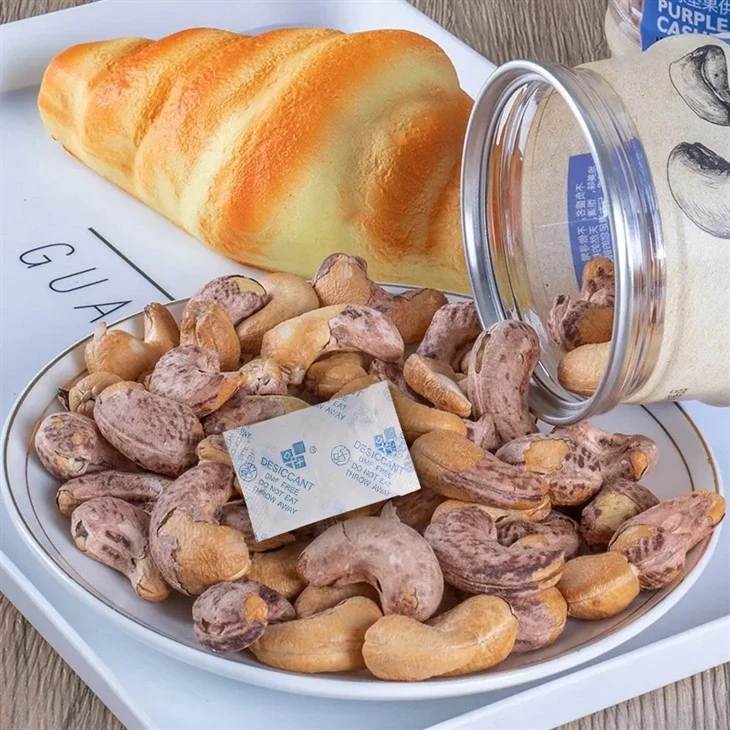
- Absorption Capacity: Choose desiccant bags with a sufficient absorption capacity based on the size of your wine fridge. Larger fridges will require more desiccant to maintain the desired humidity level.
- Bag Size and Quantity: Consider the size and quantity of the desiccant bags that will fit comfortably in your wine fridge. You may need to use multiple bags to ensure adequate moisture absorption.
- Quality and Brand: Look for high-quality clay desiccant bags from a reputable supplier. This will ensure that the desiccant bags are effective and reliable in controlling humidity.
At our company, we offer a range of Clay Desiccant Packs and Clay Pack Desiccant Bag options that are specifically designed for wine storage. Our products are made from premium quality clay materials and are rigorously tested to ensure optimal performance.
Conclusion
In conclusion, clay desiccant bags can be a valuable addition to a wine fridge. They offer a simple, effective, and cost-efficient way to maintain a stable humidity level, protect the wine from oxidation and mold growth, and ensure the long-term quality of the wine. By following the considerations mentioned above and choosing the right clay desiccant bags, you can enjoy the benefits of proper humidity control in your wine fridge.
If you're interested in purchasing clay desiccant bags for your wine fridge or have any questions about our products, please feel free to contact us. We're here to help you find the best solution for your wine storage needs.
References
- "The Importance of Humidity in Wine Storage." Wine Enthusiast.
- "Desiccants: How They Work and Why They're Important." ScienceDirect.


