


Can an Auto Moisture Absorber be used in a camera equipment storage?
As a supplier of auto moisture absorbers, I often get asked about the versatility of our products. One common question that piques my interest is whether an auto moisture absorber can be used in camera equipment storage. In this blog post, I'll explore this topic in detail, providing scientific insights and practical advice.
The Importance of Controlling Humidity for Camera Equipment
Camera equipment, including lenses, cameras, and memory cards, is sensitive to environmental conditions, especially humidity. High humidity levels can lead to a range of problems, such as mold growth, corrosion, and fogging of lenses. Mold can damage the delicate coatings on lenses and cameras, while corrosion can affect the electrical components and mechanical parts. Fogging, on the other hand, can impair the quality of images and make it difficult to use the equipment.
To ensure the longevity and performance of camera equipment, it's essential to maintain a stable and low humidity environment. The ideal humidity range for camera storage is between 40% and 50%. At this level, the risk of mold growth and corrosion is significantly reduced, and the equipment can function optimally.
How Auto Moisture Absorbers Work
Auto moisture absorbers, also known as car dehumidifiers, are designed to remove excess moisture from the air. They typically use a desiccant material, such as silica gel or calcium chloride, to absorb water vapor. As the air passes through the absorber, the desiccant traps the moisture, reducing the humidity level in the surrounding environment.
One of the key advantages of auto moisture absorbers is their portability and ease of use. They are compact and can be placed in small spaces, such as glove compartments, trunks, or camera bags. They also require minimal maintenance, as most models can be recharged or replaced once the desiccant is saturated.
Can Auto Moisture Absorbers be Used in Camera Equipment Storage?
The short answer is yes, auto moisture absorbers can be used in camera equipment storage. Their ability to reduce humidity levels makes them a suitable solution for protecting camera equipment from the damaging effects of moisture. However, there are a few factors to consider before using an auto moisture absorber in this context.
Size and Capacity
When choosing an auto moisture absorber for camera equipment storage, it's important to consider the size and capacity of the absorber. The size of the absorber should be appropriate for the size of the storage space. For example, a small camera bag may only require a small absorber, while a large camera cabinet may need a larger one.
The capacity of the absorber refers to the amount of moisture it can absorb before it needs to be recharged or replaced. A higher capacity absorber will last longer and require less frequent maintenance. It's important to choose an absorber with a capacity that is suitable for the humidity level in the storage environment.
Compatibility with Camera Equipment
Another important factor to consider is the compatibility of the auto moisture absorber with camera equipment. Some desiccant materials, such as calcium chloride, can be corrosive and may damage camera equipment if they come into direct contact. It's important to choose an absorber that uses a non-corrosive desiccant material, such as silica gel.
In addition, some auto moisture absorbers may release small particles or dust into the air, which can also damage camera equipment. It's important to choose an absorber that is designed to minimize the release of particles and dust.
Placement
The placement of the auto moisture absorber in the camera equipment storage space is also important. It should be placed in a location where it can effectively circulate the air and absorb moisture. For example, it can be placed near the top of the storage space, where the warm, moist air tends to rise.
It's also important to ensure that the absorber is not placed too close to the camera equipment, as this can cause the equipment to dry out too quickly and may damage the delicate components.
Benefits of Using Auto Moisture Absorbers in Camera Equipment Storage
Using an auto moisture absorber in camera equipment storage offers several benefits, including:
Protection from Mold and Corrosion
By reducing the humidity level in the storage environment, auto moisture absorbers can help prevent the growth of mold and the corrosion of camera equipment. This can extend the lifespan of the equipment and reduce the need for costly repairs or replacements.
Improved Image Quality
Fogging of lenses can significantly impair the quality of images. By maintaining a low humidity level, auto moisture absorbers can help prevent fogging and ensure that the lenses remain clear and sharp.
Convenience and Cost-Effectiveness
Auto moisture absorbers are portable and easy to use, making them a convenient solution for camera equipment storage. They are also cost-effective, as they require minimal maintenance and can be recharged or replaced at a relatively low cost.
Conclusion
In conclusion, auto moisture absorbers can be used in camera equipment storage to protect the equipment from the damaging effects of moisture. However, it's important to choose an absorber that is appropriate for the size and capacity of the storage space, compatible with the camera equipment, and placed in a location where it can effectively circulate the air and absorb moisture.

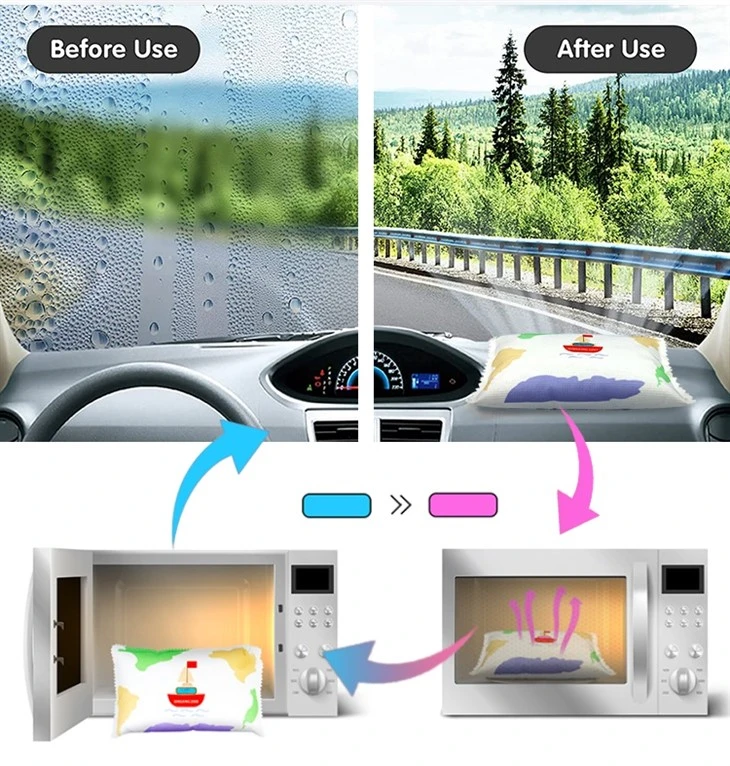
If you're interested in purchasing an auto moisture absorber for your camera equipment storage, I recommend checking out our Car Dehumidifier Reusable, Car Moisture Absorber, or reusable dehumidifier bag. These products are designed to effectively reduce humidity levels and protect your camera equipment from mold and corrosion.
If you have any questions or would like to discuss your specific needs, please feel free to contact us. We're here to help you find the best solution for your camera equipment storage.
References
- "Humidity and Camera Equipment: How to Protect Your Gear." Photography Life, 2023.
- "The Importance of Controlling Humidity in Camera Storage." B&H Photo Video, 2023.
- "How to Choose the Right Dehumidifier for Your Camera Equipment." Camera Harmony, 2023.


