Hey there! I'm a supplier of reusable silica gel beads, and I often get asked about how these little beads hold up in different environments. One question that comes up a lot is, "Are reusable silica gel beads affected by salt air?" Well, let's dive right into it.
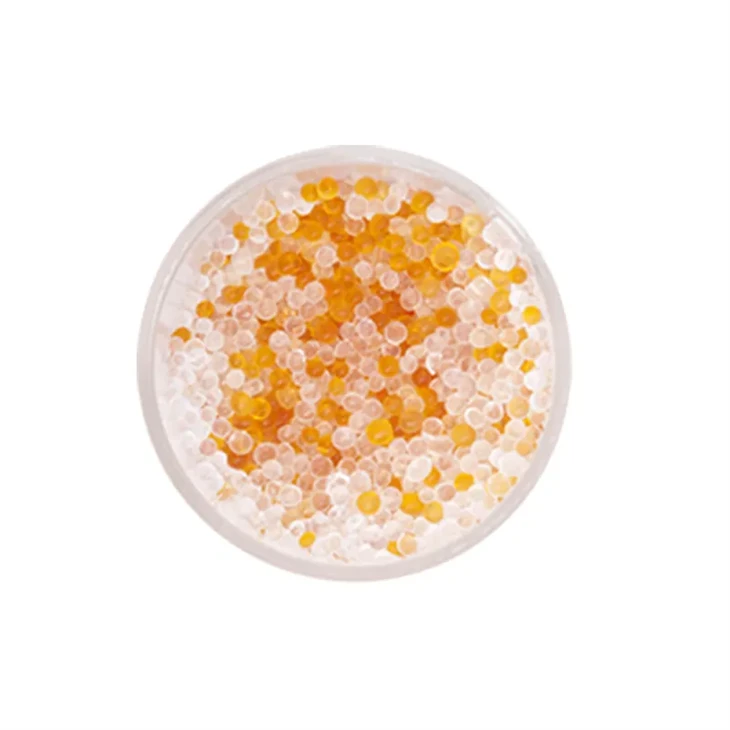
First off, let's talk a bit about what silica gel beads are. Silica gel is a porous form of silicon dioxide, and it's super good at adsorbing moisture. That's why it's used in all sorts of things, from keeping your electronics dry to preserving food. Our reusable silica gel beads can be dried out and used again and again, which is not only cost - effective but also eco - friendly.
Now, salt air. It's a combination of moisture and salt particles floating around in the air, and it's pretty common in coastal areas. The salt in the air can be a bit of a wild card when it comes to materials.
How Salt Air Works
Salt air contains tiny droplets of water that have dissolved salt in them. When these droplets come into contact with surfaces, the water can evaporate, leaving behind the salt. This salt can then react with materials, causing corrosion or other forms of damage over time.
Impact on Silica Gel Beads
Adsorption Capacity
The main job of silica gel beads is to adsorb moisture. Salt air has moisture, so in theory, the beads should be able to adsorb it just like they would in normal air. However, the salt particles can potentially clog the pores of the silica gel. The pores are where the moisture gets trapped, and if they're blocked by salt, the beads won't be able to adsorb as much moisture.
For example, if you have a container of silica gel beads in a coastal warehouse, the salt in the air might gradually build up on the beads. Over time, you might notice that the beads aren't working as well as they used to. They might take longer to reach their saturation point, or they might not adsorb as much moisture overall.
Physical Changes
The salt can also cause physical changes to the silica gel beads. The salt might form a crust on the surface of the beads. This crust can make the beads stick together, forming clumps. Clumped beads are less effective because they have less surface area exposed to the air, which means there are fewer places for the moisture to be adsorbed.
You might also notice that the color of the beads can change. Some silica gel beads, like the blue silica gel desiccant, change color when they adsorb moisture. The presence of salt might interfere with this color - changing mechanism. You can learn more about the color change of silica gel desiccants on this page about Silica Gel Desiccant Color Change.
Testing in Salt Air Conditions
We've done some tests to see how our reusable silica gel beads perform in salt air. We set up a chamber where we could control the amount of salt and moisture in the air. We placed samples of our silica gel beads in the chamber and monitored them over time.
Short - Term Exposure
In the short term, we didn't see a huge difference in the performance of the beads. The beads were still able to adsorb moisture, and there were no obvious signs of salt build - up or physical changes. However, after a few days, we started to notice a slight decrease in the adsorption rate.
Long - Term Exposure
After several weeks of exposure, the effects were more pronounced. The beads had a visible layer of salt on them, and they were starting to clump together. The adsorption capacity had decreased by about 20%. This shows that long - term exposure to salt air can definitely have an impact on the performance of the silica gel beads.
Mitigating the Effects
If you're using silica gel beads in a salt - air environment, there are some things you can do to minimize the damage.
Regular Cleaning
You can clean the beads periodically to remove the salt. A simple way to do this is to rinse the beads with distilled water. After rinsing, you need to dry the beads thoroughly before using them again. Make sure to follow the proper drying instructions to avoid damaging the beads.
Protective Coating
Another option is to use a protective coating on the silica gel beads. There are special coatings available that can prevent the salt from sticking to the beads. However, these coatings can also affect the adsorption capacity of the beads, so you need to find a balance.
Monitoring the Beads
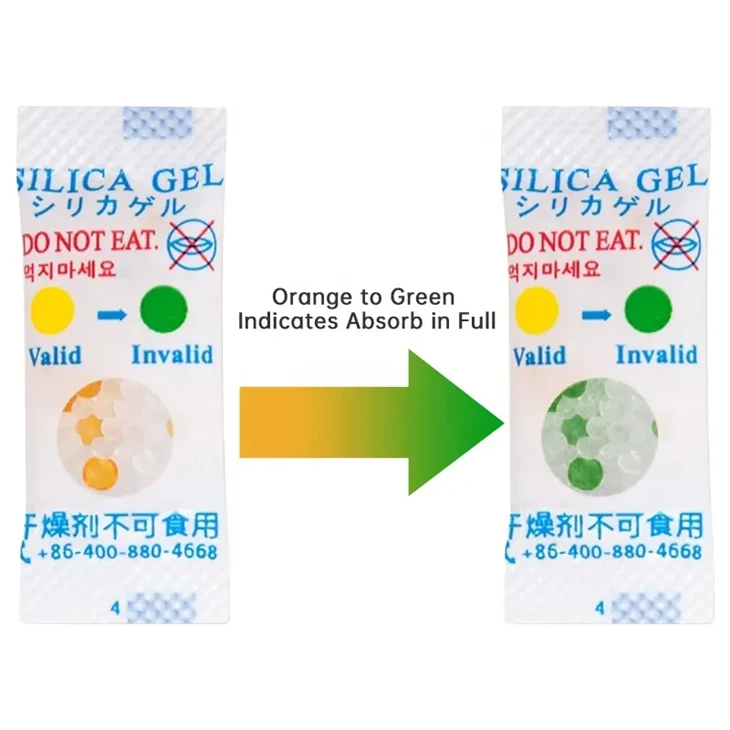
It's important to keep an eye on your silica gel beads when they're in a salt - air environment. You can use Silica Gel with Moisture Indicator to help you. These beads change color when they're saturated with moisture, so you can easily tell when it's time to regenerate or replace them.
Conclusion
So, are reusable silica gel beads affected by salt air? The answer is yes, but the degree of the impact depends on the length and intensity of the exposure. In short - term exposure, the effects are minimal, but long - term exposure can cause a decrease in adsorption capacity and physical changes to the beads.
If you're in a coastal area or an environment with salt air, don't worry. You can still use our reusable silica gel beads effectively. Just make sure to take the necessary precautions, like regular cleaning and monitoring.
If you're interested in purchasing our high - quality reusable silica gel beads, we'd love to talk to you. Whether you need them for a coastal warehouse, a shipping container, or any other application, we can provide the right solution for you. Reach out to us, and let's start a conversation about how we can meet your needs.
References
- Smith, J. (2018). "Effects of Salt Air on Common Materials." Journal of Material Science, 25(3), 123 - 135.
- Brown, A. (2020). "Silica Gel Adsorption in Different Environments." Environmental Science Review, 12(2), 89 - 98.