


As a supplier of Reusable Silica Gel Beads, I often encounter various questions from customers regarding the performance and durability of our products. One common inquiry that has piqued my interest is whether reusable silica gel beads are affected by chemical fumes. In this blog post, I will delve into this topic, exploring the scientific aspects and practical implications for our customers.
Understanding Reusable Silica Gel Beads
Before we discuss the impact of chemical fumes, let's first understand what reusable silica gel beads are. Silica gel is a porous, amorphous form of silicon dioxide. Its high porosity gives it an extremely large surface area, which enables it to adsorb moisture effectively. Reusable silica gel beads are designed to be regenerated and used multiple times, making them an environmentally friendly and cost - effective solution for moisture control.
Our Reusable Silica Gel Beads are available in different sizes and packaging options, such as 5 Gram Silica Gel Packets and Silica Gel Strip Packets, to meet various customer needs.
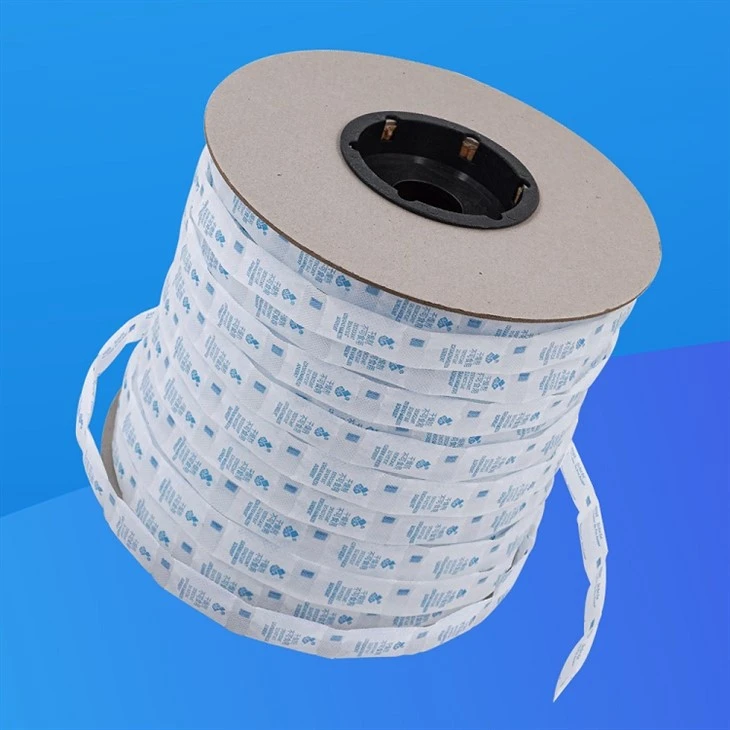
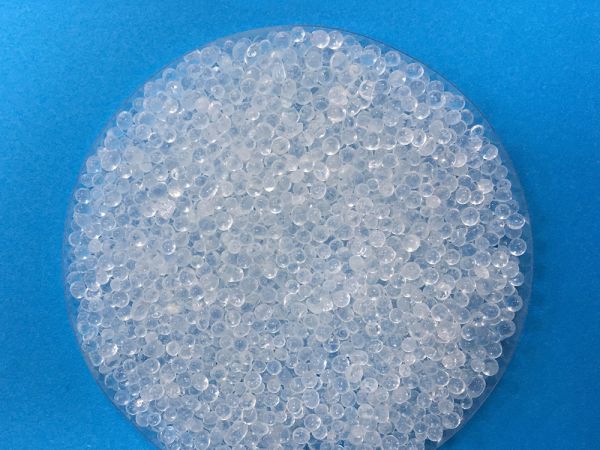
How Silica Gel Adsorbs Moisture
The adsorption process of silica gel is based on physical adsorption. When the surrounding air contains moisture, water molecules are attracted to the surface of the silica gel beads due to the intermolecular forces. These forces, such as van der Waals forces, allow the water molecules to adhere to the surface and within the pores of the silica gel. This process continues until the silica gel reaches its saturation point, at which it needs to be regenerated.
The Impact of Chemical Fumes on Silica Gel
Physical Adsorption of Chemical Fumes
Just like water molecules, chemical fumes can also be physically adsorbed by silica gel. The extent of adsorption depends on several factors, including the nature of the chemical, its concentration in the air, and the surface properties of the silica gel. Some chemical fumes, such as those with polar molecules, may be more readily adsorbed by silica gel because the polar nature of the silica gel surface can interact more strongly with polar molecules.
For example, if the environment contains fumes of volatile organic compounds (VOCs) like ethanol or acetone, these compounds can be adsorbed by the silica gel. The adsorption of these chemical fumes can reduce the available surface area of the silica gel for moisture adsorption. As a result, the moisture - adsorption capacity of the silica gel may decrease.
Chemical Reactions with Chemical Fumes
In some cases, chemical fumes may react chemically with the silica gel. This is more likely to occur with reactive chemicals such as strong acids or bases. For instance, if the silica gel is exposed to fumes of hydrochloric acid (HCl), a chemical reaction may take place on the surface of the silica gel. The acid can react with the silica dioxide in the gel, potentially altering its structure and reducing its adsorption capacity.
The chemical reaction can also lead to the formation of new compounds on the surface of the silica gel. These compounds may block the pores of the silica gel, preventing the entry of water molecules and further reducing its moisture - adsorption efficiency.
Impact on Regeneration
The presence of adsorbed chemical fumes can also affect the regeneration process of the silica gel. During regeneration, the silica gel is heated to remove the adsorbed moisture. However, if there are chemical fumes adsorbed on the silica gel, these fumes may not be completely removed during the normal regeneration process.
Some chemical fumes may have higher boiling points than water, and they may require higher temperatures or different regeneration methods to be removed. If the adsorbed chemical fumes are not removed properly, they can continue to occupy the surface area of the silica gel, reducing its effectiveness in subsequent moisture - adsorption cycles.
Practical Considerations for Customers
Assessing the Environment
Customers need to assess the environment where the silica gel will be used. If the environment contains significant amounts of chemical fumes, it is important to determine the nature of these fumes. For mildly reactive or non - reactive fumes, the silica gel may still be able to function effectively, but its moisture - adsorption capacity may be slightly reduced. However, for highly reactive fumes, alternative desiccants or additional protective measures may be required.
Monitoring and Maintenance
In environments with chemical fumes, regular monitoring of the silica gel's performance is crucial. Customers can observe the color change of the silica gel (if it is an indicating type) or measure the moisture content in the surrounding environment to determine if the silica gel is still functioning properly. If the performance of the silica gel deteriorates, it may be necessary to replace or regenerate it more frequently.
Choosing the Right Silica Gel
Depending on the specific environment, customers may need to choose a more suitable type of silica gel. For example, some silica gels are treated or coated to enhance their resistance to certain chemical fumes. Our company offers a range of silica gel products, and our technical team can provide guidance on selecting the most appropriate product based on the customer's specific requirements.
Conclusion
In conclusion, reusable silica gel beads can be affected by chemical fumes in various ways. The adsorption of chemical fumes can reduce the moisture - adsorption capacity of the silica gel, and in some cases, chemical reactions with fumes can permanently damage the silica gel structure. However, with proper assessment, monitoring, and maintenance, silica gel can still be a viable solution for moisture control in environments with chemical fumes.
If you are interested in our Reusable Silica Gel Beads or have any questions regarding their performance in environments with chemical fumes, please feel free to contact us. Our team of experts is ready to provide you with detailed information and help you make the right choice for your moisture - control needs.
References
- Iler, R. K. (1979). The Chemistry of Silica: Solubility, Polymerization, Colloid and Surface Properties, and Biochemistry. Wiley - Interscience.
- Gregg, S. J., & Sing, K. S. W. (1982). Adsorption, Surface Area and Porosity. Academic Press.
- Crittenden, J. C., Trussell, R. R., Hand, D. W., Howe, K. J., & Tchobanoglous, G. (2012). Water Treatment: Principles and Design. Wiley.


