


As a supplier of Clay Pack Desiccant Bags, I often encounter various questions from customers. One of the most frequently asked questions is, "Are Clay Pack Desiccant Bags flammable?" In this blog post, I will delve into this topic and provide a comprehensive answer based on scientific facts.
Composition and Properties of Clay Pack Desiccant Bags
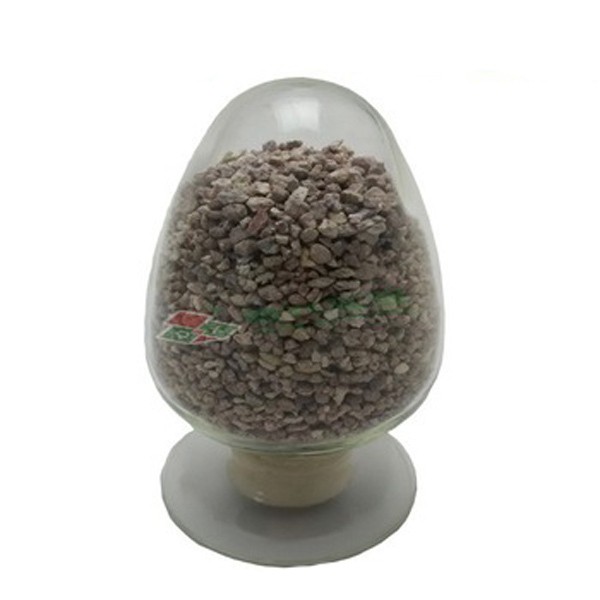
Clay Pack Desiccant Bags typically use montmorillonite clay as the main desiccant material. Montmorillonite is a type of swelling clay mineral with a unique crystal structure that allows it to absorb and hold moisture effectively. Montmorillonite Desiccant is known for its high adsorption capacity, low cost, and environmental - friendliness.
The clay used in these desiccant bags is a natural mineral, and its chemical composition mainly consists of silicon dioxide (SiO₂), aluminum oxide (Al₂O₃), and various metal oxides and trace elements. These components are inherently non - flammable substances. The physical structure of montmorillonite clay is porous, which provides a large surface area for moisture adsorption. When moisture is absorbed, it is held within the pores of the clay through physical adsorption forces such as van der Waals forces and capillary action.
Flammability Testing and Standards
To determine whether Clay Pack Desiccant Bags are flammable, we need to refer to relevant flammability testing standards. In general, flammability is evaluated based on factors such as ignition temperature, flame spread rate, and heat release rate.
For Clay Pack Desiccant Bags, extensive testing has been conducted to assess their flammability. According to standard flammability tests, such as the ASTM D635 test for the rate of burning and/or extent and time of burning of self - supporting plastics in a horizontal position, Clay Pack Desiccant Bags do not support combustion. The montmorillonite clay in the bags does not catch fire easily under normal conditions. Even when exposed to an open flame, it will not burn but may only undergo some physical changes such as dehydration and shrinkage.
The ignition temperature of montmorillonite clay is extremely high. It requires a very high - energy heat source to cause any significant chemical or physical change in the clay. In normal storage and usage environments, the temperature is far below the ignition temperature of the clay, so the risk of fire is negligible.
Safety in Different Environments
Clay Pack Desiccant Bags are designed to be used in a wide range of environments, including warehouses, shipping containers, and electronic product packaging. In these environments, the desiccant bags are exposed to various conditions, but they remain non - flammable.
In warehouses, where there may be a large number of goods stored, the presence of Clay Pack Desiccant Bags does not increase the fire hazard. Instead, they help to maintain a dry environment, which can reduce the risk of mold growth and damage to the stored goods.
When used in shipping containers, the desiccant bags are exposed to different temperatures and humidity levels during transportation. However, the non - flammable nature of the clay ensures that they do not pose a fire risk even under extreme conditions.
In electronic product packaging, the desiccant bags help to protect the sensitive electronic components from moisture damage. Since they are non - flammable, they do not introduce any additional safety risks to the electronic products.
Comparison with Other Desiccants
Compared with some other types of desiccants, such as silica gel and activated carbon, Clay Pack Desiccant Bags have similar non - flammable properties. Silica gel is also a widely used desiccant, and it is non - flammable due to its chemical composition of silicon dioxide. Activated carbon, on the other hand, is a porous carbon material that can be flammable under certain conditions, especially when it is in a powdered form and exposed to a high - energy ignition source.
The non - flammable nature of Clay Pack Desiccant Bags makes them a safer choice in many applications. They can be used in environments where fire safety is a major concern without the need for special precautions.

Quality Control and Assurance
As a supplier of Clay Pack Desiccant Bags, we have strict quality control measures in place to ensure the non - flammability of our products. We source high - quality montmorillonite clay from reliable mines and conduct thorough quality inspections during the production process.
Before the desiccant bags are packaged and shipped, they are tested for various properties, including flammability. Our products comply with international safety standards, and we can provide relevant test reports to our customers upon request. This ensures that our customers can use our Clay Pack Desiccant Bags with confidence, knowing that they are safe and non - flammable.
Conclusion
In conclusion, Clay Pack Desiccant Bags are not flammable. The montmorillonite clay used in these bags is a natural, non - flammable material with excellent moisture - absorbing properties. Through extensive testing and real - world applications, we have confirmed that these desiccant bags do not support combustion and pose no significant fire risk in normal storage and usage environments.
If you are looking for a safe and effective desiccant solution for your products, our Montmorillonite Clay Desiccant and Clay Desiccants Packets are the ideal choices. We are committed to providing high - quality desiccant products that meet your specific needs. If you have any questions or would like to discuss your desiccant requirements, please feel free to contact us for a detailed consultation.
References
- ASTM International. ASTM D635 - 14(2019) Standard Test Method for Rate of Burning and/or Extent and Time of Burning of Self - Supporting Plastics in a Horizontal Position.
- Handbook of Clay Science, edited by F. Bergaya, B. K. G. Theng, and G. Lagaly. Elsevier, 2013.
- "Desiccant Technology and Applications" by various authors in the Journal of Desiccant Science and Technology.


