


As a seasoned supplier of Clay Pack Desiccant Bags, I've witnessed firsthand the growing demand for these effective moisture - control solutions across various industries. One of the most frequently asked questions I encounter is, "Are Clay Pack Desiccant Bags easy to install?" In this blog post, I'll delve into this question, exploring the installation process, its simplicity, and the factors that contribute to it.
Understanding Clay Pack Desiccant Bags
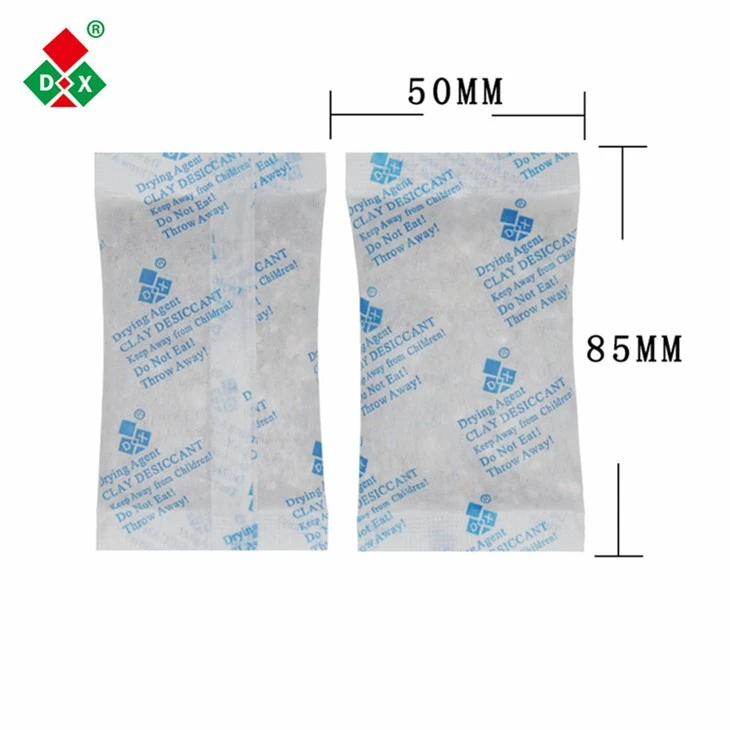
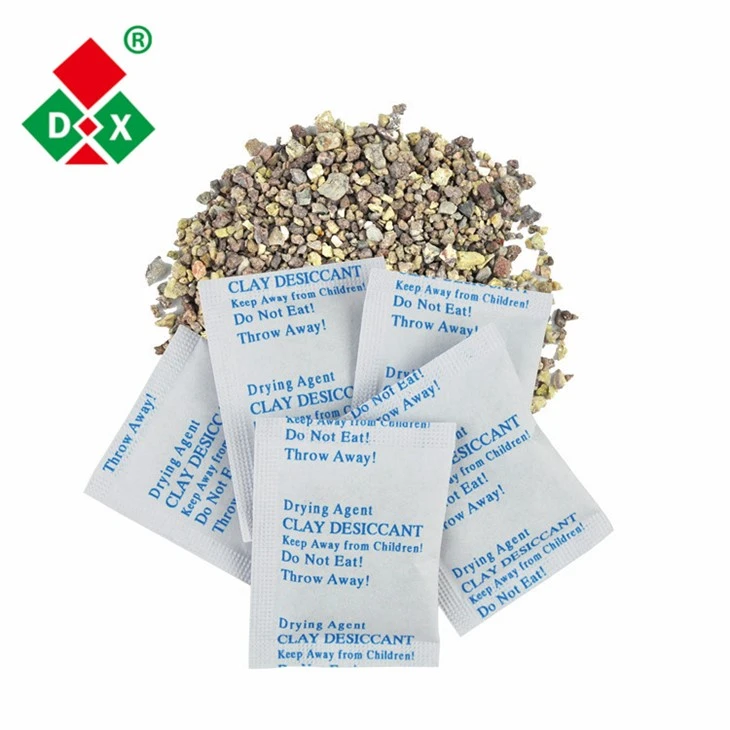
Before we discuss the installation, let's briefly understand what Clay Pack Desiccant Bags are. Clay desiccants are made from natural clay minerals, such as montmorillonite or bentonite. They are known for their excellent moisture - absorbing properties and are widely used in packaging to protect products from damage caused by humidity.
There are different types of clay desiccants available on the market, including Clay Desiccants Packets, Montmorillonite Clay Desiccant, and Bentonite Activated Clay Desiccant. Each type has its unique characteristics and is suitable for different applications.
The Simplicity of Installation
One of the key advantages of Clay Pack Desiccant Bags is their ease of installation. Unlike some complex moisture - control systems that require professional installation and technical expertise, Clay Pack Desiccant Bags can be installed by anyone with basic knowledge of packaging processes.
1. No Special Tools Required
The installation of Clay Pack Desiccant Bags does not demand any special tools. All you need is the desiccant bags themselves and the product packaging. This simplicity reduces the installation time and cost significantly. For example, in a small - scale packaging operation, workers can easily place the desiccant bags inside the packages without the need for additional equipment or training.
2. Flexible Placement
Clay Pack Desiccant Bags can be placed in various positions within the packaging. They can be laid flat at the bottom of a box, attached to the inner side of a container, or placed alongside the product. This flexibility allows for customized installation based on the shape and size of the product and the packaging. For instance, in the packaging of electronic devices, desiccant bags can be placed near sensitive components to ensure maximum moisture protection.
3. Quick and Effortless Process
The actual process of installing Clay Pack Desiccant Bags is quick and effortless. You simply open the package containing the desiccant bags, take out the required number of bags, and place them in the appropriate location within the product packaging. This can be done in a matter of seconds, making it highly efficient for high - volume packaging operations.
Installation in Different Industries
Let's take a look at how Clay Pack Desiccant Bags are installed in different industries:
1. Food Industry
In the food industry, Clay Pack Desiccant Bags are used to prevent moisture - related spoilage. They are typically placed inside food packages, such as cereal boxes, snack bags, or dried fruit containers. The installation is straightforward: workers can place the desiccant bags at the bottom of the package or alongside the food product during the packaging process. This helps to maintain the freshness and quality of the food by absorbing excess moisture.
2. Pharmaceutical Industry
The pharmaceutical industry requires strict control of moisture to ensure the stability and efficacy of drugs. Clay Pack Desiccant Bags are often used in pharmaceutical packaging, such as pill bottles or blister packs. They can be placed inside the bottle or attached to the inner lid of the blister pack. The ease of installation allows for quick and efficient packaging, while also meeting the industry's high - standards for moisture control.
3. Electronics Industry
Electronics are highly sensitive to moisture, which can cause corrosion and malfunction. Clay Pack Desiccant Bags are commonly used in the packaging of electronic devices, such as smartphones, laptops, and circuit boards. They can be placed in the device's packaging box, near the electronic components, or in a separate compartment within the package. The flexible installation options ensure that the desiccant bags can be placed in the most effective locations to protect the electronics from moisture damage.
Factors Affecting Installation
While the installation of Clay Pack Desiccant Bags is generally easy, there are a few factors that can affect the process:
1. Package Design
The design of the product packaging can influence the installation of desiccant bags. For example, if the package has a complex shape or limited space, it may be more challenging to place the desiccant bags in the optimal positions. In such cases, it may be necessary to adjust the placement or use smaller desiccant bags.
2. Product Sensitivity
The sensitivity of the product to moisture can also affect the installation. For highly sensitive products, it may be necessary to use a larger number of desiccant bags or place them in specific locations to ensure adequate moisture protection. Additionally, some products may require desiccant bags with specific moisture - absorption capacities.
3. Environmental Conditions
The environmental conditions in which the product is stored and transported can impact the installation. For example, if the environment has high humidity levels, it may be necessary to use more desiccant bags or replace them more frequently. Understanding the environmental conditions is crucial for determining the appropriate installation and usage of Clay Pack Desiccant Bags.
Conclusion
In conclusion, Clay Pack Desiccant Bags are indeed easy to install. Their simplicity, flexibility, and quick installation process make them an ideal choice for a wide range of industries. Whether you are in the food, pharmaceutical, or electronics industry, Clay Pack Desiccant Bags can provide effective moisture control with minimal effort.
If you are looking for a reliable solution to protect your products from moisture damage, I encourage you to consider our Clay Pack Desiccant Bags. We offer a variety of types and sizes to meet your specific needs. Contact us to discuss your requirements and explore how our desiccant bags can benefit your business.
References
- "Desiccant Handbook" - A comprehensive guide on desiccants, including clay desiccants and their applications.
- Industry reports on moisture control in different sectors, such as food, pharmaceuticals, and electronics.


